Non-surgical procedure
Chin filler in Australia.
💰 Chin filler cost guide 2026 →
Chin filler is hyaluronic-acid (HA) injection into the chin to improve projection, balance facial proportions, soften a 'witch's chin' (mentum), or correct asymmetry. It is one of the most-requested injectable treatments because of its outsized impact on overall facial balance for a relatively small volume. As a Schedule 4 prescription product, chin filler must be prescribed by an AHPRA-registered medical practitioner.
Editorial guide
What is chin filler?
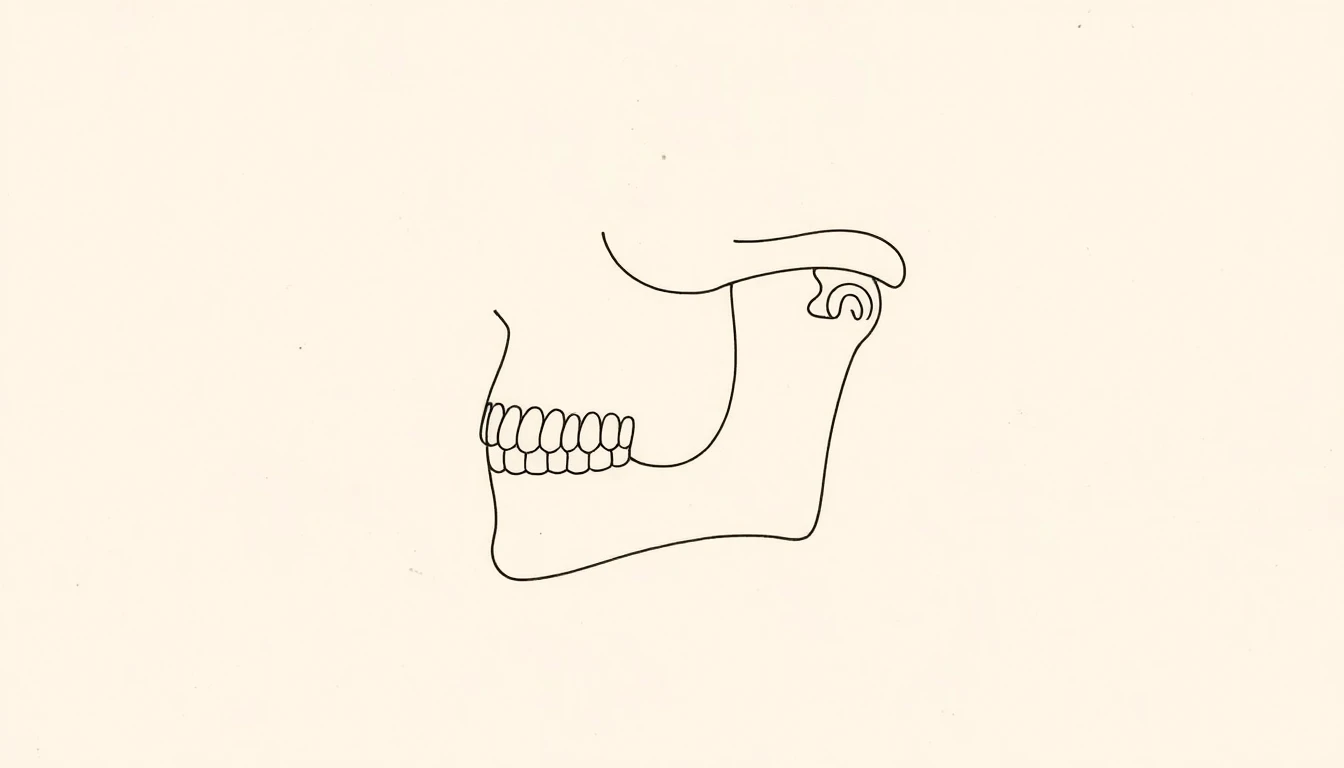
Chin filler is one of the most-requested treatments in cosmetic medicine because of its significant impact on overall facial proportions for a relatively small volume of product. It addresses a recessed chin (microgenia), soft chin–neck transition, asymmetry, and 'witch's chin' (an over-developed mentum). It is often combined with jawline filler for a 'jaw-sculpting' or 'jaw-fox' result.
How chin filler works
After a medical consultation, topical anaesthetic is applied. The chin is cleaned and treatment points marked. Stiff HA filler is placed at the periosteum of the chin (deep) for projection, and at the mid-dermis (more superficial) for minor shape refinement. Treatment time: 15–30 minutes.
Who is chin filler for?
Adults seeking improved chin projection, jawline-balance correction, or asymmetry treatment. Pregnant or breastfeeding patients should defer. Patients with active skin infection or recent dental work in the area are not candidates. AHPRA's 2024 guidelines exclude cosmetic injectables in patients under 18.
What drives the cost
Single-syringe chin enhancement: $600–$900. Two-syringe substantial enhancement: $1,000–$1,500. Combined chin + jawline: $1,500–$3,000.
Recovery and downtime
Mild swelling and bruising 1–7 days. Avoid strenuous exercise, alcohol and very hot environments for 24 hours. Avoid massaging the area for 2 weeks.
Choosing a practitioner
AHPRA-registered medical practitioner or registered nurse with facial-anatomy training. Ask about hyaluronidase availability and the brand of filler used.
Before you book
- Confirm AHPRA registration and hyaluronidase availability
- Disclose recent dental work
- Avoid blood-thinning agents 24–48 hours pre-treatment
- Discuss filler vs implant trade-off if seeking dramatic projection
- See the syringe and brand before injection
Red flags
- Beauty-salon settings without medical oversight
- Pricing dramatically below market
- No discussion of expected projection or volume needed
- Practitioners unwilling to discuss surgical-implant alternative
- Marketing of 'permanent' fillers for chin enhancement
What chin filler costs in Australia
Itemised view of where the $600 – $1,500 typically goes. Quoted prices vary by surgeon experience, hospital, and case complexity — these shares are indicative.
| Component | Typical share | Indicative range |
|---|---|---|
| Practitioner fee | 60% | $350 – $900 |
| Product cost | 30% | $200 – $450 |
| Consultation and follow-up | 8% | $50 – $100 |
| Clinic operating cost | 2% | $0 – $50 |
| Total | 100% | $600 – $1,500 |
Source: editorial estimates based on Australian Medical Association advisory notes and publicly disclosed clinic schedules. Actual quotes will vary; ask your surgeon for an itemised written quote before paying any deposit.
Chin filler recovery timeline
A typical recovery curve. Individual recovery varies — confirm specific milestones with your surgeon's post-operative plan.
-
Day 0
Procedure day.
Work OK No exercise -
Day 0
Early recovery.
Work OK No exercise -
Day 1
Halfway point.
Desk work OK Light only -
Day 1
End of standard recovery window.
Work OK Light only -
Day 2
Final result and return to all activities.
Work OK Normal
Risk profile for chin filler
How the most-discussed risks for chin filler sit on a frequency-by-severity grid. All cosmetic procedures carry risk; the goal of this view is to help you ask better consent questions, not to dismiss any single complication as unlikely.
| Frequency \\ Severity | Mild | Moderate | Serious |
|---|---|---|---|
| Common |
| — | — |
| Uncommon | — |
| — |
| Rare | — | — |
|
Frequency and severity classifications are editorial summaries based on Australian Society of Plastic Surgeons consent literature and TGA / AHPRA guidance. Your surgeon should explain each risk individually as part of the formal informed-consent process — this matrix is a starting point for the conversation, not a substitute.
FAQ
Common questions
Filler vs chin implant?
Chin filler is reversible (dissolvable with hyaluronidase), reasonably affordable, and achievable in 30 minutes. Chin implants are surgical, permanent, and typically produce more dramatic projection. Most patients start with filler to assess the desired shape, and consider an implant only if they want a permanent and more substantial result.
How much filler does a chin treatment use?
Most chin treatments use 1–2 mL of stiff HA filler. Patients seeking significant projection (especially men) may need more, often built up over multiple sessions. Single-syringe subtle enhancement is also common.
How long does chin filler last?
Chin filler typically lasts 12–18 months. The chin is a relatively low-mobility area so filler persists longer than in the lips. Stiffer HA products are usually preferred for the chin to provide structural support.
What does chin filler do for jawline definition?
Strategic chin filler can dramatically improve overall jawline definition by extending the projection point and creating a sharper transition between jaw and neck. Combined chin + jawline filler is one of the most impactful single appointments in cosmetic medicine.
Who should inject chin filler?
AHPRA-registered medical practitioners or registered nurses with facial-anatomy training. The chin has important vascular structures (mental artery) and requires appropriate technique. Confirm hyaluronidase availability on-site.