Non-surgical procedure
Skin needling in Australia.
💰 Skin needling cost guide 2026 →
Also known as: microneedling
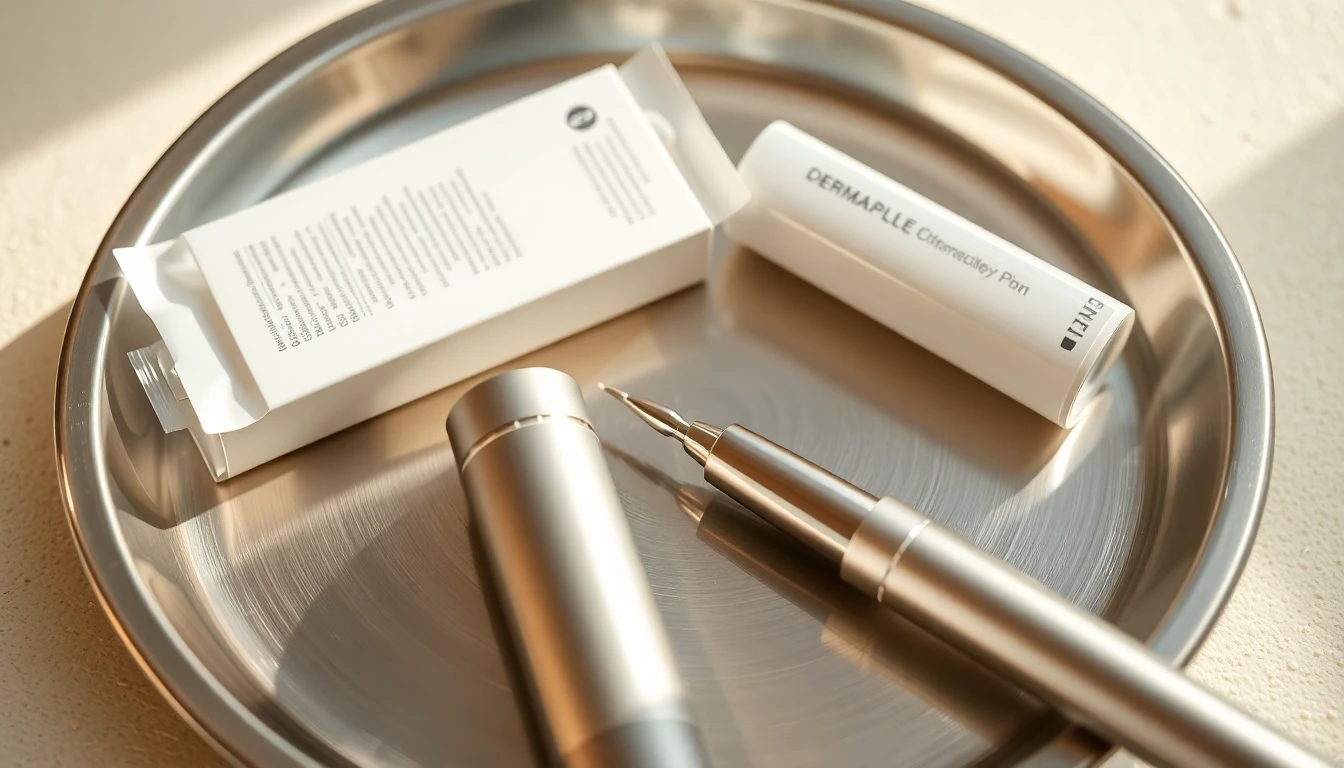
Skin needling (microneedling) creates controlled micro-injuries in the skin using fine needles, triggering wound-healing pathways and stimulating collagen production. It is used for fine lines, scarring (especially atrophic acne scars), pigmentation, enlarged pores, and overall skin texture. Devices range from manual rollers to motorised pen devices. The device must be TGA-registered.
Editorial guide
What is skin needling?
Skin needling triggers a controlled wound-healing response in the dermis, stimulating fibroblast activity and collagen production. The depth and density of needle penetration determines the result — shallow superficial work for fine textural improvement, deeper denser work for scarring and pigmentation. The procedure can be combined with topical growth factors, PRP, or mesotherapy serums.
How skin needling works
Topical anaesthetic is applied for 20–30 minutes. The device is calibrated to the chosen depth (0.5–2.5mm depending on indication). The handpiece is moved across the skin in multiple directions, creating thousands of microchannels. Topical product is applied throughout the treatment to penetrate via the channels. Treatment time: 30–60 minutes.
Who is skin needling for?
Patients with fine lines, atrophic acne scars, pigmentation, enlarged pores, stretch marks, or general textural concerns. Pregnant patients should defer. Patients with active acne, eczema or skin infection in the area should treat the underlying condition first. Patients on isotretinoin should typically wait 6 months.
What drives the cost
Single session: $200–$500. Course of 3–6: $600–$2,000. Combined with PRP (vampire facial): $700–$1,500 per session.
Recovery and downtime
Mild redness and pinpoint bleeding 24–72 hours. Some swelling and tightness. Most patients return to normal activities the next day with mineral makeup. Avoid active skincare ingredients for 5–7 days. Avoid sun and use SPF 50+ daily.
Choosing a practitioner
Trained dermal therapist, registered nurse, or doctor. Confirm operator training, single-use sterile needle cartridges, and device TGA registration. Ask about the depth used and combination protocols.
Before you book
- Confirm operator training and AHPRA registration where applicable
- Confirm single-use sterile needle cartridges
- Disclose isotretinoin use, herpes history, and pregnancy status
- Plan a course of 3–6 sessions, not a single visit
- Avoid sun for 4 weeks pre-treatment if possible
Red flags
- Re-used needle cartridges (infection risk)
- Beauty-salon settings without identifiable medical oversight
- Use of non-TGA-registered devices
- Single-session 'miracle' marketing
- Aggressive combination treatments at first appointment
What skin needling (microneedling) costs in Australia
Itemised view of where the $200 – $700 typically goes. Quoted prices vary by surgeon experience, hospital, and case complexity — these shares are indicative.
| Component | Typical share | Indicative range |
|---|---|---|
| Practitioner fee | 60% | $100 – $400 |
| Product cost | 30% | $50 – $200 |
| Consultation and follow-up | 8% | $0 – $50 |
| Clinic operating cost | 2% | $0 |
| Total | 100% | $200 – $700 |
Source: editorial estimates based on Australian Medical Association advisory notes and publicly disclosed clinic schedules. Actual quotes will vary; ask your surgeon for an itemised written quote before paying any deposit.
Skin needling (microneedling) recovery timeline
A typical recovery curve. Individual recovery varies — confirm specific milestones with your surgeon's post-operative plan.
-
Day 0
Procedure day.
Work OK No exercise -
Day 1
Early recovery.
Work OK No exercise -
Day 1
Halfway point.
Desk work OK Light only -
Day 2
End of standard recovery window.
Work OK Light only -
Day 4
Final result and return to all activities.
Work OK Normal
Risk profile for skin needling (microneedling)
How the most-discussed risks for skin needling (microneedling) sit on a frequency-by-severity grid. All cosmetic procedures carry risk; the goal of this view is to help you ask better consent questions, not to dismiss any single complication as unlikely.
| Frequency \\ Severity | Mild | Moderate | Serious |
|---|---|---|---|
| Common |
| — | — |
| Uncommon | — |
| — |
| Rare | — | — |
|
Frequency and severity classifications are editorial summaries based on Australian Society of Plastic Surgeons consent literature and TGA / AHPRA guidance. Your surgeon should explain each risk individually as part of the formal informed-consent process — this matrix is a starting point for the conversation, not a substitute.
FAQ
Common questions
Skin needling vs RF microneedling?
Skin needling uses fine needles only, creating mechanical microchannels and minor controlled injury. RF microneedling adds radiofrequency energy through the needle tips, delivering thermal injury at the dermal level for deeper collagen stimulation. RF microneedling is generally more effective for skin laxity and deeper concerns; basic skin needling is more affordable and suits fine lines and surface concerns.
Can I do this at home with a roller?
Home rollers (typically 0.25–0.5mm) are different from in-clinic skin needling (typically 1.0–2.5mm). Home rollers create only superficial channels for product penetration with minimal collagen induction; clinical needling produces actual dermal stimulation. Home use of longer-needle devices is associated with infection risk.
How many sessions?
Most patients are advised 3–6 sessions a month apart. Acne-scar treatment benefits from longer courses (6–10) often combined with other modalities (TCA-CROSS, subcision). Maintenance treatments yearly.
Can it be combined with other treatments?
Yes — skin needling is often combined with PRP ("vampire facial"), topical growth factors, mesotherapy serums, or even dilute filler in advanced protocols. Combinations can produce better results than needling alone but increase cost.
Who should perform it?
Trained dermal therapists, registered nurses, or doctors. Confirm operator training and the device's TGA registration. Sterile single-use needle cartridges are essential — confirm before treatment.