Non-surgical procedure
Laser hair removal in Australia.
💰 Laser hair removal cost guide 2026 →
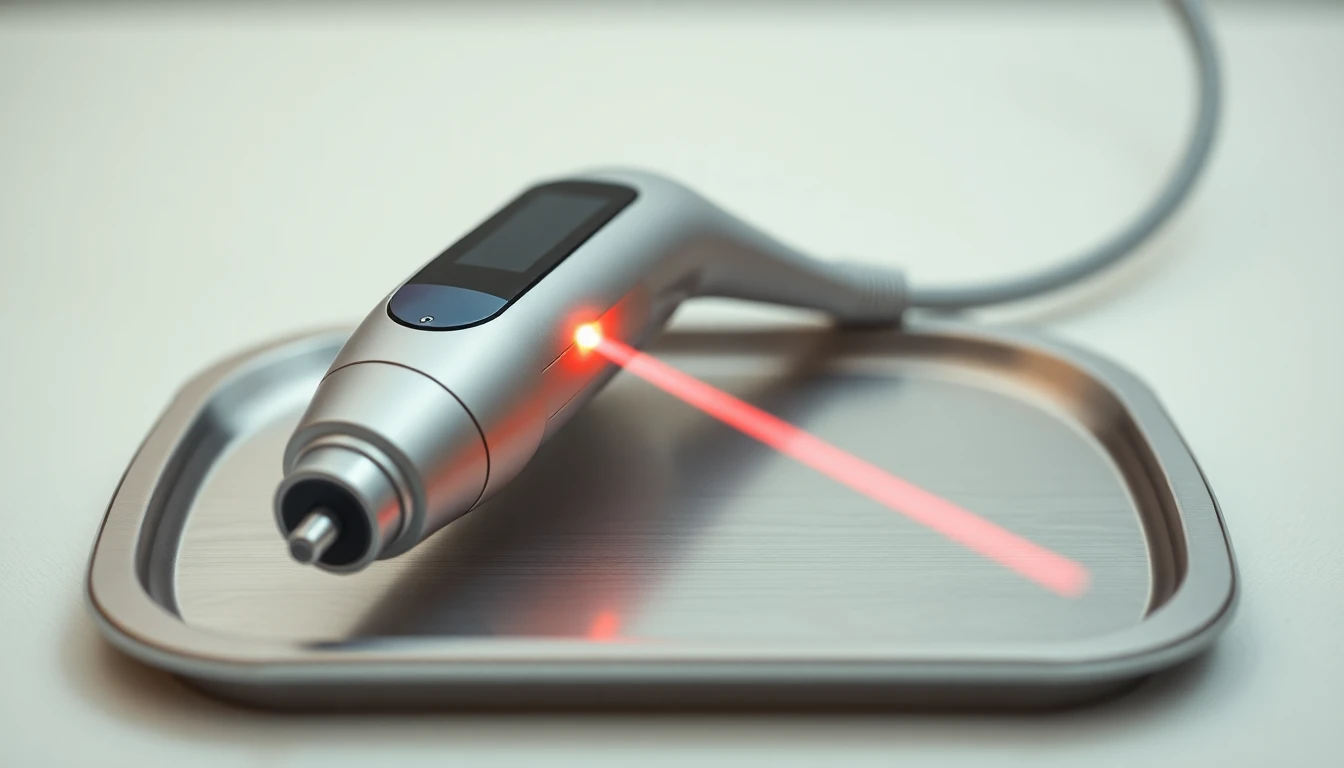
Laser hair removal uses light energy to target melanin in hair follicles, damaging them so future hair growth is slower, finer or eliminated entirely. Modern devices include diode (LightSheer, Vectus), Nd:YAG (preferred for darker skin), and alexandrite (faster on lighter skin). The device must be TGA-registered. State-level regulations vary — some Australian states require a permit to operate Class 4 lasers.
Editorial guide
What is laser hair removal?
Laser hair removal targets melanin in the hair follicle with light energy, damaging the follicle and reducing future hair growth. It works best on dark hair against lighter skin (the contrast between hair melanin and skin melanin determines how selectively the laser targets the hair). Light, white, grey or red hair lacks sufficient melanin to be effectively targeted by current laser technology.
How laser hair removal works
The treatment area is shaved (not waxed — the hair shaft is needed to conduct heat to the follicle). A test patch may be performed first, especially in darker skin types. Eye protection is provided. The device is calibrated for the skin type and hair type, and the head is moved across the area. Treatment time varies from 10 minutes (face) to 60 minutes (full legs). Mild redness is common immediately afterwards.
Who is laser hair removal for?
Patients with unwanted dark hair, no active skin infection in the area, no recent tan, and realistic expectations. Pregnant patients are typically deferred. Patients with hormonal hair growth (PCOS, idiopathic hirsutism) need underlying-cause assessment alongside laser. Recent isotretinoin use is a relative contraindication for at least 6 months.
What drives the cost
Single-session pricing varies enormously by area: face/lip/chin $100–$200; underarms $150–$200; bikini $200–$300; full legs $400–$500. Most clinics offer course pricing (6–10 sessions) at 20–40% discount. Total cost for a full-leg course typically $2,500–$3,500.
Recovery and downtime
Erythema and mild swelling around hair follicles for hours. Treated hairs typically shed over 1–3 weeks (this is normal, not failure). Avoid sun exposure and use SPF 50+ for 2 weeks. Avoid hot showers, saunas and exercise for 24 hours. Don't wax or pluck between sessions — only shave.
Choosing a practitioner
Confirm the device's TGA registration and the operator's training. For darker skin types (IV–VI), insist on a Nd:YAG-capable device and an operator experienced with darker skin. Medical-supervised clinics or those operating under state laser permits are preferred. Ask about test patches if you have a complex skin type.
Before you book
- Confirm device is TGA-registered and matched to your skin/hair type
- Confirm operator training and any required state permit
- Don't tan in the 4 weeks before your session
- Shave the area 24 hours before
- Don't wax or pluck between sessions
- Plan a course of 6–10 sessions, not a single session
Red flags
- IPL marketed as 'laser' for darker skin types
- Operators using a single device for all skin types
- Beauty-salon settings without identifiable medical or laser-trained oversight
- Pricing dramatically below market (often reflects under-energy treatment)
- No discussion of expected result or session count
What laser hair removal costs in Australia
Itemised view of where the $100 – $500 typically goes. Quoted prices vary by surgeon experience, hospital, and case complexity — these shares are indicative.
| Component | Typical share | Indicative range |
|---|---|---|
| Practitioner fee | 60% | $50 – $300 |
| Product cost | 30% | $50 – $150 |
| Consultation and follow-up | 8% | $0 – $50 |
| Clinic operating cost | 2% | $0 |
| Total | 100% | $100 – $500 |
Source: editorial estimates based on Australian Medical Association advisory notes and publicly disclosed clinic schedules. Actual quotes will vary; ask your surgeon for an itemised written quote before paying any deposit.
Laser hair removal recovery timeline
A typical recovery curve. Individual recovery varies — confirm specific milestones with your surgeon's post-operative plan.
-
Day 0
Procedure day.
Work OK No exercise -
Day 0
Early recovery.
Work OK No exercise -
Day 1
Halfway point.
Desk work OK Light only -
Day 1
End of standard recovery window.
Work OK Light only -
Day 2
Final result and return to all activities.
Work OK Normal
Risk profile for laser hair removal
How the most-discussed risks for laser hair removal sit on a frequency-by-severity grid. All cosmetic procedures carry risk; the goal of this view is to help you ask better consent questions, not to dismiss any single complication as unlikely.
| Frequency \\ Severity | Mild | Moderate | Serious |
|---|---|---|---|
| Common | — | — | — |
| Uncommon | — |
| — |
| Rare | — | — | — |
Frequency and severity classifications are editorial summaries based on Australian Society of Plastic Surgeons consent literature and TGA / AHPRA guidance. Your surgeon should explain each risk individually as part of the formal informed-consent process — this matrix is a starting point for the conversation, not a substitute.
FAQ
Common questions
How many sessions are needed?
Hair grows in cycles, and laser only effectively targets actively growing hair. Most areas need 6–10 sessions at 4–8 week intervals for substantial reduction, with maintenance sessions yearly. Body areas (legs, back) typically need fewer; facial areas often need more because of hormonal influence on facial hair growth.
Does it work on dark skin?
Yes, with the right device. Nd:YAG lasers (1064nm) are designed for darker skin types because they target deeper tissue and reduce risk of pigment damage. Diode and alexandrite are less suitable for skin types V–VI. Always confirm the operator is using a device appropriate for your skin type.
What about IPL?
IPL (intense pulsed light) is technically not a laser — it emits a broad spectrum of light across multiple wavelengths. It works for hair reduction in lighter skin types but is less effective and slower than true laser, and carries higher pigment-change risk in darker skin. Most reputable Australian clinics now use diode or Nd:YAG laser for hair removal.
Is it permanent?
The terminology in Australia is 'permanent reduction' rather than 'permanent removal'. Most patients see 70–95% reduction after a course, with the remaining hairs being finer and lighter. Annual maintenance is common. Hormonally-driven facial hair (chin, upper lip) is more likely to require ongoing treatment.
Who should perform laser hair removal?
In Australia, laser hair removal is performed by registered laser operators. Some states (Queensland, WA, Tasmania) require a specific laser permit; others have less stringent rules. Always confirm operator training and the device's TGA registration. Medical-supervised clinics provide the safest pathway, especially for darker skin types.