Non-surgical procedure
Morpheus8 in Australia.
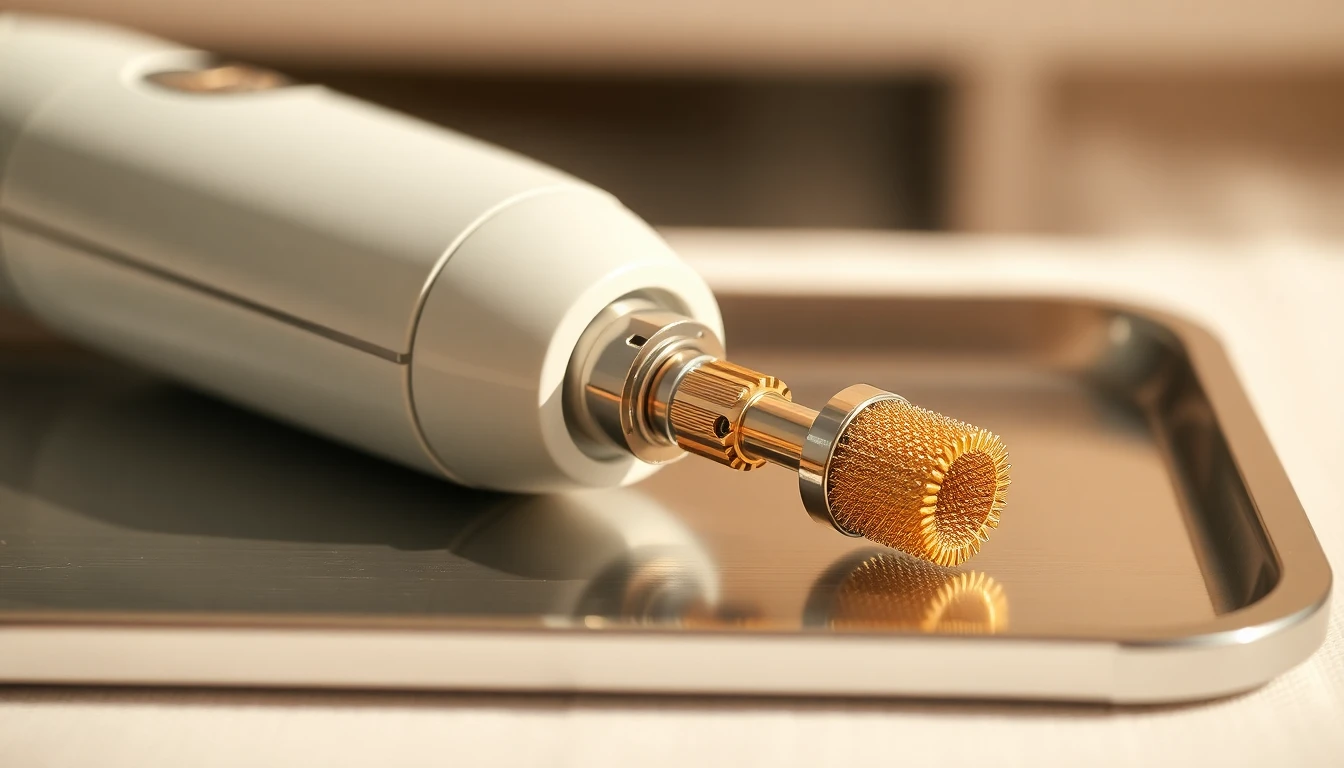
Morpheus8 is a brand of radiofrequency microneedling device marketed heavily in Australia for skin tightening, scar improvement and overall skin rejuvenation. It delivers RF energy through fine needles at controlled depths (1–4mm typically), heating the dermis to stimulate collagen production. The device must be TGA-registered. Outcomes depend more on operator energy settings and pattern strategy than on the brand of device.
Editorial guide
What is morpheus8?
Morpheus8 is a InMode-manufactured RF microneedling platform combining mechanical microneedling with radiofrequency energy delivered through the needles into the dermis. It addresses skin laxity (mild to moderate), scarring, enlarged pores, and overall skin quality. It became one of the most-marketed cosmetic devices in Australia during the early 2020s, but the underlying technology is broadly equivalent to other RF microneedling platforms.
How morpheus8 works
Topical anaesthetic is applied for 20–30 minutes. The handpiece is calibrated to the chosen depth (typically 0.5–4mm depending on area and skin thickness) and energy. Needles are inserted, RF energy is delivered, and the device is moved across the area in a controlled pattern. Treatment time: 30–60 minutes.
Who is morpheus8 for?
Patients with mild-to-moderate skin laxity, scarring, enlarged pores, or general skin-quality concerns. Pregnant or breastfeeding patients should defer. Patients with active skin infection, certain pacemakers, or recent isotretinoin use are not candidates.
What drives the cost
Single face session: $600–$1,200. Course of three: $1,800–$3,000. Body areas: priced higher per session. Quotes should specify the device, depth and energy approach.
Recovery and downtime
Mild redness and pinpoint bleeding 24–72 hours. Some swelling. Most patients return to normal activities the next day with mineral makeup. Avoid active skincare ingredients for a week. Strict SPF 50+.
Choosing a practitioner
Trained operator on a TGA-registered Morpheus8 device. Confirm both. Ask about device brand authenticity (a market for counterfeit InMode handpieces exists). Ask about energy settings and pattern approach — too-conservative protocols produce no result.
Before you book
- Confirm device authenticity and TGA registration
- Confirm operator training and AHPRA registration where applicable
- Disclose isotretinoin and herpes history
- Plan a 3-session course rather than a single visit
- Commit to strict SPF and sensible aftercare
- Discuss skin-type-specific approach if you have skin types IV–VI
Red flags
- Brand-name marketing without practitioner credentials disclosure
- Use of non-genuine or parallel-imported devices
- Promotion of single-session 'miracle' results
- Aggressive marketing as a non-surgical facelift alternative
- Beauty-salon settings without medical oversight
What morpheus8 costs in Australia
Itemised view of where the $600 – $1,500 typically goes. Quoted prices vary by surgeon experience, hospital, and case complexity — these shares are indicative.
| Component | Typical share | Indicative range |
|---|---|---|
| Practitioner fee | 60% | $350 – $900 |
| Product cost | 30% | $200 – $450 |
| Consultation and follow-up | 8% | $50 – $100 |
| Clinic operating cost | 2% | $0 – $50 |
| Total | 100% | $600 – $1,500 |
Source: editorial estimates based on Australian Medical Association advisory notes and publicly disclosed clinic schedules. Actual quotes will vary; ask your surgeon for an itemised written quote before paying any deposit.
Morpheus8 recovery timeline
A typical recovery curve. Individual recovery varies — confirm specific milestones with your surgeon's post-operative plan.
-
Day 0
Procedure day.
Work OK No exercise -
Day 1
Early recovery.
Work OK No exercise -
Day 2
Halfway point.
Desk work OK Light only -
Day 3
End of standard recovery window.
Work OK Light only -
Day 6
Final result and return to all activities.
Work OK Normal
Risk profile for morpheus8
How the most-discussed risks for morpheus8 sit on a frequency-by-severity grid. All cosmetic procedures carry risk; the goal of this view is to help you ask better consent questions, not to dismiss any single complication as unlikely.
| Frequency \\ Severity | Mild | Moderate | Serious |
|---|---|---|---|
| Common |
| — | — |
| Uncommon | — |
| — |
| Rare | — | — | — |
Frequency and severity classifications are editorial summaries based on Australian Society of Plastic Surgeons consent literature and TGA / AHPRA guidance. Your surgeon should explain each risk individually as part of the formal informed-consent process — this matrix is a starting point for the conversation, not a substitute.
FAQ
Common questions
Is Morpheus8 better than other RF microneedling devices?
Morpheus8 is one of several effective RF microneedling platforms — Genius RF, Secret RF, Vivace and others use similar physics. The brand has been heavily marketed in Australia and many practitioners offer it. The clinical outcome depends on energy settings, depth, treatment pattern and operator experience much more than the specific brand. Be cautious of clinics whose entire selling point is the device brand.
How many sessions?
Most patients are advised 3 sessions a month apart. Visible improvement develops over 3–6 months as new collagen forms. Maintenance treatments yearly are common.
Is it safe for darker skin?
Yes — RF energy bypasses the epidermis and is generally safer than ablative laser for skin types IV–VI. Conservative settings and appropriate post-care are still important to prevent post-inflammatory hyperpigmentation.
Morpheus8 vs Morpheus8 Body?
Morpheus8 Body uses a deeper-penetrating tip for treatment of body areas (abdomen, knees, arms) where skin is thicker. The mechanism is the same. Body sessions are typically more expensive than face.
Who should perform Morpheus8?
Trained operator on a TGA-registered device under medical supervision. Confirm both. Be wary of beauty salons offering Morpheus8 without medical oversight, especially with non-genuine devices.