Non-surgical procedure
HIFU in Australia.
Also known as: high-intensity focused ultrasound
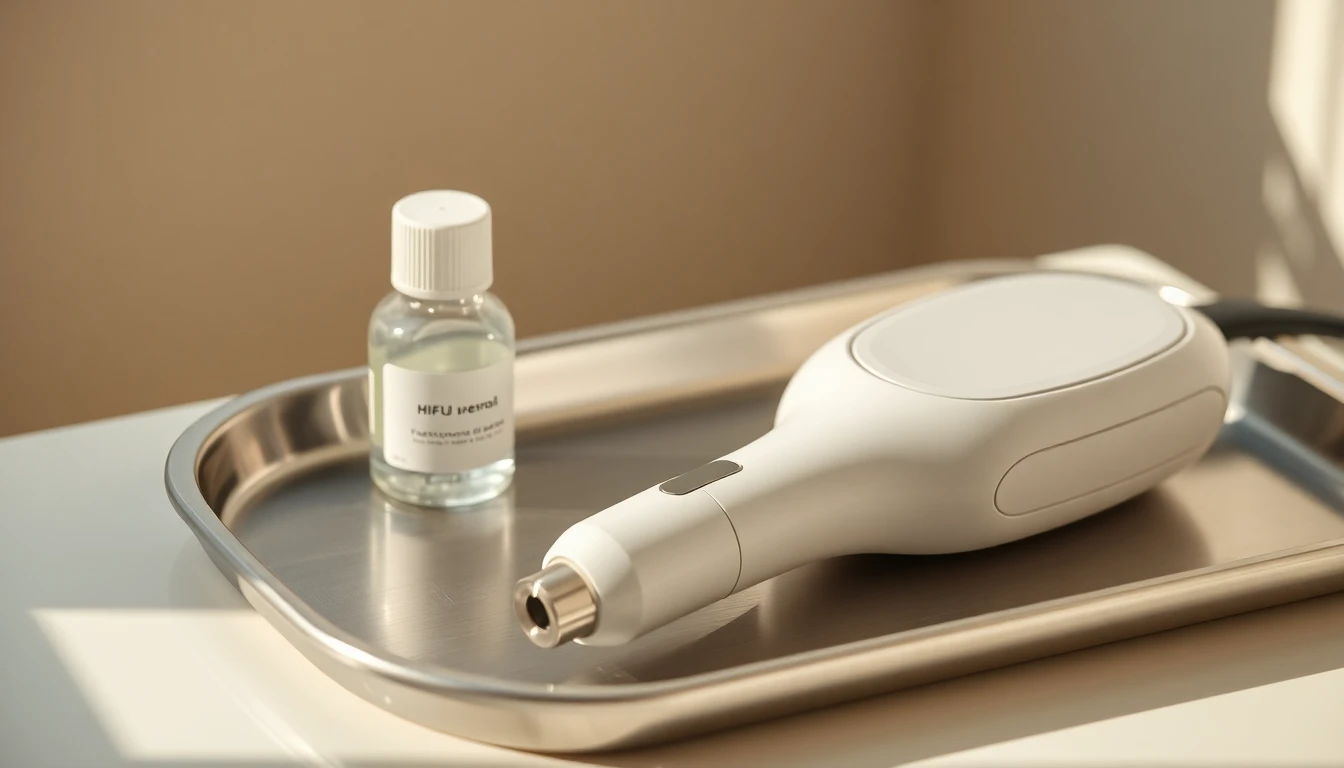
HIFU delivers focused ultrasound energy at controlled depths beneath the skin surface to coagulate tissue and stimulate collagen production. It is marketed as a non-surgical alternative to facelift for early-to-moderate skin laxity. Brands include Ultraformer, Ultherapy and various Korean and Chinese platforms — quality varies considerably. The device must be TGA-registered.
Editorial guide
What is hifu?
HIFU focuses ultrasound energy at controlled depths (typically 1.5mm, 3mm and 4.5mm) to coagulate tissue and stimulate fibroblast activity. The 4.5mm depth targets the SMAS (superficial musculoaponeurotic system) — the same layer addressed in surgical facelift. The 3mm and 1.5mm depths target dermis and superficial fat respectively. The combined effect is mild lifting plus collagen-induced skin-quality improvement.
How hifu works
Topical anaesthetic is applied for 30 minutes. Pre-treatment imaging confirms the target tissue planes. The device is calibrated to the chosen depth, and the transducer is moved across the skin in a controlled pattern with energy pulses delivered at each line. Treatment time: 45–90 minutes per area. Patients feel deep brief heat at each pulse.
Who is hifu for?
Patients with early-to-moderate skin laxity, those wanting maintenance, or those who refuse surgery. Patients with established jowling or significant facial volume loss are usually better served by surgery. Pregnant patients should defer. Patients with implanted electronic devices in the area or active skin infection are not candidates.
What drives the cost
Full face HIFU: $1,500–$3,500. Full face + neck: $2,500–$4,500. Body areas (abdomen, knees, arms): $800–$1,500 per area. Pricing varies with the brand of device and the number of lines delivered.
Recovery and downtime
Mild redness and swelling for 1–7 days. Tenderness in the treated area for 1–2 weeks. Numbness or tingling for several weeks. No real downtime. Avoid hot showers and exercise for 24 hours.
Choosing a practitioner
TGA-registered device, trained operator working under medical supervision. Ask the brand and ask to see the device's TGA listing. Be wary of practices using unbranded or non-TGA-registered HIFU equipment. Ask about the number of lines delivered per session — too few is a common shortcut.
Before you book
- Confirm device TGA registration
- Confirm operator training and medical supervision
- Have realistic expectations — modest lifting, not facelift-equivalent
- Discuss the trade-off between HIFU maintenance and eventual surgery
- Ask about the number of treatment lines included
Red flags
- Marketing HIFU as equivalent to surgical facelift
- Beauty-salon settings without medical supervision
- Use of unbranded or non-TGA-registered HIFU devices
- Discount-heavy pricing with low line counts
- No discussion of expected magnitude or longevity
What hifu (high-intensity focused ultrasound) costs in Australia
Itemised view of where the $1,000 – $4,000 typically goes. Quoted prices vary by surgeon experience, hospital, and case complexity — these shares are indicative.
| Component | Typical share | Indicative range |
|---|---|---|
| Practitioner fee | 60% | $600 – $2,400 |
| Product cost | 30% | $300 – $1,200 |
| Consultation and follow-up | 8% | $100 – $300 |
| Clinic operating cost | 2% | $0 – $100 |
| Total | 100% | $1,000 – $4,000 |
Source: editorial estimates based on Australian Medical Association advisory notes and publicly disclosed clinic schedules. Actual quotes will vary; ask your surgeon for an itemised written quote before paying any deposit.
HIFU (high-intensity focused ultrasound) recovery timeline
A typical recovery curve. Individual recovery varies — confirm specific milestones with your surgeon's post-operative plan.
-
Day 0
Procedure day.
Work OK No exercise -
Day 0
Early recovery.
Work OK No exercise -
Day 1
Halfway point.
Desk work OK Light only -
Day 1
End of standard recovery window.
Work OK Light only -
Day 2
Final result and return to all activities.
Work OK Normal
Risk profile for hifu (high-intensity focused ultrasound)
How the most-discussed risks for hifu (high-intensity focused ultrasound) sit on a frequency-by-severity grid. All cosmetic procedures carry risk; the goal of this view is to help you ask better consent questions, not to dismiss any single complication as unlikely.
| Frequency \\ Severity | Mild | Moderate | Serious |
|---|---|---|---|
| Common |
| — | — |
| Uncommon | — |
| — |
| Rare | — | — | — |
Frequency and severity classifications are editorial summaries based on Australian Society of Plastic Surgeons consent literature and TGA / AHPRA guidance. Your surgeon should explain each risk individually as part of the formal informed-consent process — this matrix is a starting point for the conversation, not a substitute.
FAQ
Common questions
Is HIFU a non-surgical facelift?
It is marketed that way but the result is far more modest than surgical facelift. HIFU produces a 5–15% lifting effect in well-suited patients, lasting 6–18 months. Surgical facelift produces a 7–10+ year improvement with substantially greater magnitude. HIFU suits early laxity and maintenance; surgery suits established laxity. Clinics that present HIFU as facelift-equivalent should be approached with caution.
Ultherapy, Ultraformer or other?
Ultherapy was the first FDA-cleared and TGA-registered HIFU device with high-quality clinical data. Ultraformer III is a Korean platform widely used in Australia with similar physics. Newer platforms vary considerably in build quality and energy delivery. The brand matters less than verified TGA registration and the operator's experience with the specific device.
How long do results last?
Most patients see results that develop over 3–6 months and last 12–18 months. Maintenance treatments yearly are common. Patients with significant skin laxity or who already have established jowling typically see less durable improvement.
Does it hurt?
HIFU at therapeutic energy is uncomfortable to painful — patients describe brief deep-tissue heat at each pulse. Topical anaesthetic helps moderately. Devices set to 'comfort' protocols often deliver inadequate energy and produce no result. Effective HIFU should hurt.
Who should perform HIFU?
Trained operator on a TGA-registered device under medical supervision. Confirm both. Be wary of beauty salons offering HIFU without medical oversight, especially with non-TGA-registered devices that have proliferated in the Australian market.