Non-surgical procedure
Profhilo in Australia.
Also known as: hyaluronic-acid bioremodeller
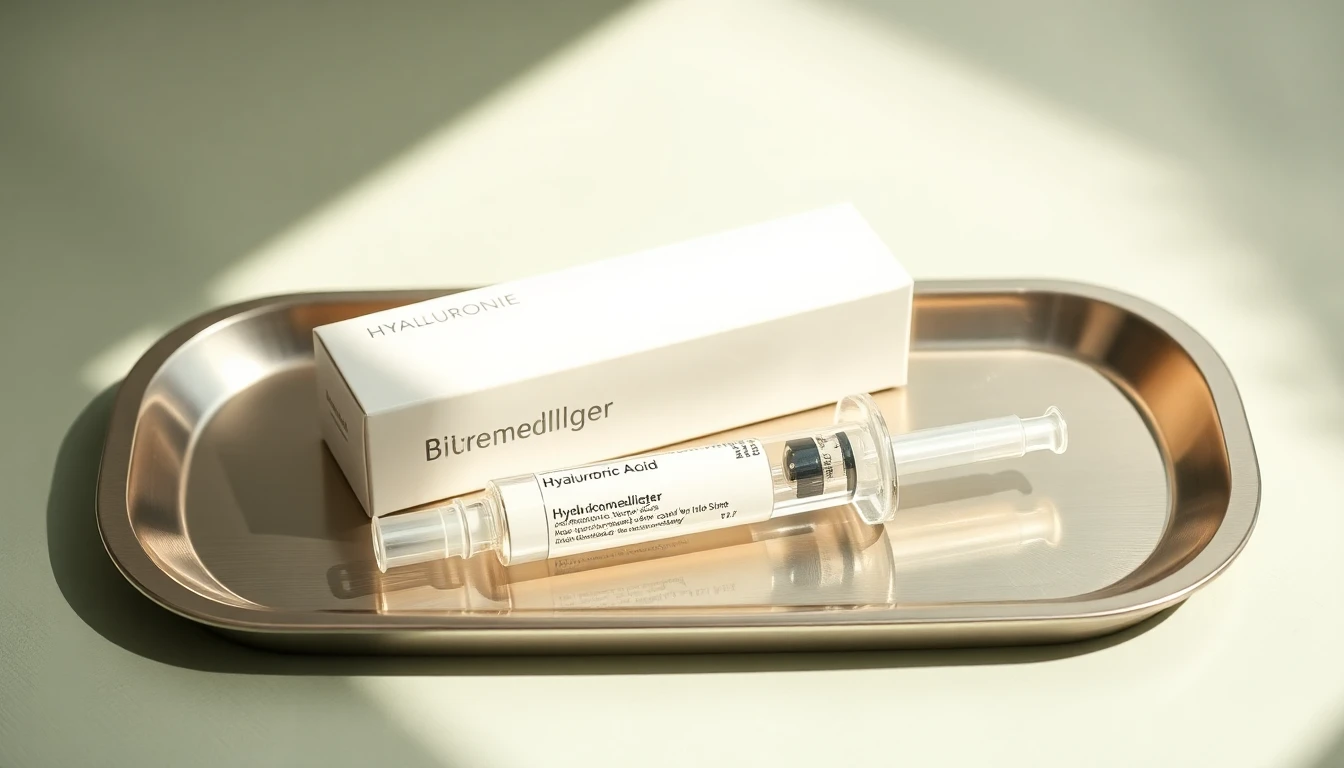
Profhilo is an injectable hyaluronic-acid bioremodeller — a hybrid HA product that combines high- and low-molecular-weight HA without cross-linking. Rather than adding volume, it stimulates fibroblasts and elastin production to improve overall skin quality, tone and hydration. As a Schedule 4 prescription product, Profhilo must be prescribed by an AHPRA-registered medical practitioner.
Editorial guide
What is profhilo?
Profhilo is the original hyaluronic-acid bioremodeller, launched in Europe around 2015 and gradually introduced to Australia. It addresses skin quality — hydration, elasticity, tone — rather than volume or specific contour. Patients describe the effect as 'glassy', 'glowing' or 'pillowy', with improvement in fine lines and overall complexion that develops over 4–6 weeks.
How profhilo works
Injection is performed at five 'bio-aesthetic points' per side of the face (or analogous points on the neck or other body areas). Each injection deposits a small bolus of product that then spreads through the tissue plane via the connective fascia. The deposit appears as a small bump for 24–72 hours and then resolves as the product diffuses. Treatment time: 15–25 minutes.
Who is profhilo for?
Adults with concerns about skin quality, hydration or fine textural ageing. Best suited to patients in their 30s–60s seeking gradual rejuvenation. Pregnant or breastfeeding patients should defer. Patients with active skin infection in the area are not candidates.
What drives the cost
Single Profhilo session: $700–$900 in Australia. Two-session course: $1,400–$1,800. Body areas (Profhilo Body): typically $1,000–$1,500 per session. Maintenance treatments yearly are common.
Recovery and downtime
Visible bumps at BAP injection sites for 24–72 hours. Mild bruising in some patients. No real downtime. Avoid strenuous exercise and alcohol for 24 hours. Effect develops over 4–6 weeks.
Choosing a practitioner
AHPRA-registered medical practitioner or registered nurse with specific bioremodeller training. Confirm the genuine TGA-registered product is being used. Ask about the BAP technique — consistent point placement is important for reliable results.
Before you book
- Confirm AHPRA registration of prescriber and injector
- Confirm genuine Profhilo product (TGA-registered)
- Plan a 2-session course rather than expecting single-session miracles
- Have realistic expectations — skin quality improvement, not volume change
- Avoid blood-thinning agents 24–48 hours pre-treatment
Red flags
- Use of unregistered or parallel-imported product
- Marketing of Profhilo as a filler or volume restorer
- Pricing dramatically below market (counterfeit risk)
- Beauty-salon settings without medical oversight
- Single-session treatment promoted without follow-up
What profhilo (hyaluronic-acid bioremodeller) costs in Australia
Itemised view of where the $700 – $1,200 typically goes. Quoted prices vary by surgeon experience, hospital, and case complexity — these shares are indicative.
| Component | Typical share | Indicative range |
|---|---|---|
| Practitioner fee | 60% | $400 – $700 |
| Product cost | 30% | $200 – $350 |
| Consultation and follow-up | 8% | $50 – $100 |
| Clinic operating cost | 2% | $0 |
| Total | 100% | $700 – $1,200 |
Source: editorial estimates based on Australian Medical Association advisory notes and publicly disclosed clinic schedules. Actual quotes will vary; ask your surgeon for an itemised written quote before paying any deposit.
Profhilo (hyaluronic-acid bioremodeller) recovery timeline
A typical recovery curve. Individual recovery varies — confirm specific milestones with your surgeon's post-operative plan.
-
Day 0
Procedure day.
Work OK No exercise -
Day 0
Early recovery.
Work OK No exercise -
Day 1
Halfway point.
Desk work OK Light only -
Day 1
End of standard recovery window.
Work OK Light only -
Day 2
Final result and return to all activities.
Work OK Normal
Risk profile for profhilo (hyaluronic-acid bioremodeller)
How the most-discussed risks for profhilo (hyaluronic-acid bioremodeller) sit on a frequency-by-severity grid. All cosmetic procedures carry risk; the goal of this view is to help you ask better consent questions, not to dismiss any single complication as unlikely.
| Frequency \\ Severity | Mild | Moderate | Serious |
|---|---|---|---|
| Common |
| — | — |
| Uncommon | — |
| — |
| Rare | — | — | — |
Frequency and severity classifications are editorial summaries based on Australian Society of Plastic Surgeons consent literature and TGA / AHPRA guidance. Your surgeon should explain each risk individually as part of the formal informed-consent process — this matrix is a starting point for the conversation, not a substitute.
FAQ
Common questions
How is Profhilo different from regular HA fillers?
Standard HA fillers are cross-linked gels designed to hold their shape and add volume. Profhilo is non-cross-linked and spreads through tissue to attract water and stimulate cells — improving overall skin quality without adding contour. It is closer to a 'skin booster' than a filler, used for tone, hydration and elasticity rather than shape.
How many sessions are needed?
The standard protocol is 2 sessions a month apart for the initial course, then maintenance every 6 months. Some patients respond well to a single annual treatment.
What areas does Profhilo treat?
Most commonly the lower face, neck and décolletage. Other versions of the product (Profhilo Body) are designed for arms, knees and abdominal skin. The product spreads via the tissue plane, so single small bumps are made at strategic 'bio-aesthetic points' rather than across the whole area.
Who can legally inject Profhilo in Australia?
Profhilo is a Schedule 4 prescription product. It must be prescribed by an AHPRA-registered medical practitioner or nurse practitioner and administered by registered nurses or doctors working within their scope.
Is Profhilo TGA-registered?
Yes — Profhilo is registered with the Therapeutic Goods Administration in Australia. Confirm with your practitioner that the genuine product is being used; a market for counterfeit and parallel-imported product exists, and these unregistered products do not have the same safety guarantees.