Non-surgical procedure
Platelet-rich plasma in Australia.
💰 Platelet-rich plasma cost guide 2026 →
Also known as: PRP
Platelet-rich plasma (PRP) treatment uses the patient's own blood, processed in a centrifuge to concentrate platelets and growth factors, which is then injected into the skin or scalp. It is used for skin rejuvenation, hair-loss treatment, and as an adjunct to other procedures. Australian use of PRP is regulated by the Therapeutic Goods Administration; the device must be TGA-registered and the procedure performed by a trained practitioner.
Editorial guide
What is platelet-rich plasma?
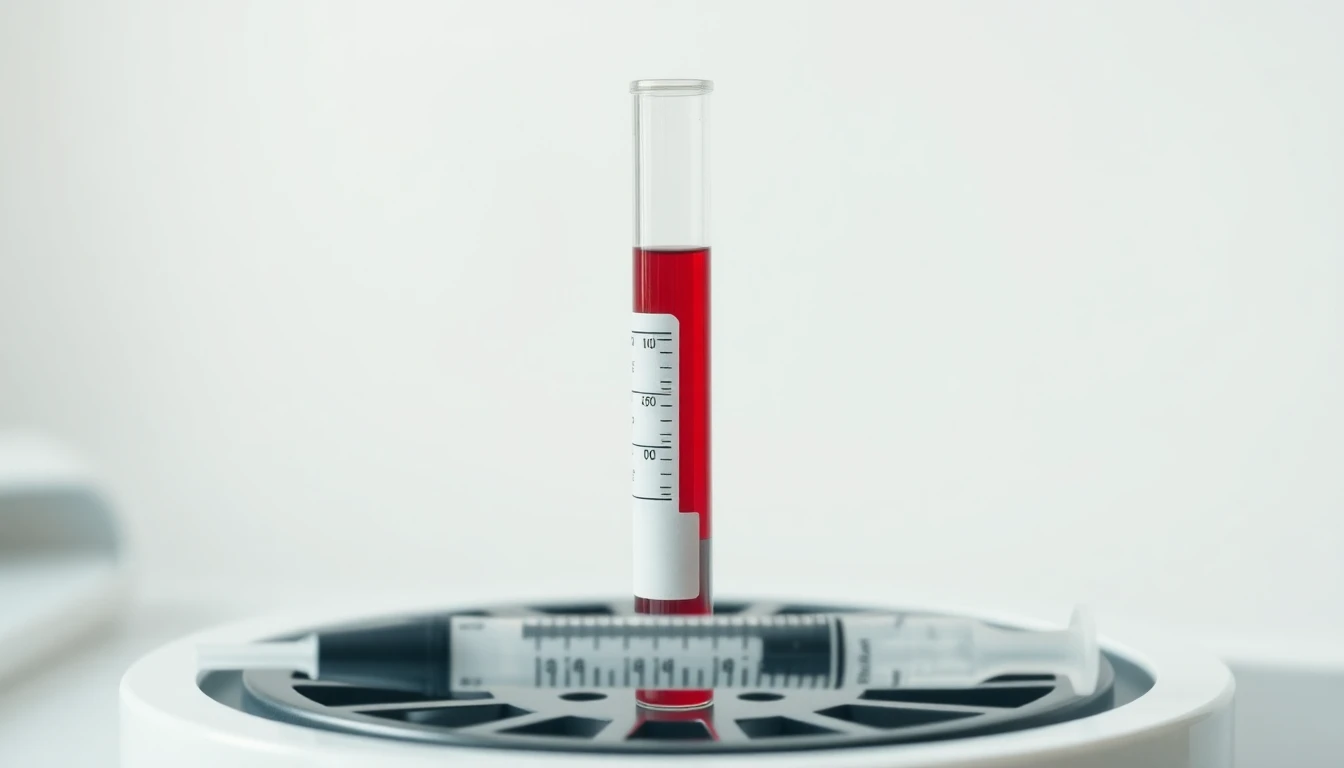
PRP uses a small volume of the patient's own blood (typically 10–30 mL), processed in a centrifuge to separate platelet-rich plasma from red and white cells. The platelets release growth factors when injected, which can stimulate fibroblast activity, collagen production, and (in the scalp) follicular activity. PRP is an autologous treatment — using the patient's own blood — so allergy and major immune reaction are not concerns.
How platelet-rich plasma works
Blood is drawn from the patient's arm into a TGA-registered tube containing anticoagulant. The blood is centrifuged for several minutes to separate components. The platelet-rich plasma layer is drawn off and injected back into the patient — into the dermis for skin rejuvenation, into the scalp for hair loss, or into specific areas for adjunct treatment. Treatment time is typically 30–60 minutes including processing.
Who is platelet-rich plasma for?
Patients with early-to-moderate skin ageing, early-to-moderate androgenetic alopecia, or those seeking adjunct treatment alongside another procedure. Patients with active infections, certain blood disorders, anticoagulant therapy, or active malignancy are typically not candidates. The evidence is moderate, so realistic expectations are important.
What drives the cost
Single PRP session: $500–$1,200 in Australia depending on protocol and practitioner. Course of 3–4 sessions: $1,500–$4,000. Vampire facial (microneedling + topical PRP): $700–$1,500 per session. Quotes should specify session count and any maintenance schedule.
Recovery and downtime
Mild bruising, swelling and tenderness at injection sites for 1–3 days. No real downtime. Avoid strenuous exercise and alcohol for 24 hours. Results develop gradually over 3–6 months for skin and 3–6 months for hair growth.
Choosing a practitioner
AHPRA-registered medical practitioner or registered nurse with PRP training. Confirm the centrifuge tubes and processing system are TGA-registered for cosmetic indication. Ask about the practitioner's experience and typical session count. Be cautious of clinics promising dramatic single-session results — the evidence does not support this.
Before you book
- Confirm AHPRA registration
- Confirm the PRP system is TGA-registered for cosmetic use
- Discuss realistic expectations — PRP is a 'modest improvement' treatment, not a miracle
- Disclose all medications including blood thinners
- Plan for a course of treatments rather than a single session
- Get a written quote covering the full course
Red flags
- Single-session promises of dramatic results
- Use of non-TGA-registered processing systems
- Practitioners offering PRP without medical training
- Combined-product offerings (e.g. PRP + stem cells, which are not legally available for cosmetic use in Australia)
- Pricing that seems too good to be true (often reflects sub-optimal processing)
What platelet-rich plasma (prp) costs in Australia
Itemised view of where the $500 – $1,200 typically goes. Quoted prices vary by surgeon experience, hospital, and case complexity — these shares are indicative.
| Component | Typical share | Indicative range |
|---|---|---|
| Practitioner fee | 60% | $300 – $700 |
| Product cost | 30% | $150 – $350 |
| Consultation and follow-up | 8% | $50 – $100 |
| Clinic operating cost | 2% | $0 |
| Total | 100% | $500 – $1,200 |
Source: editorial estimates based on Australian Medical Association advisory notes and publicly disclosed clinic schedules. Actual quotes will vary; ask your surgeon for an itemised written quote before paying any deposit.
Platelet-rich plasma (PRP) recovery timeline
A typical recovery curve. Individual recovery varies — confirm specific milestones with your surgeon's post-operative plan.
-
Day 0
Procedure day.
Work OK No exercise -
Day 0
Early recovery.
Work OK No exercise -
Day 1
Halfway point.
Desk work OK Light only -
Day 1
End of standard recovery window.
Work OK Light only -
Day 2
Final result and return to all activities.
Work OK Normal
Risk profile for platelet-rich plasma (prp)
How the most-discussed risks for platelet-rich plasma (prp) sit on a frequency-by-severity grid. All cosmetic procedures carry risk; the goal of this view is to help you ask better consent questions, not to dismiss any single complication as unlikely.
| Frequency \\ Severity | Mild | Moderate | Serious |
|---|---|---|---|
| Common |
| — | — |
| Uncommon | — |
| — |
| Rare | — | — |
|
Frequency and severity classifications are editorial summaries based on Australian Society of Plastic Surgeons consent literature and TGA / AHPRA guidance. Your surgeon should explain each risk individually as part of the formal informed-consent process — this matrix is a starting point for the conversation, not a substitute.
FAQ
Common questions
What is PRP actually doing?
PRP concentrates platelets — small cell fragments that release growth factors involved in tissue repair. Injected into the dermis or scalp, the growth factors stimulate fibroblast activity, vascularisation and (for hair) follicular activity. The exact mechanism for cosmetic benefit is still being studied; the response to PRP varies considerably between individuals.
Vampire facial vs PRP-only injection?
A 'vampire facial' combines microneedling (creating microchannels in the skin) with PRP applied topically and massaged in. PRP-only injection delivers product directly into specific dermal targets. The two are different treatments at different price points; results vary.
PRP for hair loss — does it work?
There is growing evidence PRP can slow androgenetic alopecia and modestly improve density when used regularly (typically 3–4 sessions a month apart, then maintenance every 6 months). It works best in early-to-moderate hair loss and is often combined with finasteride and minoxidil. Patients with advanced baldness usually need transplantation.
How many sessions are needed?
Skin rejuvenation: typically 3 sessions a month apart, with results judged at 3–6 months. Hair loss: typically 4 monthly sessions, then 6-monthly maintenance. Single-session PRP is generally less effective.
Who should perform PRP?
PRP requires drawing blood from the patient and injecting back at controlled depths, so should be performed by an AHPRA-registered medical practitioner or appropriately trained registered nurse. The centrifuge and tubes used must be TGA-registered for the indication. Confirm both before booking.