Non-surgical procedure
RF microneedling in Australia.
💰 RF microneedling cost guide 2026 →
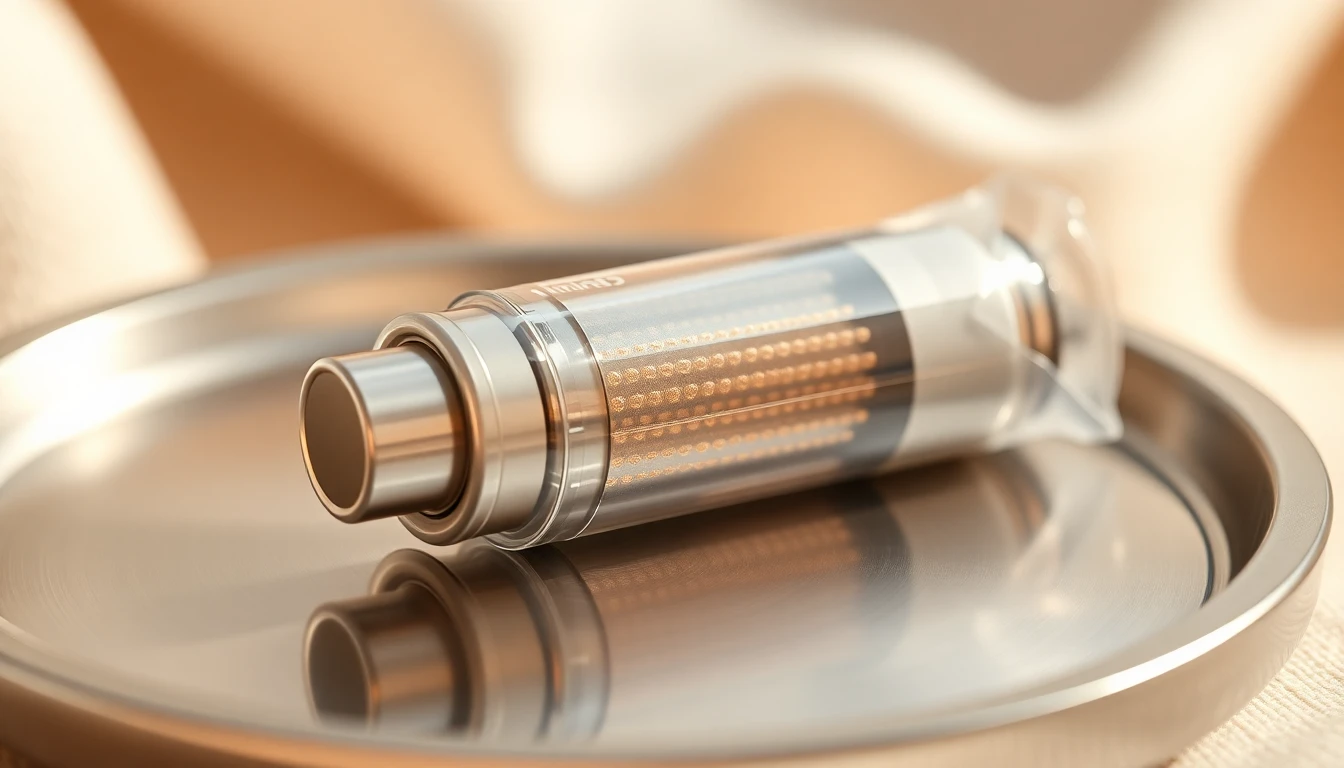
RF microneedling combines microneedling (creating controlled microchannels in the skin) with radiofrequency energy delivered through the needle tips, heating the dermis to stimulate collagen production. Devices include Morpheus8, Genius RF, Secret RF and Vivace. Performed by trained practitioners under appropriate medical supervision. The device must be TGA-registered.
Editorial guide
What is rf microneedling?
RF microneedling delivers radiofrequency energy through fine needles inserted into the dermis, heating tissue at controlled depth to stimulate collagen and elastin production. It bypasses the epidermis (sparing the skin surface) and is therefore safer than ablative laser for darker skin types. The combination of mechanical microneedling and thermal injury produces results that progressive over months as new collagen forms.
How rf microneedling works
Topical anaesthetic is applied for 20–30 minutes. The device is calibrated to the chosen depth (usually 0.5–4mm depending on area and skin thickness) and energy. The needles are inserted, RF energy is delivered, and the device is moved across the treatment area in a controlled pattern. Treatment time: 30–60 minutes. Skin is cooled afterwards.
Who is rf microneedling for?
Patients with mild-to-moderate skin laxity, scarring, enlarged pores, or general skin-quality concerns. Pregnant or breastfeeding patients should defer. Patients on isotretinoin should generally wait 6 months. Patients with active skin infection in the area, certain pacemakers, or untreated melanoma are not candidates. Realistic expectations are essential — RF microneedling is a 'good improvement' treatment, not a facelift alternative.
What drives the cost
Single session: $400–$900. Course of three: $1,200–$2,500. Body areas (e.g., abdomen for stretch marks) priced higher per session. Quotes should specify the device, depth and energy approach.
Recovery and downtime
Mild redness and pinpoint bleeding 24–72 hours. Some swelling. Most patients return to normal activities the next day with mineral makeup. Avoid active skincare ingredients for a week. Avoid sun exposure and use SPF 50+ daily.
Choosing a practitioner
Trained practitioner with operator certification on the specific device, AHPRA registration where applicable, and experience with your skin type. Ask about the device's TGA registration. Ask to see the practitioner's own results from the device they will use.
Before you book
- Confirm the device and its TGA registration
- Confirm operator training and AHPRA registration
- Disclose all medications, especially isotretinoin
- Plan a course of 3 sessions, not a single visit
- Commit to strict SPF and sensible aftercare
- Discuss skin-type-specific approach if you have skin types IV–VI
Red flags
- Brand-name marketing without practitioner credentials disclosure
- Use of non-TGA-registered devices
- Promotion of single-session 'miracle' results
- Aggressive promotion as a non-surgical facelift alternative
- No discussion of skin-type-specific risk
What rf microneedling costs in Australia
Itemised view of where the $400 – $1,500 typically goes. Quoted prices vary by surgeon experience, hospital, and case complexity — these shares are indicative.
| Component | Typical share | Indicative range |
|---|---|---|
| Practitioner fee | 60% | $250 – $900 |
| Product cost | 30% | $100 – $450 |
| Consultation and follow-up | 8% | $50 – $100 |
| Clinic operating cost | 2% | $0 – $50 |
| Total | 100% | $400 – $1,500 |
Source: editorial estimates based on Australian Medical Association advisory notes and publicly disclosed clinic schedules. Actual quotes will vary; ask your surgeon for an itemised written quote before paying any deposit.
RF microneedling recovery timeline
A typical recovery curve. Individual recovery varies — confirm specific milestones with your surgeon's post-operative plan.
-
Day 0
Procedure day.
Work OK No exercise -
Day 1
Early recovery.
Work OK No exercise -
Day 2
Halfway point.
Desk work OK Light only -
Day 3
End of standard recovery window.
Work OK Light only -
Day 6
Final result and return to all activities.
Work OK Normal
Risk profile for rf microneedling
How the most-discussed risks for rf microneedling sit on a frequency-by-severity grid. All cosmetic procedures carry risk; the goal of this view is to help you ask better consent questions, not to dismiss any single complication as unlikely.
| Frequency \\ Severity | Mild | Moderate | Serious |
|---|---|---|---|
| Common |
| — | — |
| Uncommon | — |
| — |
| Rare | — | — |
|
Frequency and severity classifications are editorial summaries based on Australian Society of Plastic Surgeons consent literature and TGA / AHPRA guidance. Your surgeon should explain each risk individually as part of the formal informed-consent process — this matrix is a starting point for the conversation, not a substitute.
FAQ
Common questions
What does RF microneedling actually treat?
Skin laxity (mild to moderate), wrinkles, scarring (acne and surgical), enlarged pores, stretch marks, and overall skin quality. It works at the dermal level rather than just the surface, so it can produce more durable improvement than purely topical treatments. It does not match facelift surgery for established skin laxity, and clinics that imply otherwise should be approached with caution.
Morpheus8 vs other devices?
Morpheus8 has been heavily marketed in Australia and is one of several effective RF microneedling platforms. Genius RF, Secret RF, Vivace and several others use similar physics with different control systems. Outcome depends more on the practitioner's energy settings and pattern strategy than on the brand of the device. Be wary of clinics whose entire selling point is the device brand.
How many sessions?
Most patients are advised 3 sessions a month apart. Visible improvement develops over 3–6 months as new collagen forms. Maintenance treatments yearly are common.
Is it safe for darker skin?
Yes — RF microneedling delivers energy beneath the epidermis and bypasses melanin, making it safer than many laser modalities for skin types IV–VI. However, post-inflammatory hyperpigmentation can still occur, and conservative settings + appropriate post-care are important. Confirm operator experience with darker skin.
Who should perform it?
Registered nurses, doctors, and dermal therapists working under medical supervision can perform RF microneedling. Always confirm AHPRA registration where applicable, the operator's training on the specific device, and the device's TGA registration. The depth and energy chosen are critical and require clinical judgment.