Non-surgical procedure
Sculptra in Australia.
Also known as: poly-L-lactic acid biostimulator
Sculptra is an injectable poly-L-lactic acid (PLLA) biostimulator that gradually stimulates the body's own collagen production over months. Unlike hyaluronic-acid fillers, the result develops over weeks-to-months as collagen is laid down, and lasts substantially longer (typically 18–24 months). As a Schedule 4 prescription product, Sculptra must be prescribed by an AHPRA-registered medical practitioner and administered by registered nurses or doctors working within their scope.
Editorial guide
What is sculptra?
Sculptra is a poly-L-lactic acid biostimulator that has been used in Australia since the early 2000s, originally for HIV-related lipoatrophy and increasingly for cosmetic volume restoration. It works by triggering a controlled inflammatory response that stimulates fibroblast activity and gradual collagen deposition. The product itself is fully resorbed; the resulting collagen provides the volume effect.
How sculptra works
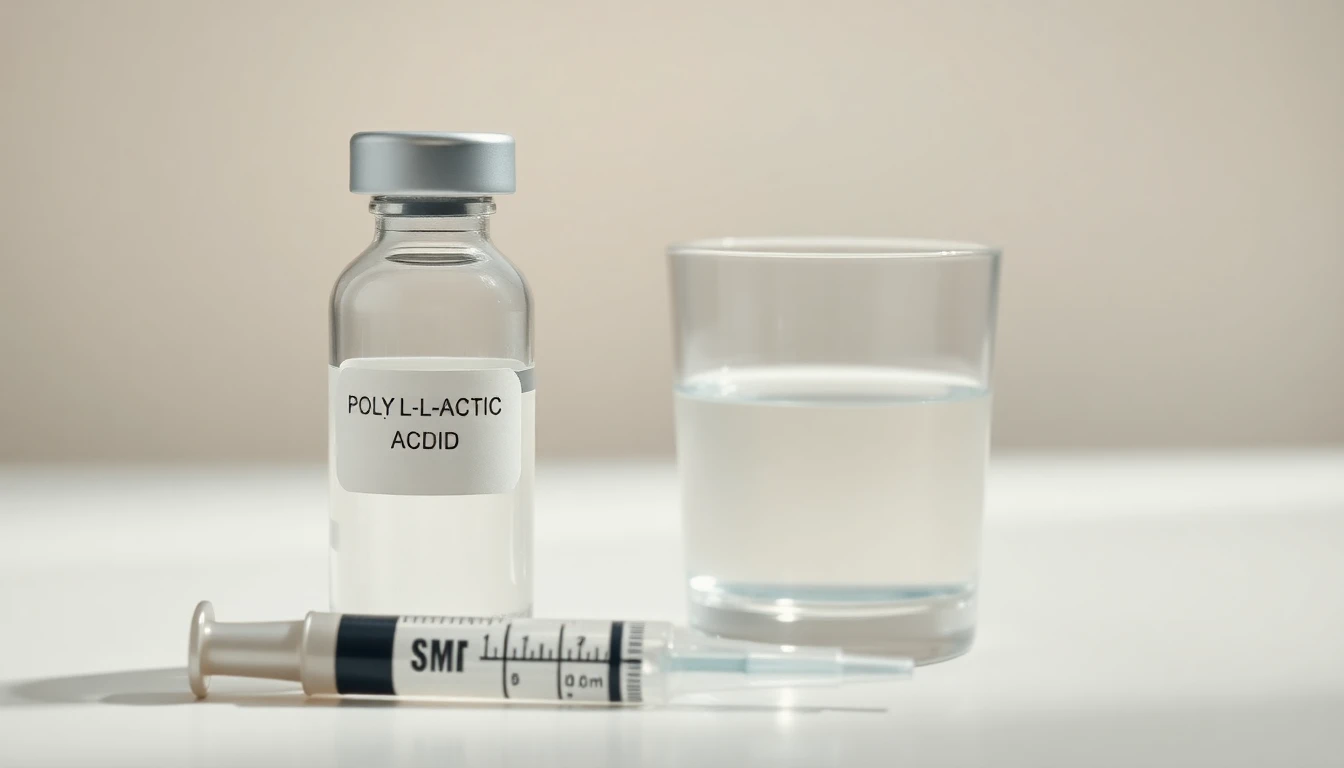
Each Sculptra vial is reconstituted with sterile water 24–72 hours before treatment to allow full hydration of the PLLA microparticles. The product is injected into the deep dermis or subcutaneous plane via fine needle or blunt cannula in a fanning pattern across the treatment area. Immediately after treatment, the patient massages the area for several minutes; this is repeated for 5 days post-treatment. Treatment time: 30–60 minutes.
Who is sculptra for?
Adults with diffuse volume loss across the face, particularly in the cheeks and temples. Best suited to patients in their 40s–60s seeking gradual rejuvenation rather than dramatic immediate change. Pregnant or breastfeeding patients should defer. Patients with autoimmune disease, active skin infection in the area, or a history of granulomatous reactions are typically not candidates.
What drives the cost
Typically $700–$1,200 per vial in Australia. Most patients require 2–4 vials per treatment session and 2–4 sessions for full effect, so total course cost typically $3,000–$8,000. Quotes should specify vial count and session schedule.
Recovery and downtime
Mild swelling and bruising 1–7 days. Strict adherence to the rule-of-5s massage protocol for 5 days. Avoid strenuous exercise and alcohol for 24 hours. Result develops gradually over 2–6 months.
Choosing a practitioner
AHPRA-registered medical practitioner or registered nurse with specific Sculptra training. Ask explicitly about reconstitution protocol (dilution volume, hydration time) and massage instructions — proper technique is the key to avoiding nodules.
Before you book
- Confirm AHPRA registration of prescriber and injector
- Confirm reconstitution protocol and massage instructions
- Disclose autoimmune conditions or granulomatous-disease history
- Plan a course of 2–4 sessions
- Have realistic expectations — gradual development over months, not instant gratification
Red flags
- Practitioners not following standard reconstitution protocol
- Beauty-salon settings without AHPRA-registered medical oversight
- Marketing Sculptra for lips or other inappropriate indications
- Promotion of single-session 'instant' results
- Pricing dramatically below market
What sculptra (poly-l-lactic acid biostimulator) costs in Australia
Itemised view of where the $700 – $1,500 typically goes. Quoted prices vary by surgeon experience, hospital, and case complexity — these shares are indicative.
| Component | Typical share | Indicative range |
|---|---|---|
| Practitioner fee | 60% | $400 – $900 |
| Product cost | 30% | $200 – $450 |
| Consultation and follow-up | 8% | $50 – $100 |
| Clinic operating cost | 2% | $0 – $50 |
| Total | 100% | $700 – $1,500 |
Source: editorial estimates based on Australian Medical Association advisory notes and publicly disclosed clinic schedules. Actual quotes will vary; ask your surgeon for an itemised written quote before paying any deposit.
Sculptra (poly-L-lactic acid biostimulator) recovery timeline
A typical recovery curve. Individual recovery varies — confirm specific milestones with your surgeon's post-operative plan.
-
Day 0
Procedure day.
Work OK No exercise -
Day 0
Early recovery.
Work OK No exercise -
Day 1
Halfway point.
Desk work OK Light only -
Day 1
End of standard recovery window.
Work OK Light only -
Day 2
Final result and return to all activities.
Work OK Normal
Risk profile for sculptra (poly-l-lactic acid biostimulator)
How the most-discussed risks for sculptra (poly-l-lactic acid biostimulator) sit on a frequency-by-severity grid. All cosmetic procedures carry risk; the goal of this view is to help you ask better consent questions, not to dismiss any single complication as unlikely.
| Frequency \\ Severity | Mild | Moderate | Serious |
|---|---|---|---|
| Common |
| — | — |
| Uncommon | — |
| — |
| Rare | — | — | — |
Frequency and severity classifications are editorial summaries based on Australian Society of Plastic Surgeons consent literature and TGA / AHPRA guidance. Your surgeon should explain each risk individually as part of the formal informed-consent process — this matrix is a starting point for the conversation, not a substitute.
FAQ
Common questions
How is Sculptra different from hyaluronic-acid fillers?
HA fillers add immediate volume — the result is visible the day of treatment. Sculptra adds no real volume on the day; it triggers gradual collagen production over 2–6 months, so the result builds slowly. HA fillers last 6–18 months; Sculptra lasts 18–24+ months. They are different tools for different goals — Sculptra suits diffuse volume restoration over a wide area, HA suits precise sculpting in specific zones.
Can it cause lumps?
Yes — Sculptra has a well-documented risk of subcutaneous nodules if it is not properly reconstituted (correct dilution, correct hydration time before injection, typically 24–72 hours) or if patients don't follow the post-treatment massage protocol (the 'rule of 5s': massage 5 minutes, 5 times a day, for 5 days). Reasonable practitioners spend time on these protocols and most lumps are avoidable.
How many sessions are needed?
Most patients need 2–4 sessions spaced 4–6 weeks apart for full effect. The result then plateaus and lasts 18–24+ months before maintenance is needed.
What areas does Sculptra treat?
Best suited to diffuse volume loss across the cheeks, temples, and lower face. Less suited to fine-line-specific work (better with HA filler) or lips (not appropriate for lips at all).
Who can legally inject Sculptra in Australia?
Sculptra is a Schedule 4 prescription product. It must be prescribed by an AHPRA-registered medical practitioner or nurse practitioner after consultation, and administered by registered nurses or doctors working within their scope.