
Non-surgical 5 (28)
Chisholm, Chisholm ACT 2905
Harmony Body Contouring is a non-surgical cosmetic practice located in Chisholm. Details sourced from public listings and pending independent verification.
An independent directory of AHPRA-registered clinics
Non-surgical procedure · ACT
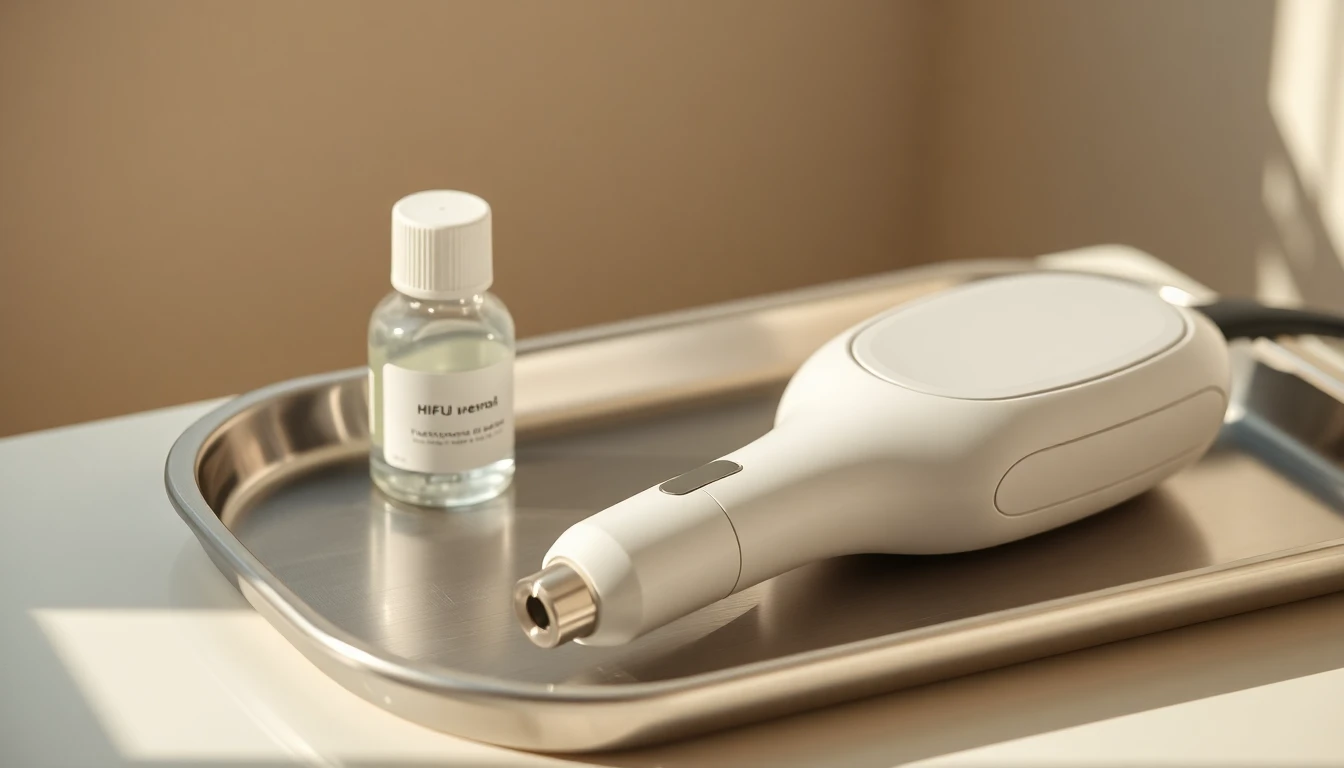
HIFU delivers focused ultrasound energy at controlled depths beneath the skin surface to coagulate tissue and stimulate collagen production. It is marketed as a non-surgical alternative to facelift for early-to-moderate skin laxity. Brands include Ultraformer, Ultherapy and various Korean and Chinese platforms — quality varies considerably. The device must be TGA-registered.
By the numbers — Australian Capital Territory
Numbers reflect this directory's coverage of Australian Capital Territory at build time. Costs are typical Australian ranges; recovery is the median for this procedure type. AHPRA-compliant illustration only — no patient depiction.
Local context
Canberra is the only meaningful cosmetic surgery cluster in the ACT. Practices are concentrated in Deakin, Manuka, Kingston, Garran, Phillip (Woden), Bruce (Belconnen), and the Civic medical precinct. Canberra patients who would otherwise travel to Sydney or Melbourne can usually find comparable surgical quality locally, although the absolute volume of high-volume cosmetic-only practices is smaller than in those capitals. Pricing for surgical work in Canberra is typically comparable to or slightly below Sydney; non-surgical pricing is comparable.
ACT practitioners are bound by the same federal AHPRA cosmetic-advertising rules introduced in July 2023. The Human Rights Commission (Health Services Commissioner) handles ACT-level patient complaints in addition to AHPRA's national process. The ACT broadly mirrors federal AHPRA regulation; there are no territory-specific licensing carve-outs for cosmetic surgery. Procedures performed under sedation or general anaesthesia are conducted in licensed private hospitals or accredited day-surgery centres.
Every clinic offering hifu in Australian Capital Territory
Premium and verified clinics appear first. Each card links through to the clinic's full profile.
Chisholm, Chisholm ACT 2905
Harmony Body Contouring is a non-surgical cosmetic practice located in Chisholm. Details sourced from public listings and pending independent verification.

Gungahlin, Gungahlin ACT 2912
Cryo Curve Body Sculpting Clinic is a non-surgical cosmetic practice located in Gungahlin. Details sourced from public listings and pending independent verification.

Griffith, Griffith ACT 2603
Total Body Contouring is a non-surgical cosmetic practice located in Griffith. Details sourced from public listings and pending independent verification.

Kingston, Kingston ACT 2604
La Forme by Meraki Cosmetic is a non-surgical cosmetic practice located in Kingston. Details sourced from public listings and pending independent verification.

Canberra, Canberra ACT 2601
Elite Body Contouring Canberra is a non-surgical cosmetic practice located in Canberra. Details sourced from public listings and pending independent verification.

Braddon, Braddon ACT 2612
Lite Nurse Clinic is a non-surgical cosmetic practice located in Braddon. Details sourced from public listings and pending independent verification.

O'Connor, O'Connor ACT 2602
Inya Cosmetic Skin Clinic is a non-surgical cosmetic practice located in O'Connor. Details sourced from public listings and pending independent verification.

Bruce, Bruce ACT 2617
The Skyn Lounge - Canberra skin clinic is a non-surgical cosmetic practice located in Bruce. Details sourced from public listings and pending independent verification.

Canberra, Canberra ACT 2601
Skin Wellness Academy is a non-surgical cosmetic practice located in Canberra. Details sourced from public listings and pending independent verification.

Ainslie, Ainslie ACT 2602
Aesthetics Wellness Canberra is a non-surgical cosmetic practice located in Ainslie. Details sourced from public listings and pending independent verification.

Kingston, Kingston ACT 2604
Dr J. Aesthetics - Medical TMJ, Wellness & Skin Clinic is a non-surgical cosmetic practice located in Kingston. Details sourced from public listings and pending independent verification.

Balmain, Balmain NSW 2041
Estetique Cosmetics is a non-surgical cosmetic practice located in Balmain. Details sourced from public listings and pending independent verification.
City pages
For city-specific listings — including which non-surgical venues each practice operates from — use the city pages below.
Itemised view of where the $1,000 – $4,000 typically goes. Quoted prices vary by surgeon experience, hospital, and case complexity — these shares are indicative.
| Component | Typical share | Indicative range |
|---|---|---|
| Practitioner fee | 60% | $600 – $2,400 |
| Product cost | 30% | $300 – $1,200 |
| Consultation and follow-up | 8% | $100 – $300 |
| Clinic operating cost | 2% | $0 – $100 |
| Total | 100% | $1,000 – $4,000 |
Source: editorial estimates based on Australian Medical Association advisory notes and publicly disclosed clinic schedules. Actual quotes will vary; ask your surgeon for an itemised written quote before paying any deposit.
A typical recovery curve. Individual recovery varies — confirm specific milestones with your surgeon's post-operative plan.
Day 0
Procedure day.
Day 0
Early recovery.
Day 1
Halfway point.
Day 1
End of standard recovery window.
Day 2
Final result and return to all activities.
How the most-discussed risks for hifu (high-intensity focused ultrasound) sit on a frequency-by-severity grid. All cosmetic procedures carry risk; the goal of this view is to help you ask better consent questions, not to dismiss any single complication as unlikely.
| Frequency \\ Severity | Mild | Moderate | Serious |
|---|---|---|---|
| Common |
| — | — |
| Uncommon | — |
| — |
| Rare | — | — | — |
Frequency and severity classifications are editorial summaries based on Australian Society of Plastic Surgeons consent literature and TGA / AHPRA guidance. Your surgeon should explain each risk individually as part of the formal informed-consent process — this matrix is a starting point for the conversation, not a substitute.
FAQ
It is marketed that way but the result is far more modest than surgical facelift. HIFU produces a 5–15% lifting effect in well-suited patients, lasting 6–18 months. Surgical facelift produces a 7–10+ year improvement with substantially greater magnitude. HIFU suits early laxity and maintenance; surgery suits established laxity. Clinics that present HIFU as facelift-equivalent should be approached with caution.
Ultherapy was the first FDA-cleared and TGA-registered HIFU device with high-quality clinical data. Ultraformer III is a Korean platform widely used in Australia with similar physics. Newer platforms vary considerably in build quality and energy delivery. The brand matters less than verified TGA registration and the operator's experience with the specific device.
Most patients see results that develop over 3–6 months and last 12–18 months. Maintenance treatments yearly are common. Patients with significant skin laxity or who already have established jowling typically see less durable improvement.
HIFU at therapeutic energy is uncomfortable to painful — patients describe brief deep-tissue heat at each pulse. Topical anaesthetic helps moderately. Devices set to 'comfort' protocols often deliver inadequate energy and produce no result. Effective HIFU should hurt.
Trained operator on a TGA-registered device under medical supervision. Confirm both. Be wary of beauty salons offering HIFU without medical oversight, especially with non-TGA-registered devices that have proliferated in the Australian market.
Free · direct to clinic · no broker · AHPRA-verified