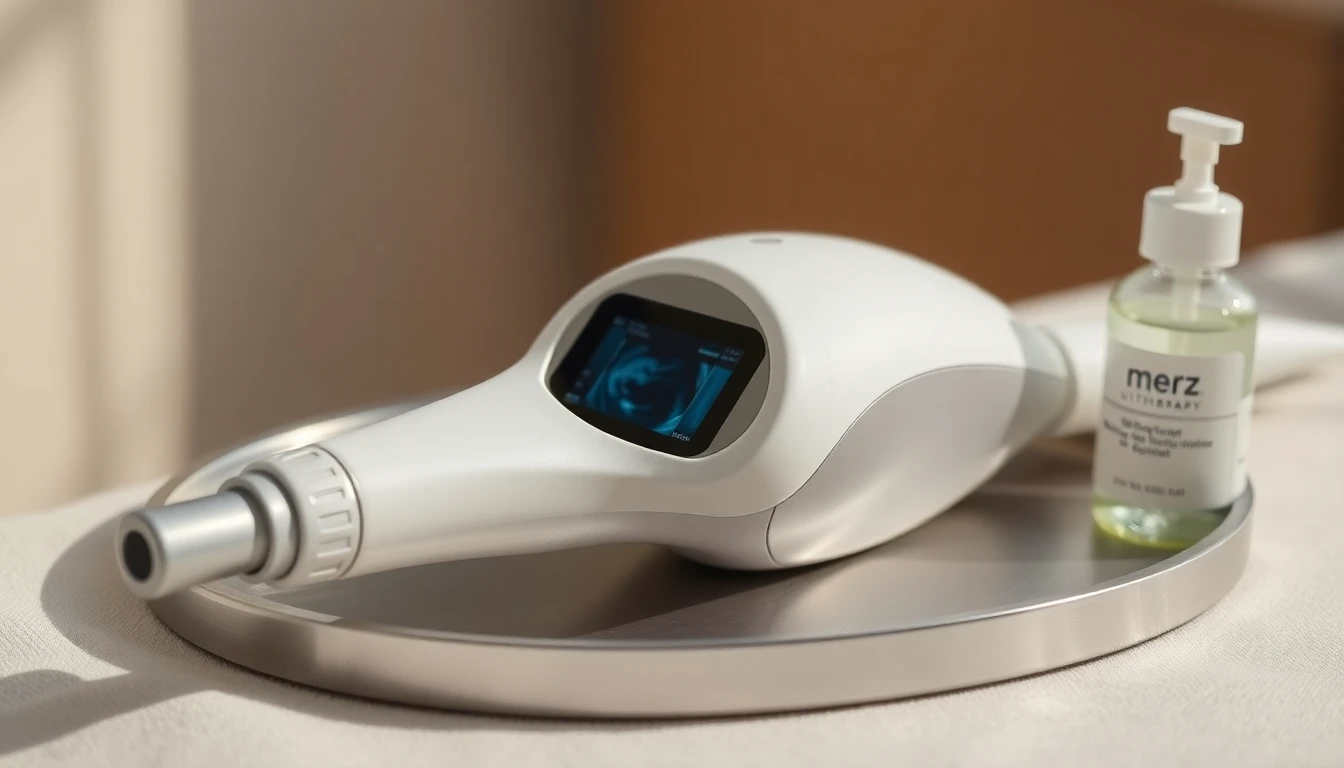
Ultherapy is the original FDA-cleared and TGA-registered HIFU (high-intensity focused ultrasound) device for non-surgical skin lifting and tightening. It uses focused ultrasound energy at controlled depths (1.5mm, 3mm and 4.5mm) to coagulate tissue and stimulate collagen production. It is marketed as a non-surgical alternative to facelift for early-to-moderate skin laxity. Outcomes are modest and last 12–18 months on average.
Numbers reflect this directory's coverage at build time. Costs are typical Australian ranges; recovery is the median for this procedure type. AHPRA-compliant illustration only — no patient depiction.
Find ultherapy
790 clinics across Australia
Listed by city, A–Z. Premium and verified clinics appear first within each city.
Scalp Micro Pigmentation Australia – Adelaide’s Leading SMP Specialists is a non-surgical cosmetic practice located in Walkerville. Details sourced from public listings and pending independent verification.
Afterglow Aesthetics is a non-surgical cosmetic practice located in Redwood Park. Details sourced from public listings and pending independent verification.
Barbie. Love Medispa is a non-surgical cosmetic practice located in Mile End. Details sourced from public listings and pending independent verification.
Halo Glo - Adelaide Body Contouring is a non-surgical cosmetic practice located in Mawson Lakes. Details sourced from public listings and pending independent verification.
Adelaide SculpSure and Aesthetic Clinic is a non-surgical cosmetic practice located in Prospect. Details sourced from public listings and pending independent verification.
Jolie Clinic - Premium Aesthetic & Skin Care Clinic Adelaide is a non-surgical cosmetic practice located in Henley Beach. Details sourced from public listings and pending independent verification.
Adelaide Cosmetic Medicine & Laser Skin Clinic is a non-surgical cosmetic practice located in Parkside. Details sourced from public listings and pending independent verification.
The Cosmetic Clinic By Renee is a non-surgical cosmetic practice located in Payneham. Details sourced from public listings and pending independent verification.
Adelaide Skin Clinic is a non-surgical cosmetic practice located in Klemzig. Details sourced from public listings and pending independent verification.
Ascension Cosmetic Medicine is a non-surgical cosmetic practice located in New Farm. Details sourced from public listings and pending independent verification.
Sonder Private Clinic Brisbane is a non-surgical cosmetic practice located in Greenslopes. Details sourced from public listings and pending independent verification.
Tyler Rose Aesthetics is a non-surgical cosmetic practice located in West End. Details sourced from public listings and pending independent verification.
Contour Clinics Brisbane is a non-surgical cosmetic practice located in Stones Corner. Details sourced from public listings and pending independent verification.
BeautyFULL Cosmetic Medical Clinic is a non-surgical cosmetic practice located in Holland Park West. Details sourced from public listings and pending independent verification.
The Manor Clinic is a non-surgical cosmetic practice located in Petrie Terrace. Details sourced from public listings and pending independent verification.
Beauty Boost Aesthetic Clinic is a non-surgical cosmetic practice located in Teneriffe. Details sourced from public listings and pending independent verification.
Jade Cosmetic Clinic - Edge Hill is a non-surgical cosmetic practice located in Edge Hill. Details sourced from public listings and pending independent verification.
Laura's Skin Management Specialists is a non-surgical cosmetic practice located in Cairns City. Details sourced from public listings and pending independent verification.
Cosmedic Beauty Cairns is a non-surgical cosmetic practice located in Cairns City. Details sourced from public listings and pending independent verification.
DermFit Aesthetics + Skin is a non-surgical cosmetic practice located in Cairns City. Details sourced from public listings and pending independent verification.
The Aesthetic Lounge is a non-surgical cosmetic practice located in Cairns North. Details sourced from public listings and pending independent verification.
Skin Doctors on Barr St is a non-surgical cosmetic practice located in Earlville. Details sourced from public listings and pending independent verification.
Cairns Cosmetic Clinic is a non-surgical cosmetic practice located in Cairns City. Details sourced from public listings and pending independent verification.
Artisan Aesthetic Clinics Balmain is a non-surgical cosmetic practice located in Balmain. Details sourced from public listings and pending independent verification.
Harmony Body Contouring is a non-surgical cosmetic practice located in Chisholm. Details sourced from public listings and pending independent verification.
Cryo Curve Body Sculpting Clinic is a non-surgical cosmetic practice located in Gungahlin. Details sourced from public listings and pending independent verification.
Total Body Contouring is a non-surgical cosmetic practice located in Griffith. Details sourced from public listings and pending independent verification.
La Forme by Meraki Cosmetic is a non-surgical cosmetic practice located in Kingston. Details sourced from public listings and pending independent verification.
Elite Body Contouring Canberra is a non-surgical cosmetic practice located in Canberra. Details sourced from public listings and pending independent verification.
Inya Cosmetic Skin Clinic is a non-surgical cosmetic practice located in O'Connor. Details sourced from public listings and pending independent verification.
The Skyn Lounge - Canberra skin clinic is a non-surgical cosmetic practice located in Bruce. Details sourced from public listings and pending independent verification.
Skin Wellness Academy is a non-surgical cosmetic practice located in Canberra. Details sourced from public listings and pending independent verification.
Rural Wax and Beauty Pty Ltd is a non-surgical cosmetic practice located in Coolalinga. Details sourced from public listings and pending independent verification.
Advanced Body Image and Spa Lotus is a non-surgical cosmetic practice located in Berrimah. Details sourced from public listings and pending independent verification.
LASH and Brow Bar Darwin is a non-surgical cosmetic practice located in Darwin City. Details sourced from public listings and pending independent verification.
Lift Your Soul Head Spa is a non-surgical cosmetic practice located in Stuart Park. Details sourced from public listings and pending independent verification.
Cosmetic Nurses Australia Darwin is a non-surgical cosmetic practice located in Tivendale. Details sourced from public listings and pending independent verification.
Zencrown Head Spa is a non-surgical cosmetic practice located in Darwin City. Details sourced from public listings and pending independent verification.
The Facialist Darwin is a non-surgical cosmetic practice located in Johnston. Details sourced from public listings and pending independent verification.
Revive Aesthetics by Chloe & Co is a non-surgical cosmetic practice located in Torquay. Details sourced from public listings and pending independent verification.
Fibroblast Australia - Skin Rejuvenation & Cosmetic Tattoo is a non-surgical cosmetic practice located in Geelong. Details sourced from public listings and pending independent verification.
Australian Skin Clinics Waurn Ponds is a non-surgical cosmetic practice located in Waurn Ponds. Details sourced from public listings and pending independent verification.
Laser Clinics Australia - Waurn Ponds is a non-surgical cosmetic practice located in Waurn Ponds. Details sourced from public listings and pending independent verification.
The Agency of Skin and Ink is a non-surgical cosmetic practice located in Geelong. Details sourced from public listings and pending independent verification.
Dermaluxe Beauty is a non-surgical cosmetic practice located in Geelong West. Details sourced from public listings and pending independent verification.
SKIN HEALTH & CANCER GEELONG is a non-surgical cosmetic practice located in Belmont. Details sourced from public listings and pending independent verification.
Advanced Body Contouring is a non-surgical cosmetic practice located in Varsity Lakes. Details sourced from public listings and pending independent verification.
Everybody Clinic Broadbeach is a non-surgical cosmetic practice located in Broadbeach. Details sourced from public listings and pending independent verification.
Sculpted Peach is a non-surgical cosmetic practice located in Mermaid Beach. Details sourced from public listings and pending independent verification.
Setons Cosmetics Clinic is a non-surgical cosmetic practice located in Surfers Paradise. Details sourced from public listings and pending independent verification.
Cheekii Coastal Cosmetic Clinic is a non-surgical cosmetic practice located in Clear Island Waters. Details sourced from public listings and pending independent verification.
Refresh & Rejuvenate Skin Spa Beauty is a non-surgical cosmetic practice located in Golden Grove. Details sourced from public listings and pending independent verification.
Medicine of Cosmetics is a non-surgical cosmetic practice located in Royston Park. Details sourced from public listings and pending independent verification.
Exquisite Brows & Spa Elizabeth Centre is a non-surgical cosmetic practice located in Elizabeth. Details sourced from public listings and pending independent verification.
White Sage Aesthetics is a non-surgical cosmetic practice located in Hobart. Details sourced from public listings and pending independent verification.
Heart Aesthetics Hobart is a non-surgical cosmetic practice located in New Town. Details sourced from public listings and pending independent verification.
Eden Cosmetic Therapies is a non-surgical cosmetic practice located in Kingston. Details sourced from public listings and pending independent verification.
Beauty Lab & Laser is a non-surgical cosmetic practice located in Lindisfarne. Details sourced from public listings and pending independent verification.
Body Sculpting Australia is a non-surgical cosmetic practice located in Malvern. Details sourced from public listings and pending independent verification.
Bimini Body Contouring is a non-surgical cosmetic practice located in Albert Park. Details sourced from public listings and pending independent verification.
Vis à Vis Cosmetic is a non-surgical cosmetic practice located in South Yarra. Details sourced from public listings and pending independent verification.
Suede Clinic Melbourne is a non-surgical cosmetic practice located in Richmond. Details sourced from public listings and pending independent verification.
Dermaq Port Melbourne is a non-surgical cosmetic practice located in Port Melbourne. Details sourced from public listings and pending independent verification.
Prophile Clinics - Cosmetic Skin & Laser Clinic New Farm Brisbane is a non-surgical cosmetic practice located in New Farm. Details sourced from public listings and pending independent verification.
Chapel Cosmetics: Cosmetic Injectables Melbourne is a non-surgical cosmetic practice located in Prahran. Details sourced from public listings and pending independent verification.
CIMED Cosmetic Medicine is a non-surgical cosmetic practice located in Newcastle. Details sourced from public listings and pending independent verification.
Body Sculpting Clinics - Charlestown is a non-surgical cosmetic practice located in Charlestown. Details sourced from public listings and pending independent verification.
The Injectables Queen is a non-surgical cosmetic practice located in Charlestown. Details sourced from public listings and pending independent verification.
Newcastle Cosmetic Doctor is a non-surgical cosmetic practice located in Broadmeadow. Details sourced from public listings and pending independent verification.
Aesthetics by Maddy-Jane is a non-surgical cosmetic practice located in Warners Bay. Details sourced from public listings and pending independent verification.
Lets Face It Skin and Laser Clinic is a non-surgical cosmetic practice located in Charlestown. Details sourced from public listings and pending independent verification.
Your Cosmetic Intelligence is a non-surgical cosmetic practice located in Cooks Hill. Details sourced from public listings and pending independent verification.
Chantilly Skin & Brow Newcastle is a non-surgical cosmetic practice located in Newcastle. Details sourced from public listings and pending independent verification.
Trinity Aesthetics is a non-surgical cosmetic practice located in Rivervale. Details sourced from public listings and pending independent verification.
RESHAPE Body Sculpting Studio is a non-surgical cosmetic practice located in Mount Lawley. Details sourced from public listings and pending independent verification.
BodySculpt Aesthetics is a non-surgical cosmetic practice located in South Perth. Details sourced from public listings and pending independent verification.
Face and Body Inc is a non-surgical cosmetic practice located in East Perth. Details sourced from public listings and pending independent verification.
Erin Aesthetics Subiaco is a non-surgical cosmetic practice located in Subiaco. Details sourced from public listings and pending independent verification.
Youth Lab West Perth is a non-surgical cosmetic practice located in West Perth. Details sourced from public listings and pending independent verification.
Hair and Skin Science Thornlie is a non-surgical cosmetic practice located in Thornlie. Details sourced from public listings and pending independent verification.
Attentive Aesthetics is a non-surgical cosmetic practice located in Wembley. Details sourced from public listings and pending independent verification.
Body Transformation Institute | Sunshine Coast is a non-surgical cosmetic practice located in Maroochydore. Details sourced from public listings and pending independent verification.
Body Sculpt Clinic is a non-surgical cosmetic practice located in Maroochydore. Details sourced from public listings and pending independent verification.
Villanova Contour - Fat Freezing & Wellness is a non-surgical cosmetic practice located in Mountain Creek. Details sourced from public listings and pending independent verification.
MD Cosmetic and Skin Clinic Sunshine Coast is a non-surgical cosmetic practice located in Maroochydore. Details sourced from public listings and pending independent verification.
Contour Atelier is a non-surgical cosmetic practice located in Maroochydore. Details sourced from public listings and pending independent verification.
Aesthete Sunshine Coast is a non-surgical cosmetic practice located in Maroochydore. Details sourced from public listings and pending independent verification.
Elite Body Contouring Cronulla is a non-surgical cosmetic practice located in Cronulla. Details sourced from public listings and pending independent verification.
Elite Body Contouring Leichhardt is a non-surgical cosmetic practice located in Leichhardt. Details sourced from public listings and pending independent verification.
Elite Body Contouring Bondi Junction is a non-surgical cosmetic practice located in Bondi Junction. Details sourced from public listings and pending independent verification.
Elite Body Contouring Brookvale is a non-surgical cosmetic practice located in Brookvale. Details sourced from public listings and pending independent verification.
Elite Body Contouring Chatswood is a non-surgical cosmetic practice located in Chatswood. Details sourced from public listings and pending independent verification.
Nova Cosmetic Clinic | Sydney CBD is a non-surgical cosmetic practice located in Sydney. Details sourced from public listings and pending independent verification.
Jade Cosmetic Clinic - Brisbane is a non-surgical cosmetic practice located in Paddington. Details sourced from public listings and pending independent verification.
Cosmetic Face Clinics is a non-surgical cosmetic practice located in Woollahra. Details sourced from public listings and pending independent verification.
PAUSE Cosmetic Skin Clinic is a non-surgical cosmetic practice located in Pimlico. Details sourced from public listings and pending independent verification.
Laser Clinics Australia - Townsville Shopping Centre is a non-surgical cosmetic practice located in Aitkenvale. Details sourced from public listings and pending independent verification.
SILK Laser Clinics Fairfield is a non-surgical cosmetic practice located in Idalia. Details sourced from public listings and pending independent verification.
Townsville Anti Aging is a non-surgical cosmetic practice located in Townsville City. Details sourced from public listings and pending independent verification.
WaterLeaf Skin Health And Beauty is a non-surgical cosmetic practice located in Hyde Park. Details sourced from public listings and pending independent verification.
Halo Cosmetic Clinic is a non-surgical cosmetic practice located in Townsville City. Details sourced from public listings and pending independent verification.
Salt Esthetique | Cosmetic and Skin Studio Townsville is a non-surgical cosmetic practice located in Burdell. Details sourced from public listings and pending independent verification.
Elite Body Contouring Miranda is a non-surgical cosmetic practice located in Miranda. Details sourced from public listings and pending independent verification.
Contour Clinics Miranda is a non-surgical cosmetic practice located in Miranda. Details sourced from public listings and pending independent verification.
Laser Clinics Australia - Westfield Miranda is a non-surgical cosmetic practice located in Miranda. Details sourced from public listings and pending independent verification.
Shire Aesthetics and Vein Clinic is a non-surgical cosmetic practice located in Miranda. Details sourced from public listings and pending independent verification.
Cosmetic HQ by Danielle Ryan is a non-surgical cosmetic practice located in Corrimal. Details sourced from public listings and pending independent verification.
Scalp Revival - Scalp Micropigmentation is a non-surgical cosmetic practice located in Corrimal. Details sourced from public listings and pending independent verification.
Elite Body Contouring Wollongong is a non-surgical cosmetic practice located in Wollongong. Details sourced from public listings and pending independent verification.
My Cosmetic Clinic | Cosmetic Consultations – Wollongong is a non-surgical cosmetic practice located in Wollongong. Details sourced from public listings and pending independent verification.
Ultherapy is the most clinically-validated HIFU platform globally. It uses focused ultrasound to deliver energy at three controlled depths simultaneously — 4.5mm targets the SMAS (the same layer addressed in surgical facelift), 3mm targets the dermis, and 1.5mm the superficial layer. Real-time ultrasound visualisation allows the practitioner to confirm the target tissue plane before energy delivery.
How ultherapy works
Topical anaesthetic is applied for 30 minutes. Pre-treatment ultrasound imaging identifies the target tissue planes. The handpiece is calibrated to the chosen depth and energy and moved across the skin in a controlled pattern with energy pulses delivered at each line. Treatment time: 60–90 minutes for a full face and neck.
Who is ultherapy for?
Patients with early-to-moderate skin laxity, those wanting maintenance, or those who refuse surgery. Patients with significant facial volume loss are usually better served by surgery. Pregnant patients should defer. Patients with implanted electronic devices in the area or active skin infection are not candidates.
What drives the cost
Full face Ultherapy: $2,500–$4,000. Full face + neck: $3,500–$4,500+. Décolletage and body: priced separately. Ultherapy is typically more expensive than other HIFU platforms because of the brand and clinical-data lineage.
Recovery and downtime
Mild redness and swelling for 1–7 days. Tenderness in the treated area for 1–2 weeks. Numbness or tingling for several weeks. Avoid hot showers and exercise for 24 hours.
Choosing a practitioner
TGA-registered genuine Ultherapy device, trained operator working under medical supervision. Confirm device serial number and training certificate if you are paying premium pricing for the brand.
Before you book
Confirm device is genuine Ultherapy (not a parallel import)
Confirm operator training and medical supervision
Have realistic expectations — modest lifting, not facelift-equivalent
Discuss the trade-off between Ultherapy maintenance and eventual surgery
Ask about the number of treatment lines included in the quote
Red flags
Marketing Ultherapy as equivalent to surgical facelift
Use of unbranded HIFU as 'Ultherapy' (the brand is specific to Merz devices)
Beauty-salon settings without medical supervision
Discount-heavy pricing with low line counts
No discussion of expected magnitude or longevity
What ultherapy costs in Australia
Itemised view of where the $1,500 – $4,500 typically goes. Quoted prices vary by surgeon
experience, hospital, and case complexity — these shares are indicative.
Component
Typical share
Indicative range
What drives it
Practitioner fee
60%
$900 – $2,700
Driven by practitioner experience and the complexity of the area treated.
Product cost
30%
$450 – $1,350
Per-unit cost of the active substance (e.g. units of toxin, mL of filler).
Consultation and follow-up
8%
$100 – $350
Initial consultation and 2-week review typically included.
Clinic operating cost
2%
$50 – $100
Sterilisation, supplies, and overhead.
Total
100%
$1,500 – $4,500
Source: editorial estimates based on Australian Medical Association advisory notes and
publicly disclosed clinic schedules. Actual quotes will vary; ask your surgeon for an
itemised written quote before paying any deposit.
Ultherapy recovery timeline
A typical recovery curve. Individual recovery varies — confirm specific milestones
with your surgeon's post-operative plan.
Day 0
Procedure day.
Work OK No exercise
Day 0
Early recovery.
Work OK No exercise
Day 1
Halfway point.
Desk work OK Light only
Day 1
End of standard recovery window.
Work OK Light only
Day 2
Final result and return to all activities.
Work OK Normal
Risk profile for ultherapy
How the most-discussed risks for ultherapy sit on a frequency-by-severity grid.
All cosmetic procedures carry risk; the goal of this view is to help you ask better
consent questions, not to dismiss any single complication as unlikely.
Frequency \\ Severity
Mild
Moderate
Serious
Common
Swelling and bruising for 1–7 days
—
—
Uncommon
—
Pain during treatment — most pronounced at full energy settings
Numbness or tingling for several weeks
Inadequate result if energy is too conservative
Burns or fat loss in unintended planes (rare)
Asymmetry
—
Rare
—
—
—
Frequency and severity classifications are editorial summaries based on Australian
Society of Plastic Surgeons consent literature and TGA / AHPRA guidance. Your surgeon
should explain each risk individually as part of the formal informed-consent process —
this matrix is a starting point for the conversation, not a substitute.
Ultherapy was the first HIFU device with substantial clinical data and remains a respected platform. Other Korean and Chinese HIFU platforms (Ultraformer III, Ultracel, etc.) have entered the Australian market with similar physics — the differentiator is build quality, energy delivery accuracy, and operator training. Ultherapy is typically more expensive per session than other platforms.
How long do results last?+
Most patients see results that develop over 3–6 months and last 12–18 months. Patients with significant skin laxity or established jowling typically see less durable improvement. Maintenance treatments yearly are common.
How does it compare to surgical facelift?+
Ultherapy produces modest lifting (typically 5–15% in well-suited patients) lasting 12–18 months. Surgical facelift produces dramatic improvement lasting 7–10+ years. They are different value propositions, not alternatives. Ultherapy suits early laxity and maintenance; surgery suits established laxity.
Does it hurt?+
Yes. Effective Ultherapy at therapeutic energy is uncomfortable — patients describe brief deep-tissue heat at each pulse. Topical anaesthetic helps moderately. Devices set to 'comfort' protocols often deliver inadequate energy and produce no result.
Who should perform Ultherapy?+
Trained operator on a TGA-registered Ultherapy device under medical supervision. Confirm both.
Free · direct to clinic · no broker · AHPRA-verified