
Non-surgical 5 (28)
Chisholm, Chisholm ACT 2905
Harmony Body Contouring is a non-surgical cosmetic practice located in Chisholm. Details sourced from public listings and pending independent verification.
An independent directory of AHPRA-registered clinics
Non-surgical procedure · Canberra, ACT
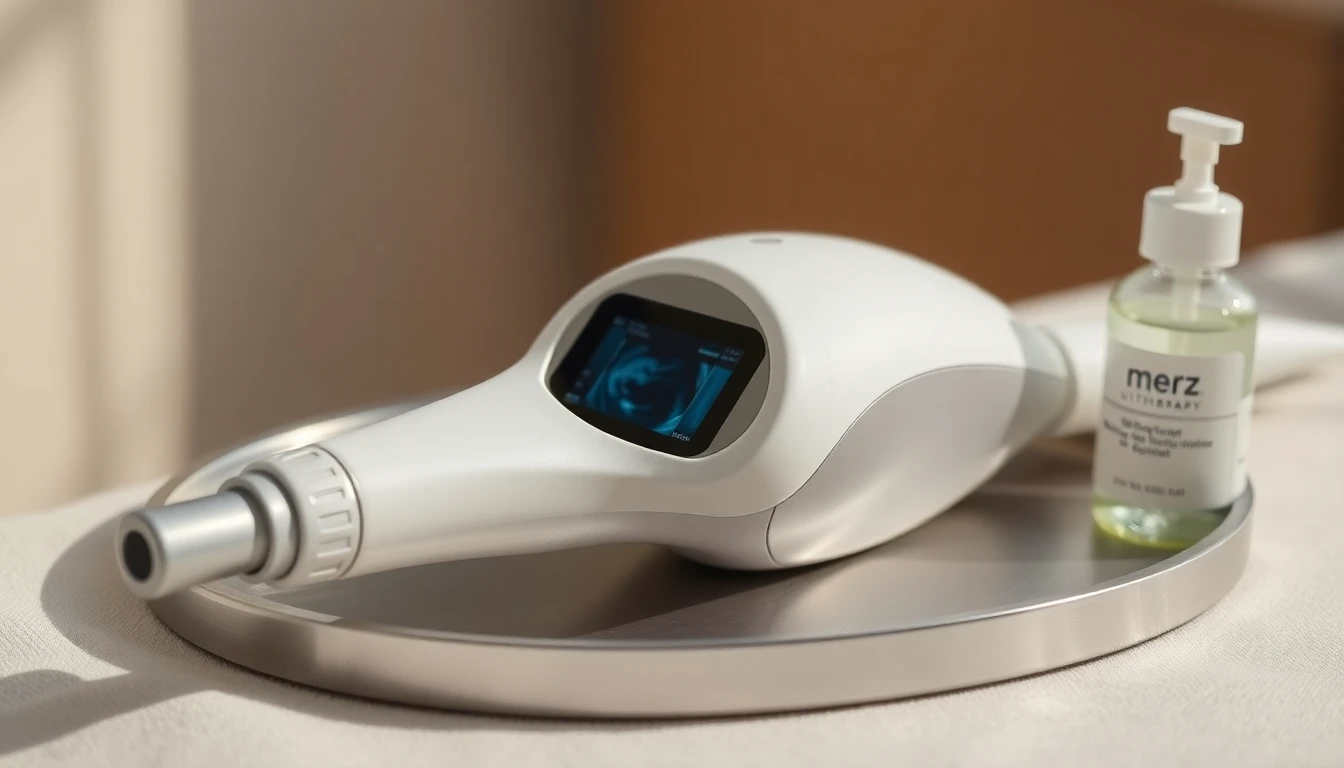
Ultherapy is the original FDA-cleared and TGA-registered HIFU (high-intensity focused ultrasound) device for non-surgical skin lifting and tightening. It uses focused ultrasound energy at controlled depths (1.5mm, 3mm and 4.5mm) to coagulate tissue and stimulate collagen production. It is marketed as a non-surgical alternative to facelift for early-to-moderate skin laxity. Outcomes are modest and last 12–18 months on average.
By the numbers — Canberra
Numbers reflect this directory's coverage of Canberra, ACT at build time. AHPRA-compliant illustration only — no patient depiction.
Clinics offering ultherapy
Premium and verified clinics appear first, then everything else. Each card links to the clinic's full profile.
Chisholm, Chisholm ACT 2905
Harmony Body Contouring is a non-surgical cosmetic practice located in Chisholm. Details sourced from public listings and pending independent verification.

Gungahlin, Gungahlin ACT 2912
Cryo Curve Body Sculpting Clinic is a non-surgical cosmetic practice located in Gungahlin. Details sourced from public listings and pending independent verification.

Griffith, Griffith ACT 2603
Total Body Contouring is a non-surgical cosmetic practice located in Griffith. Details sourced from public listings and pending independent verification.

Kingston, Kingston ACT 2604
La Forme by Meraki Cosmetic is a non-surgical cosmetic practice located in Kingston. Details sourced from public listings and pending independent verification.

Canberra, Canberra ACT 2601
Elite Body Contouring Canberra is a non-surgical cosmetic practice located in Canberra. Details sourced from public listings and pending independent verification.

Braddon, Braddon ACT 2612
Lite Nurse Clinic is a non-surgical cosmetic practice located in Braddon. Details sourced from public listings and pending independent verification.

O'Connor, O'Connor ACT 2602
Inya Cosmetic Skin Clinic is a non-surgical cosmetic practice located in O'Connor. Details sourced from public listings and pending independent verification.

Bruce, Bruce ACT 2617
The Skyn Lounge - Canberra skin clinic is a non-surgical cosmetic practice located in Bruce. Details sourced from public listings and pending independent verification.

Canberra, Canberra ACT 2601
Skin Wellness Academy is a non-surgical cosmetic practice located in Canberra. Details sourced from public listings and pending independent verification.

Ainslie, Ainslie ACT 2602
Aesthetics Wellness Canberra is a non-surgical cosmetic practice located in Ainslie. Details sourced from public listings and pending independent verification.

Kingston, Kingston ACT 2604
Dr J. Aesthetics - Medical TMJ, Wellness & Skin Clinic is a non-surgical cosmetic practice located in Kingston. Details sourced from public listings and pending independent verification.

Balmain, Balmain NSW 2041
Estetique Cosmetics is a non-surgical cosmetic practice located in Balmain. Details sourced from public listings and pending independent verification.

Canberra Airport, Canberra Airport ACT 2609
Skin Solutions Canberra is a non-surgical cosmetic practice located in Canberra Airport. Details sourced from public listings and pending independent verification.

Braddon, Braddon ACT 2612
Prime Cosmetic Clinic is a non-surgical cosmetic practice located in Braddon. Details sourced from public listings and pending independent verification.
Kingston, Kingston ACT 2604
Skin Society is a non-surgical cosmetic practice located in Kingston. Details sourced from public listings and pending independent verification.

Deakin, Deakin ACT 2600
Ashley and Martin is a non-surgical cosmetic practice located in Deakin. Details sourced from public listings and pending independent verification.

Canberra, Canberra ACT 2601
Skin by Dermatologists: Dr Rachael Anforth is a dermatology cosmetic practice located in Canberra. Details sourced from public listings and pending independent verification.

Kingston, Kingston ACT 2604
House of Define is a non-surgical cosmetic practice located in Kingston. Details sourced from public listings and pending independent verification.

Deakin, Deakin ACT 2600
InLine Clinics Canberra - Doctor Led Cosmetic Clinic is a non-surgical cosmetic practice located in Deakin. Details sourced from public listings and pending independent verification.

Phillip, Phillip ACT 2606
Cosmetic Laser Clinic is a non-surgical cosmetic practice located in Phillip. Details sourced from public listings and pending independent verification.
Deakin, Deakin ACT 2600
My Genesis Clinic is a non-surgical cosmetic practice located in Deakin. Details sourced from public listings and pending independent verification.

Canberra, Canberra ACT 2601
Skin by Dermatologists is a dermatology cosmetic practice located in Canberra. Details sourced from public listings and pending independent verification.
Deakin, Deakin ACT 2600
The Capital Cosmetic & Laser Clinic - DR Jennifer Dunlop is a non-surgical cosmetic practice located in Deakin. Details sourced from public listings and pending independent verification.

Braddon, Braddon ACT 2612
The Scalp Spa is a non-surgical cosmetic practice located in Braddon. Details sourced from public listings and pending independent verification.

Kingston, Kingston ACT 2604
Cosmetic Skin Therapies Canberra is a non-surgical cosmetic practice located in Kingston. Details sourced from public listings and pending independent verification.

Yarralumla, Yarralumla ACT 2600
NuMe by Jade | Beauty Salon Canberra is a non-surgical cosmetic practice located in Yarralumla. Details sourced from public listings and pending independent verification.

Campbell, Campbell ACT 2612
The Clinic Skin Health & Wellness is a non-surgical cosmetic practice located in Campbell. Details sourced from public listings and pending independent verification.

Garran, Garran ACT 2605
Laser Skin Clinic Medical & Cosmetic Canberra is a non-surgical cosmetic practice located in Garran. Details sourced from public listings and pending independent verification.

Canberra, Canberra ACT 2601
Enhance Skin Care is a non-surgical cosmetic practice located in Canberra. Details sourced from public listings and pending independent verification.

Lyneham, Lyneham ACT 2602
Foundation Beauty Therapy is a non-surgical cosmetic practice located in Lyneham. Details sourced from public listings and pending independent verification.
Reid, Reid ACT 2612
Skin Deep Face and Body Beauty Therapy Canberra is a non-surgical cosmetic practice located in Reid. Details sourced from public listings and pending independent verification.

Noosaville, Noosaville QLD 4566
Chloe Regan Cosmetic Clinic is a non-surgical cosmetic practice located in Noosaville. Details sourced from public listings and pending independent verification.

Canberra, Canberra ACT 2601
iBrow Threads Canberra Centre is a non-surgical cosmetic practice located in Canberra. Details sourced from public listings and pending independent verification.

Phillip, Phillip ACT 2606
Artisan Aesthetic Clinics Woden is a non-surgical cosmetic practice located in Phillip. Details sourced from public listings and pending independent verification.

Bruce, Bruce ACT 2617
Artisan Aesthetic Clinics Bruce is a non-surgical cosmetic practice located in Bruce. Details sourced from public listings and pending independent verification.

Canberra, Canberra ACT 2601
Sycamore Medi spa (City) is a non-surgical cosmetic practice located in Canberra. Details sourced from public listings and pending independent verification.

Belconnen, Belconnen ACT 2617
The R Clinic is a non-surgical cosmetic practice located in Belconnen. Details sourced from public listings and pending independent verification.

Bruce, Bruce ACT 2617
Cosmos Clinic - Canberra Liposuction & BBL is a non-surgical cosmetic practice located in Bruce. Details sourced from public listings and pending independent verification.

Braddon, Braddon ACT 2612
Designher Beauty is a non-surgical cosmetic practice located in Braddon. Details sourced from public listings and pending independent verification.

Yass, Yass NSW 2582
Bello Beauty Medispa is a non-surgical cosmetic practice located in Yass. Details sourced from public listings and pending independent verification.

Campbell, Campbell ACT 2612
Alchemy Beauty Lab is a non-surgical cosmetic practice located in Campbell. Details sourced from public listings and pending independent verification.

Canberra, Canberra ACT 2601
Svelte Medispa is a non-surgical cosmetic practice located in Canberra. Details sourced from public listings and pending independent verification.

Mildura, Mildura VIC 3500
Laser Clinics Australia - Mildura is a non-surgical cosmetic practice located in Mildura. Details sourced from public listings and pending independent verification.
Kingston, Kingston ACT 2604
Aesthetic Harmony Clinic Canberra is a non-surgical cosmetic practice located in Kingston. Details sourced from public listings and pending independent verification.

Canberra, Canberra ACT 2601
Laser Clinics Australia - Canberra Centre is a non-surgical cosmetic practice located in Canberra. Details sourced from public listings and pending independent verification.
Phillip, Phillip ACT 2606
Advanced Hair Studio is a non-surgical cosmetic practice located in Phillip. Details sourced from public listings and pending independent verification.
Turner, Turner ACT 2612
ACT Dermatology is a dermatology cosmetic practice located in Turner. Details sourced from public listings and pending independent verification.

Mitchell, Mitchell ACT 2911
The Shadow Clinic Canberra is a non-surgical cosmetic practice located in Mitchell. Details sourced from public listings and pending independent verification.
Procedure guide
Ultherapy is the most clinically-validated HIFU platform globally. It uses focused ultrasound to deliver energy at three controlled depths simultaneously — 4.5mm targets the SMAS (the same layer addressed in surgical facelift), 3mm targets the dermis, and 1.5mm the superficial layer. Real-time ultrasound visualisation allows the practitioner to confirm the target tissue plane before energy delivery.
Topical anaesthetic is applied for 30 minutes. Pre-treatment ultrasound imaging identifies the target tissue planes. The handpiece is calibrated to the chosen depth and energy and moved across the skin in a controlled pattern with energy pulses delivered at each line. Treatment time: 60–90 minutes for a full face and neck.
Patients with early-to-moderate skin laxity, those wanting maintenance, or those who refuse surgery. Patients with significant facial volume loss are usually better served by surgery. Pregnant patients should defer. Patients with implanted electronic devices in the area or active skin infection are not candidates.
Canberra context
Canberra is a moderate-sized but well-resourced cosmetic and plastic surgery market that serves the ACT (population approximately 460,000) along with the Southern Tablelands, the Snowy Mountains, the South Coast of NSW, and parts of the Riverina. Most local FRACS plastic surgeons hold dual public/private appointments at Canberra Hospital and the Calvary network, which keeps the market reconstructive-leaning. Cosmetic physicians and non-surgical clinics are concentrated in Deakin, Manuka, Braddon, and Phillip. Canberra patients who would otherwise travel to Sydney or Melbourne can usually find comparable surgical quality locally, although the absolute volume of high-volume cosmetic-only practices is smaller than in those capitals. The regulatory environment in the ACT broadly mirrors federal AHPRA settings; there are no ACT-specific licensing carve-outs.
Common surgical venues for cosmetic and plastic surgery in Canberra include Calvary John James Hospital (Deakin), National Capital Private Hospital (Garran, co-located with Canberra Hospital), and Calvary Bruce Private Hospital. Several specialist plastic surgery practices also use ACHS-accredited day-surgery suites in Deakin and Phillip. Canberra Hospital (public) provides tertiary backup and is the major referral centre for the wider region.
Canberra attracts patients from the ACT, the Southern Tablelands, the Snowy Mountains, the NSW South Coast, and the Riverina. Patients from Sydney occasionally travel south to Canberra for specific surgeons or shorter consultation waits, although the more common pattern is the opposite — Canberra patients travelling to Sydney for higher-volume cosmetic-only practices. The drive from Sydney is approximately 3 hours via the M31/Hume Highway; the train (Xplorer service) takes about 4.5 hours. Canberra Airport (Majura) has direct flights from all major capitals. Pricing for surgical work is typically comparable to or slightly below Sydney; non-surgical pricing is comparable.
Canberra Airport is 10 minutes from the CBD and Civic clinic clusters, and 15 minutes from Deakin and Garran. Most clinics offer on-site parking; the Canberra light rail (Gungahlin–Civic) connects northern suburbs to the CBD but does not reach Deakin, Phillip, or Garran — most patients drive. The cool-temperate inland climate is generally favourable for surgical recovery; winter (June–August) can be very cold (-5°C overnight is not unusual), which some patients find slows mobility. Summer is dry and warm rather than humid, which is well-tolerated for body-procedure aftercare.
Cost factors
Full face Ultherapy: $2,500–$4,000. Full face + neck: $3,500–$4,500+. Décolletage and body: priced separately. Ultherapy is typically more expensive than other HIFU platforms because of the brand and clinical-data lineage.
Itemised view of where the $1,500 – $4,500 typically goes. Quoted prices vary by surgeon experience, hospital, and case complexity — these shares are indicative.
| Component | Typical share | Indicative range |
|---|---|---|
| Practitioner fee | 60% | $900 – $2,700 |
| Product cost | 30% | $450 – $1,350 |
| Consultation and follow-up | 8% | $100 – $350 |
| Clinic operating cost | 2% | $50 – $100 |
| Total | 100% | $1,500 – $4,500 |
Source: editorial estimates based on Australian Medical Association advisory notes and publicly disclosed clinic schedules. Actual quotes will vary; ask your surgeon for an itemised written quote before paying any deposit.
A typical recovery curve. Individual recovery varies — confirm specific milestones with your surgeon's post-operative plan.
Day 0
Procedure day.
Day 0
Early recovery.
Day 1
Halfway point.
Day 1
End of standard recovery window.
Day 2
Final result and return to all activities.
Recovery + practitioner
Mild redness and swelling for 1–7 days. Tenderness in the treated area for 1–2 weeks. Numbness or tingling for several weeks. Avoid hot showers and exercise for 24 hours.
TGA-registered genuine Ultherapy device, trained operator working under medical supervision. Confirm device serial number and training certificate if you are paying premium pricing for the brand.
How the most-discussed risks for ultherapy sit on a frequency-by-severity grid. All cosmetic procedures carry risk; the goal of this view is to help you ask better consent questions, not to dismiss any single complication as unlikely.
| Frequency \\ Severity | Mild | Moderate | Serious |
|---|---|---|---|
| Common |
| — | — |
| Uncommon | — |
| — |
| Rare | — | — | — |
Frequency and severity classifications are editorial summaries based on Australian Society of Plastic Surgeons consent literature and TGA / AHPRA guidance. Your surgeon should explain each risk individually as part of the formal informed-consent process — this matrix is a starting point for the conversation, not a substitute.
FAQ
Ultherapy was the first HIFU device with substantial clinical data and remains a respected platform. Other Korean and Chinese HIFU platforms (Ultraformer III, Ultracel, etc.) have entered the Australian market with similar physics — the differentiator is build quality, energy delivery accuracy, and operator training. Ultherapy is typically more expensive per session than other platforms.
Most patients see results that develop over 3–6 months and last 12–18 months. Patients with significant skin laxity or established jowling typically see less durable improvement. Maintenance treatments yearly are common.
Ultherapy produces modest lifting (typically 5–15% in well-suited patients) lasting 12–18 months. Surgical facelift produces dramatic improvement lasting 7–10+ years. They are different value propositions, not alternatives. Ultherapy suits early laxity and maintenance; surgery suits established laxity.
Yes. Effective Ultherapy at therapeutic energy is uncomfortable — patients describe brief deep-tissue heat at each pulse. Topical anaesthetic helps moderately. Devices set to 'comfort' protocols often deliver inadequate energy and produce no result.
Trained operator on a TGA-registered Ultherapy device under medical supervision. Confirm both.
Compare nearby
Free · direct to clinic · no broker · AHPRA-verified