Non-surgical 5 (40)
Prospect, Prospect SA 5082
Adelaide SculpSure and Aesthetic Clinic is a non-surgical cosmetic practice located in Prospect. Details sourced from public listings and pending independent verification.
An independent directory of AHPRA-registered clinics
Non-surgical procedure · SA
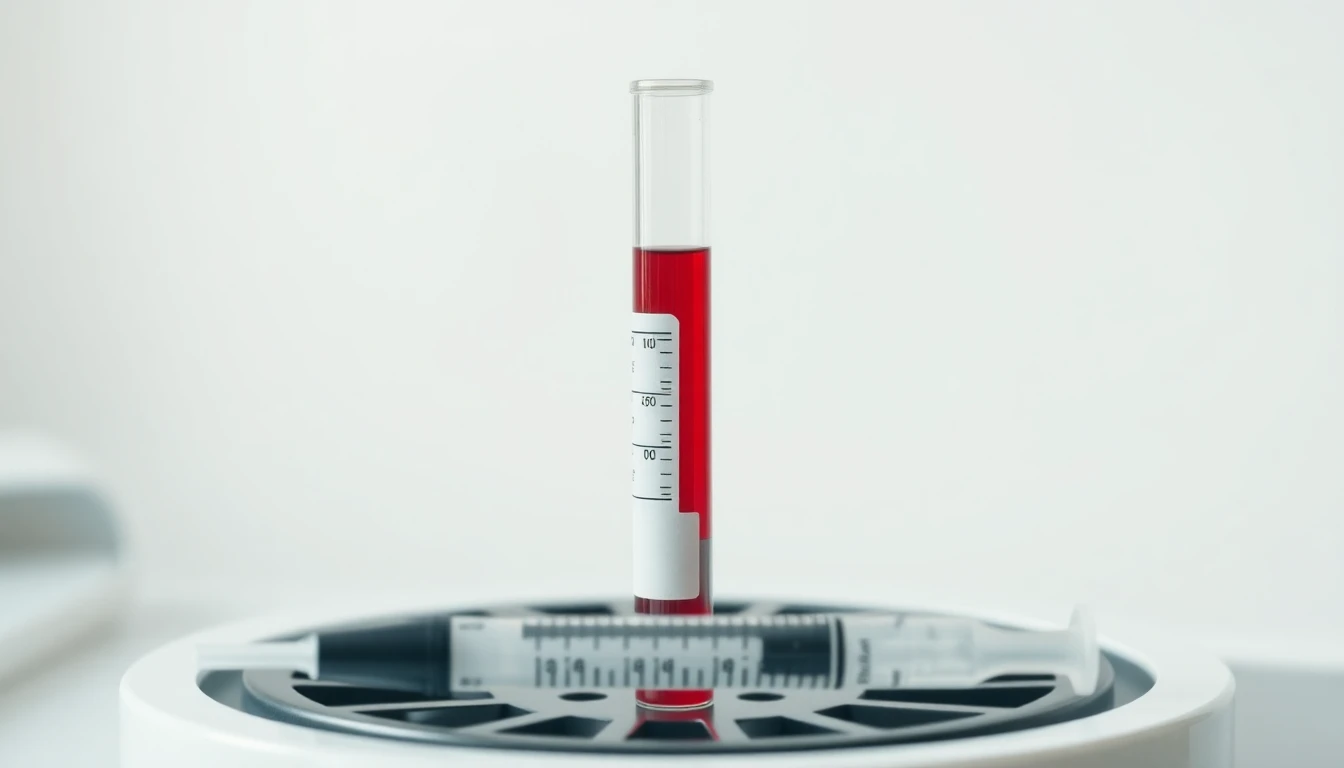
Platelet-rich plasma (PRP) treatment uses the patient's own blood, processed in a centrifuge to concentrate platelets and growth factors, which is then injected into the skin or scalp. It is used for skin rejuvenation, hair-loss treatment, and as an adjunct to other procedures. Australian use of PRP is regulated by the Therapeutic Goods Administration; the device must be TGA-registered and the procedure performed by a trained practitioner.
By the numbers — South Australia
Numbers reflect this directory's coverage of South Australia at build time. Costs are typical Australian ranges; recovery is the median for this procedure type. AHPRA-compliant illustration only — no patient depiction.
Local context
Adelaide is the only meaningful cosmetic surgery cluster in SA. Practices are concentrated in the inner east (Norwood, Kent Town, Stepney), North Adelaide, Burnside, and the Wayville/Unley medical precinct. Most local FRACS plastic surgeons hold dual public/private appointments at the Royal Adelaide Hospital or Flinders Medical Centre, which keeps the market reconstructive-leaning. Cosmetic physicians and non-surgical clinics are clustered in Norwood, North Adelaide, and Glenelg. Pricing for surgical work in Adelaide is typically 10–15% below the Sydney/Melbourne benchmark; non-surgical pricing is comparable.
SA practitioners operate under the same federal AHPRA cosmetic-advertising rules introduced in July 2023. The Health and Community Services Complaints Commissioner (HCSCC) handles state-level patient complaints in addition to AHPRA's national process. SA Health licenses private health facilities under state-level legislation; most procedures under sedation or general anaesthesia must occur in a licensed facility. SA has been less affected than QLD or NSW by the wave of cosmetic-advertising complaints that triggered the 2023 reforms — the local market is small, FRACS-dominated, and historically more conservative.
Every clinic offering platelet-rich plasma in South Australia
Premium and verified clinics appear first. Each card links through to the clinic's full profile.
Prospect, Prospect SA 5082
Adelaide SculpSure and Aesthetic Clinic is a non-surgical cosmetic practice located in Prospect. Details sourced from public listings and pending independent verification.

Norwood, Norwood SA 5067
Elixir Skin Fitness is a non-surgical cosmetic practice located in Norwood. Details sourced from public listings and pending independent verification.

Adelaide, Adelaide SA 5000
BalaBala Laser Clinic is a non-surgical cosmetic practice located in Adelaide. Details sourced from public listings and pending independent verification.

Adelaide, Adelaide SA 5000
Reskin Laser Clinic is a non-surgical cosmetic practice located in Adelaide. Details sourced from public listings and pending independent verification.

North Adelaide, North Adelaide SA 5006
Adelaide Cosmetic & Laser Clinic is a non-surgical cosmetic practice located in North Adelaide. Details sourced from public listings and pending independent verification.

Walkerville, Walkerville SA 5081
Scalp Micro Pigmentation Australia – Adelaide’s Leading SMP Specialists is a non-surgical cosmetic practice located in Walkerville. Details sourced from public listings and pending independent verification.

Redwood Park, Redwood Park SA 5097
Afterglow Aesthetics is a non-surgical cosmetic practice located in Redwood Park. Details sourced from public listings and pending independent verification.

Mile End, Mile End SA 5031
Barbie. Love Medispa is a non-surgical cosmetic practice located in Mile End. Details sourced from public listings and pending independent verification.

Mawson Lakes, Mawson Lakes SA 5095
Halo Glo - Adelaide Body Contouring is a non-surgical cosmetic practice located in Mawson Lakes. Details sourced from public listings and pending independent verification.

Henley Beach, Henley Beach SA 5022
Jolie Clinic - Premium Aesthetic & Skin Care Clinic Adelaide is a non-surgical cosmetic practice located in Henley Beach. Details sourced from public listings and pending independent verification.

Parkside, Parkside SA 5063
Adelaide Cosmetic Medicine & Laser Skin Clinic is a non-surgical cosmetic practice located in Parkside. Details sourced from public listings and pending independent verification.

Payneham, Payneham SA 5070
The Cosmetic Clinic By Renee is a non-surgical cosmetic practice located in Payneham. Details sourced from public listings and pending independent verification.
City pages
For city-specific listings — including which non-surgical venues each practice operates from — use the city pages below.
Itemised view of where the $500 – $1,200 typically goes. Quoted prices vary by surgeon experience, hospital, and case complexity — these shares are indicative.
| Component | Typical share | Indicative range |
|---|---|---|
| Practitioner fee | 60% | $300 – $700 |
| Product cost | 30% | $150 – $350 |
| Consultation and follow-up | 8% | $50 – $100 |
| Clinic operating cost | 2% | $0 |
| Total | 100% | $500 – $1,200 |
Source: editorial estimates based on Australian Medical Association advisory notes and publicly disclosed clinic schedules. Actual quotes will vary; ask your surgeon for an itemised written quote before paying any deposit.
A typical recovery curve. Individual recovery varies — confirm specific milestones with your surgeon's post-operative plan.
Day 0
Procedure day.
Day 0
Early recovery.
Day 1
Halfway point.
Day 1
End of standard recovery window.
Day 2
Final result and return to all activities.
How the most-discussed risks for platelet-rich plasma (prp) sit on a frequency-by-severity grid. All cosmetic procedures carry risk; the goal of this view is to help you ask better consent questions, not to dismiss any single complication as unlikely.
| Frequency \\ Severity | Mild | Moderate | Serious |
|---|---|---|---|
| Common |
| — | — |
| Uncommon | — |
| — |
| Rare | — | — |
|
Frequency and severity classifications are editorial summaries based on Australian Society of Plastic Surgeons consent literature and TGA / AHPRA guidance. Your surgeon should explain each risk individually as part of the formal informed-consent process — this matrix is a starting point for the conversation, not a substitute.
FAQ
PRP concentrates platelets — small cell fragments that release growth factors involved in tissue repair. Injected into the dermis or scalp, the growth factors stimulate fibroblast activity, vascularisation and (for hair) follicular activity. The exact mechanism for cosmetic benefit is still being studied; the response to PRP varies considerably between individuals.
A 'vampire facial' combines microneedling (creating microchannels in the skin) with PRP applied topically and massaged in. PRP-only injection delivers product directly into specific dermal targets. The two are different treatments at different price points; results vary.
There is growing evidence PRP can slow androgenetic alopecia and modestly improve density when used regularly (typically 3–4 sessions a month apart, then maintenance every 6 months). It works best in early-to-moderate hair loss and is often combined with finasteride and minoxidil. Patients with advanced baldness usually need transplantation.
Skin rejuvenation: typically 3 sessions a month apart, with results judged at 3–6 months. Hair loss: typically 4 monthly sessions, then 6-monthly maintenance. Single-session PRP is generally less effective.
PRP requires drawing blood from the patient and injecting back at controlled depths, so should be performed by an AHPRA-registered medical practitioner or appropriately trained registered nurse. The centrifuge and tubes used must be TGA-registered for the indication. Confirm both before booking.
Free · direct to clinic · no broker · AHPRA-verified