
Non-surgical 4.8 (115)
Golden Grove, Golden Grove SA 5125
Refresh & Rejuvenate Skin Spa Beauty is a non-surgical cosmetic practice located in Golden Grove. Details sourced from public listings and pending independent verification.
An independent directory of AHPRA-registered clinics
Non-surgical procedure · TAS
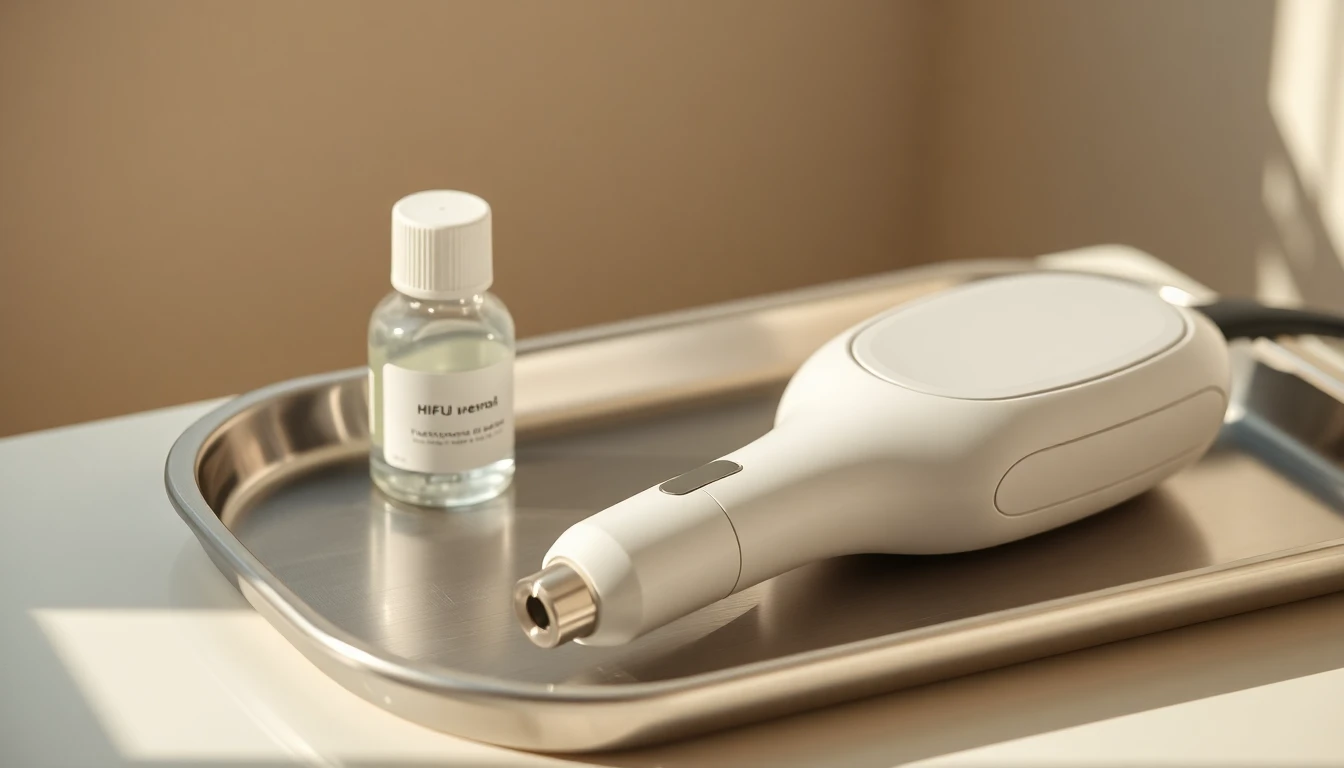
HIFU delivers focused ultrasound energy at controlled depths beneath the skin surface to coagulate tissue and stimulate collagen production. It is marketed as a non-surgical alternative to facelift for early-to-moderate skin laxity. Brands include Ultraformer, Ultherapy and various Korean and Chinese platforms — quality varies considerably. The device must be TGA-registered.
By the numbers — Tasmania
Numbers reflect this directory's coverage of Tasmania at build time. Costs are typical Australian ranges; recovery is the median for this procedure type. AHPRA-compliant illustration only — no patient depiction.
Local context
Hobart accounts for roughly 60% of Tasmanian cosmetic surgery activity; Launceston serves the north of the state. Tasmania has the highest median age of any Australian state, which shapes local demand toward functional and reconstructive work alongside aesthetic surgery. Most local FRACS plastic surgeons hold dual public/private appointments at the Royal Hobart Hospital or Launceston General Hospital. Several Melbourne-based surgeons run regular consultation clinics in Hobart — confirm with any visiting surgeon whether the surgery itself will take place in Tasmania or in Melbourne. Pricing in Tasmania is typically slightly below Melbourne for surgical work.
Tasmanian practitioners operate under the same federal AHPRA cosmetic-advertising rules introduced in July 2023. The Health Complaints Commissioner of Tasmania handles state-level patient complaints in addition to AHPRA's national process. Tasmania's small market size and high proportion of public-appointed surgeons mean the state has not seen the volume of cosmetic-advertising complaints that triggered the 2023 reforms in Queensland. Patients should still pay close attention to the AHPRA register and the formal distinction between 'cosmetic surgeon' and 'specialist plastic surgeon'.
Every clinic offering hifu in Tasmania
Premium and verified clinics appear first. Each card links through to the clinic's full profile.
Golden Grove, Golden Grove SA 5125
Refresh & Rejuvenate Skin Spa Beauty is a non-surgical cosmetic practice located in Golden Grove. Details sourced from public listings and pending independent verification.

Royston Park, Royston Park SA 5070
Medicine of Cosmetics is a non-surgical cosmetic practice located in Royston Park. Details sourced from public listings and pending independent verification.

Elizabeth, Elizabeth SA 5112
Exquisite Brows & Spa Elizabeth Centre is a non-surgical cosmetic practice located in Elizabeth. Details sourced from public listings and pending independent verification.

Hobart, Hobart TAS 7000
Lavada is a non-surgical cosmetic practice located in Hobart. Details sourced from public listings and pending independent verification.

Hobart, Hobart TAS 7000
White Sage Aesthetics is a non-surgical cosmetic practice located in Hobart. Details sourced from public listings and pending independent verification.

New Town, New Town TAS 7008
Heart Aesthetics Hobart is a non-surgical cosmetic practice located in New Town. Details sourced from public listings and pending independent verification.

Hobart, Hobart TAS 7000
The Sanctuary is a non-surgical cosmetic practice located in Hobart. Details sourced from public listings and pending independent verification.

Kingston, Kingston TAS 7050
Eden Cosmetic Therapies is a non-surgical cosmetic practice located in Kingston. Details sourced from public listings and pending independent verification.

Lindisfarne, Lindisfarne TAS 7015
Beauty Lab & Laser is a non-surgical cosmetic practice located in Lindisfarne. Details sourced from public listings and pending independent verification.

Bellerive, Bellerive TAS 7018
Bloom Aesthetic Clinic is a non-surgical cosmetic practice located in Bellerive. Details sourced from public listings and pending independent verification.

Keswick, Keswick SA 5035
Fika Clinic is a non-surgical cosmetic practice located in Keswick. Details sourced from public listings and pending independent verification.

Cowandilla, Cowandilla SA 5033
Farrago Skin And Body Clinic is a non-surgical cosmetic practice located in Cowandilla. Details sourced from public listings and pending independent verification.
City pages
For city-specific listings — including which non-surgical venues each practice operates from — use the city pages below.
Itemised view of where the $1,000 – $4,000 typically goes. Quoted prices vary by surgeon experience, hospital, and case complexity — these shares are indicative.
| Component | Typical share | Indicative range |
|---|---|---|
| Practitioner fee | 60% | $600 – $2,400 |
| Product cost | 30% | $300 – $1,200 |
| Consultation and follow-up | 8% | $100 – $300 |
| Clinic operating cost | 2% | $0 – $100 |
| Total | 100% | $1,000 – $4,000 |
Source: editorial estimates based on Australian Medical Association advisory notes and publicly disclosed clinic schedules. Actual quotes will vary; ask your surgeon for an itemised written quote before paying any deposit.
A typical recovery curve. Individual recovery varies — confirm specific milestones with your surgeon's post-operative plan.
Day 0
Procedure day.
Day 0
Early recovery.
Day 1
Halfway point.
Day 1
End of standard recovery window.
Day 2
Final result and return to all activities.
How the most-discussed risks for hifu (high-intensity focused ultrasound) sit on a frequency-by-severity grid. All cosmetic procedures carry risk; the goal of this view is to help you ask better consent questions, not to dismiss any single complication as unlikely.
| Frequency \\ Severity | Mild | Moderate | Serious |
|---|---|---|---|
| Common |
| — | — |
| Uncommon | — |
| — |
| Rare | — | — | — |
Frequency and severity classifications are editorial summaries based on Australian Society of Plastic Surgeons consent literature and TGA / AHPRA guidance. Your surgeon should explain each risk individually as part of the formal informed-consent process — this matrix is a starting point for the conversation, not a substitute.
FAQ
It is marketed that way but the result is far more modest than surgical facelift. HIFU produces a 5–15% lifting effect in well-suited patients, lasting 6–18 months. Surgical facelift produces a 7–10+ year improvement with substantially greater magnitude. HIFU suits early laxity and maintenance; surgery suits established laxity. Clinics that present HIFU as facelift-equivalent should be approached with caution.
Ultherapy was the first FDA-cleared and TGA-registered HIFU device with high-quality clinical data. Ultraformer III is a Korean platform widely used in Australia with similar physics. Newer platforms vary considerably in build quality and energy delivery. The brand matters less than verified TGA registration and the operator's experience with the specific device.
Most patients see results that develop over 3–6 months and last 12–18 months. Maintenance treatments yearly are common. Patients with significant skin laxity or who already have established jowling typically see less durable improvement.
HIFU at therapeutic energy is uncomfortable to painful — patients describe brief deep-tissue heat at each pulse. Topical anaesthetic helps moderately. Devices set to 'comfort' protocols often deliver inadequate energy and produce no result. Effective HIFU should hurt.
Trained operator on a TGA-registered device under medical supervision. Confirm both. Be wary of beauty salons offering HIFU without medical oversight, especially with non-TGA-registered devices that have proliferated in the Australian market.
Free · direct to clinic · no broker · AHPRA-verified