
Non-surgical 5 (1115)
South Yarra, South Yarra VIC 3141
Vis à Vis Cosmetic is a non-surgical cosmetic practice located in South Yarra. Details sourced from public listings and pending independent verification.
An independent directory of AHPRA-registered clinics
Non-surgical procedure · VIC
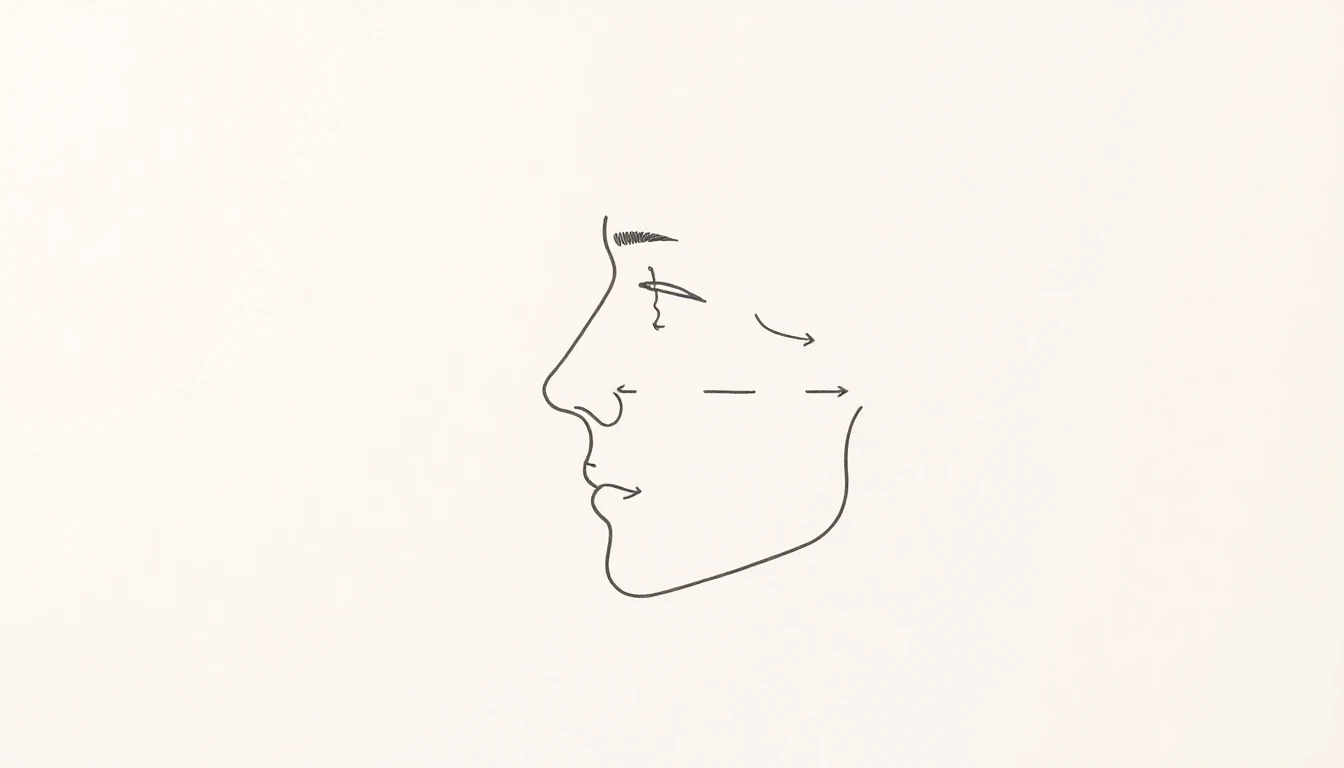
Cheek filler is hyaluronic-acid (HA) injection into the malar (cheek) region to restore lost volume, improve cheek projection, and provide indirect support to the lower face. As a Schedule 4 prescription product, cheek filler must be prescribed by an AHPRA-registered medical practitioner and administered by registered nurses or doctors working within their scope.
By the numbers — Victoria
Numbers reflect this directory's coverage of Victoria at build time. Costs are typical Australian ranges; recovery is the median for this procedure type. AHPRA-compliant illustration only — no patient depiction.
Local context
Melbourne accounts for roughly 80% of Victorian cosmetic surgery activity, with Geelong serving the Surf Coast, the Bellarine Peninsula, and parts of the Western District. The VIC market is more academically-oriented than NSW, with several Melbourne-based FRACS plastic surgeons holding teaching appointments at the Royal Melbourne Hospital, the Royal Children's Hospital, the Alfred Hospital, or Monash Health. Pricing in Melbourne is broadly comparable to Sydney; Geelong is typically 5–15% lower for surgical work.
Victorian practitioners are bound by the same federal AHPRA cosmetic-advertising reforms introduced in July 2023 (testimonial restrictions, cooling-off periods, the 'cosmetic surgeon' versus 'specialist plastic surgeon' distinction). Victoria also operates a state-level private health-facility licensing scheme via the Department of Health — most procedures performed under sedation or general anaesthesia must occur in a licensed Day Procedure Centre or hospital. The Health Complaints Commissioner (HCC Victoria) handles state-level patient complaints in addition to AHPRA's national process. Victoria has been particularly active in regulating non-surgical providers via the 2024–2025 AHPRA reforms.
Every clinic offering cheek filler in Victoria
Premium and verified clinics appear first. Each card links through to the clinic's full profile.
South Yarra, South Yarra VIC 3141
Vis à Vis Cosmetic is a non-surgical cosmetic practice located in South Yarra. Details sourced from public listings and pending independent verification.

Port Melbourne, Port Melbourne VIC 3207
Dermaq Port Melbourne is a non-surgical cosmetic practice located in Port Melbourne. Details sourced from public listings and pending independent verification.

Prahran, Prahran VIC 3181
Chapel Cosmetics: Cosmetic Injectables Melbourne is a non-surgical cosmetic practice located in Prahran. Details sourced from public listings and pending independent verification.

Carlton, Carlton VIC 3053
Melbourne Cosmetic Medicine is a non-surgical cosmetic practice located in Carlton. Details sourced from public listings and pending independent verification.

Moonee Ponds, Moonee Ponds VIC 3039
Luxe Lips Cosmetic Clinic Moonee Ponds is a non-surgical cosmetic practice located in Moonee Ponds. Details sourced from public listings and pending independent verification.

Camberwell, Camberwell VIC 3124
Luxe Lips Cosmetic Clinic Camberwell is a non-surgical cosmetic practice located in Camberwell. Details sourced from public listings and pending independent verification.

Bundoora, Bundoora VIC 3083
Cosmetic Clinique is a non-surgical cosmetic practice located in Bundoora. Details sourced from public listings and pending independent verification.

Melbourne, Melbourne VIC 3000
M1 Med Beauty is a non-surgical cosmetic practice located in Melbourne. Details sourced from public listings and pending independent verification.

Melbourne, Melbourne VIC 3000
Collins Cosmetic Clinic is a non-surgical cosmetic practice located in Melbourne. Details sourced from public listings and pending independent verification.

North Adelaide, North Adelaide SA 5006
Cosmetique® North Adelaide – Cosmetic & Laser Clinic is a non-surgical cosmetic practice located in North Adelaide. Details sourced from public listings and pending independent verification.

Ascot Vale, Ascot Vale VIC 3032
Charlie Ralph Cosmetic Clinic Melbourne is a non-surgical cosmetic practice located in Ascot Vale. Details sourced from public listings and pending independent verification.

Richmond, Richmond VIC 3121
Suede Clinic Melbourne is a non-surgical cosmetic practice located in Richmond. Details sourced from public listings and pending independent verification.

Belmont, Belmont VIC 3216
Skin Society Co. is a non-surgical cosmetic practice located in Belmont. Details sourced from public listings and pending independent verification.

Geelong West, Geelong West VIC 3218
Enhance by Maddie is a non-surgical cosmetic practice located in Geelong West. Details sourced from public listings and pending independent verification.

Geelong West, Geelong West VIC 3218
The Aesthetic Room Geelong is a non-surgical cosmetic practice located in Geelong West. Details sourced from public listings and pending independent verification.
Geelong West, Geelong West VIC 3218
Rejuvederm Cosmetic Injections is a non-surgical cosmetic practice located in Geelong West. Details sourced from public listings and pending independent verification.

Geelong, Geelong VIC 3220
Bonny Skin is a non-surgical cosmetic practice located in Geelong. Details sourced from public listings and pending independent verification.

Belmont, Belmont VIC 3216
Skin Screen Clinic is a non-surgical cosmetic practice located in Belmont. Details sourced from public listings and pending independent verification.

Geelong, Geelong VIC 3220
The Agency of Skin and Ink is a non-surgical cosmetic practice located in Geelong. Details sourced from public listings and pending independent verification.

Geelong West, Geelong West VIC 3218
Dermaluxe Beauty is a non-surgical cosmetic practice located in Geelong West. Details sourced from public listings and pending independent verification.

Belmont, Belmont VIC 3216
SKIN HEALTH & CANCER GEELONG is a non-surgical cosmetic practice located in Belmont. Details sourced from public listings and pending independent verification.

Hamilton, Hamilton VIC 3300
Tahlia’s Beautyworx is a non-surgical cosmetic practice located in Hamilton. Details sourced from public listings and pending independent verification.

Geelong, Geelong VIC 3220
The Louve Skin Clinic is a non-surgical cosmetic practice located in Geelong. Details sourced from public listings and pending independent verification.
Horsham, Horsham VIC 3400
Salon Mode Skin & Beauty is a non-surgical cosmetic practice located in Horsham. Details sourced from public listings and pending independent verification.
City pages
For city-specific listings — including which non-surgical venues each practice operates from — use the city pages below.
Itemised view of where the $700 – $2,500 typically goes. Quoted prices vary by surgeon experience, hospital, and case complexity — these shares are indicative.
| Component | Typical share | Indicative range |
|---|---|---|
| Practitioner fee | 60% | $400 – $1,500 |
| Product cost | 30% | $200 – $750 |
| Consultation and follow-up | 8% | $50 – $200 |
| Clinic operating cost | 2% | $0 – $50 |
| Total | 100% | $700 – $2,500 |
Source: editorial estimates based on Australian Medical Association advisory notes and publicly disclosed clinic schedules. Actual quotes will vary; ask your surgeon for an itemised written quote before paying any deposit.
A typical recovery curve. Individual recovery varies — confirm specific milestones with your surgeon's post-operative plan.
Day 0
Procedure day.
Day 0
Early recovery.
Day 1
Halfway point.
Day 1
End of standard recovery window.
Day 2
Final result and return to all activities.
How the most-discussed risks for cheek filler sit on a frequency-by-severity grid. All cosmetic procedures carry risk; the goal of this view is to help you ask better consent questions, not to dismiss any single complication as unlikely.
| Frequency \\ Severity | Mild | Moderate | Serious |
|---|---|---|---|
| Common |
| — | — |
| Uncommon | — |
| — |
| Rare | — | — |
|
Frequency and severity classifications are editorial summaries based on Australian Society of Plastic Surgeons consent literature and TGA / AHPRA guidance. Your surgeon should explain each risk individually as part of the formal informed-consent process — this matrix is a starting point for the conversation, not a substitute.
FAQ
Most cheek augmentations use 1–2 mL per side (2–4 mL total). Patients with significant volume loss may need more, often built up over several sessions. Single-syringe 'subtle' enhancement is also reasonable for many patients.
Cheek filler typically lasts 12–18 months in most patients. The cheek is a low-mobility area so filler tends to last longer here than in the lips or perioral region. Some patients see persistence beyond 24 months.
Yes — well-placed cheek filler provides structural support that can subtly improve nasolabial fold and jowl appearance through 'lift', not by directly filling those areas. This is sometimes called the 'liquid facelift' approach when combined with other strategic placements.
Over-filled cheeks ('pillow face' or 'chipmunk cheeks') are the most common issue. This usually reflects too much volume placed too superficially. Conservative, structured placement deep on the periosteum or mid-dermis produces a much more natural result. Be wary of clinics offering large volumes at first appointment.
AHPRA-registered medical practitioners or registered nurses with strong facial-anatomy training. The cheek has critical vascular structures and requires appropriate technique to inject safely. Confirm hyaluronidase availability on-site.
Free · direct to clinic · no broker · AHPRA-verified