
Non-surgical 5 (218)
Cooks Hill, Cooks Hill NSW 2300
Your Cosmetic Intelligence is a non-surgical cosmetic practice located in Cooks Hill. Details sourced from public listings and pending independent verification.
An independent directory of AHPRA-registered clinics
Non-surgical procedure · Newcastle, NSW
Dermal fillers are injectable hyaluronic-acid gels used to restore volume, smooth lines, define facial contours, and shape lips. As Schedule 4 prescription products in Australia, fillers must be prescribed by an authorised medical practitioner after a consultation, and may only be administered by appropriately registered practitioners working within their scope. Regulated under the AHPRA cosmetic-injectables advertising guidelines.
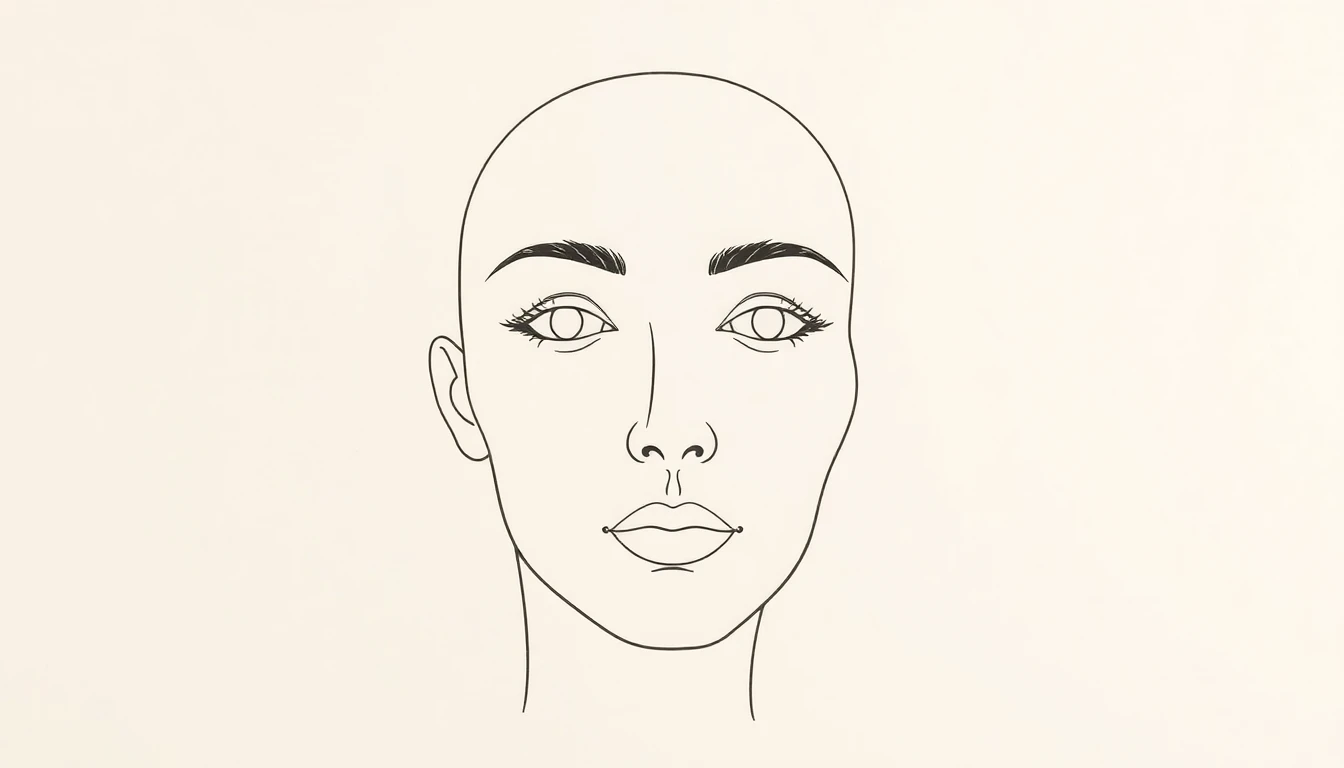
By the numbers — Newcastle
Numbers reflect this directory's coverage of Newcastle, NSW at build time. AHPRA-compliant illustration only — no patient depiction.
Clinics offering dermal fillers
Premium and verified clinics appear first, then everything else. Each card links to the clinic's full profile.
Cooks Hill, Cooks Hill NSW 2300
Your Cosmetic Intelligence is a non-surgical cosmetic practice located in Cooks Hill. Details sourced from public listings and pending independent verification.

New Lambton, New Lambton NSW 2305
Arch Cosmetic Tattooing is a non-surgical cosmetic practice located in New Lambton. Details sourced from public listings and pending independent verification.

Merewether, Merewether NSW 2291
beau aesthetica is a non-surgical cosmetic practice located in Merewether. Details sourced from public listings and pending independent verification.
Newcastle, Newcastle NSW 2300
Refined Clinic is a non-surgical cosmetic practice located in Newcastle. Details sourced from public listings and pending independent verification.

Charlestown, Charlestown NSW 2290
The Injectables Queen is a non-surgical cosmetic practice located in Charlestown. Details sourced from public listings and pending independent verification.

Broadmeadow, Broadmeadow NSW 2292
Newcastle Cosmetic Doctor is a non-surgical cosmetic practice located in Broadmeadow. Details sourced from public listings and pending independent verification.

Warners Bay, Warners Bay NSW 2282
Aesthetics by Maddy-Jane is a non-surgical cosmetic practice located in Warners Bay. Details sourced from public listings and pending independent verification.

Cooks Hill, Cooks Hill NSW 2300
The Beauty Bar is a non-surgical cosmetic practice located in Cooks Hill. Details sourced from public listings and pending independent verification.

Charlestown, Charlestown NSW 2290
Lets Face It Skin and Laser Clinic is a non-surgical cosmetic practice located in Charlestown. Details sourced from public listings and pending independent verification.

Newcastle, Newcastle NSW 2300
Chantilly Skin & Brow Newcastle is a non-surgical cosmetic practice located in Newcastle. Details sourced from public listings and pending independent verification.

Cooks Hill, Cooks Hill NSW 2300
SKiiNsure Laser and Skin Rejuvenation Clinic is a non-surgical cosmetic practice located in Cooks Hill. Details sourced from public listings and pending independent verification.

Merewether, Merewether NSW 2291
The Icon Cosmetic Clinic is a non-surgical cosmetic practice located in Merewether. Details sourced from public listings and pending independent verification.

Cooks Hill, Cooks Hill NSW 2300
Designing Faces is a non-surgical cosmetic practice located in Cooks Hill. Details sourced from public listings and pending independent verification.

Newcastle, Newcastle NSW 2300
Kaia Aesthetics is a non-surgical cosmetic practice located in Newcastle. Details sourced from public listings and pending independent verification.

Cameron Park, Cameron Park NSW 2285
Skinduced Aesthetics Clinic is a non-surgical cosmetic practice located in Cameron Park. Details sourced from public listings and pending independent verification.

Hamilton, Hamilton NSW 2303
Skintifix is a non-surgical cosmetic practice located in Hamilton. Details sourced from public listings and pending independent verification.

Redhead, Redhead NSW 2290
Estetiko Skin and Laser is a non-surgical cosmetic practice located in Redhead. Details sourced from public listings and pending independent verification.

Warners Bay, Warners Bay NSW 2282
SILK Laser Clinics Warners Bay is a non-surgical cosmetic practice located in Warners Bay. Details sourced from public listings and pending independent verification.

Warners Bay, Warners Bay NSW 2282
Cosmetic Rejuvenation Clinic is a non-surgical cosmetic practice located in Warners Bay. Details sourced from public listings and pending independent verification.

Speers Point, Speers Point NSW 2284
Personify Beauty is a non-surgical cosmetic practice located in Speers Point. Details sourced from public listings and pending independent verification.

Eleebana, Eleebana NSW 2282
Brand Aesthetics is a non-surgical cosmetic practice located in Eleebana. Details sourced from public listings and pending independent verification.

New Lambton, New Lambton NSW 2305
Craft Skin Co. is a non-surgical cosmetic practice located in New Lambton. Details sourced from public listings and pending independent verification.

The Junction, The Junction NSW 2291
Aesthetics At Alike is a non-surgical cosmetic practice located in The Junction. Details sourced from public listings and pending independent verification.

Broadmeadow, Broadmeadow NSW 2292
The Aesthetic Collective is a non-surgical cosmetic practice located in Broadmeadow. Details sourced from public listings and pending independent verification.

Newcastle, Newcastle NSW 2300
CIMED Cosmetic Medicine is a non-surgical cosmetic practice located in Newcastle. Details sourced from public listings and pending independent verification.

Boolaroo, Boolaroo NSW 2284
Aspects Of Beauty is a non-surgical cosmetic practice located in Boolaroo. Details sourced from public listings and pending independent verification.

Cooks Hill, Cooks Hill NSW 2300
Laserclear Cosmetic Clinic Newcastle is a non-surgical cosmetic practice located in Cooks Hill. Details sourced from public listings and pending independent verification.

Newcastle, Newcastle NSW 2300
Concept Cosmetic Medicine Newcastle is a non-surgical cosmetic practice located in Newcastle. Details sourced from public listings and pending independent verification.
Toronto, Toronto NSW 2283
Newcastle Skin Check (Toronto) is a non-surgical cosmetic practice located in Toronto. Details sourced from public listings and pending independent verification.

Charlestown, Charlestown NSW 2290
Gorgeous Newcastle | Japanese Head Spa | Massage | Eyelash Extensions | Beauty Salon is a non-surgical cosmetic practice located in Charlestown. Details sourced from public listings and pending independent verification.

Cooks Hill, Cooks Hill NSW 2300
Artisan Aesthetic Clinics Cooks Hill (Formerly Coco Skin Laser Health) is a non-surgical cosmetic practice located in Cooks Hill. Details sourced from public listings and pending independent verification.

Charlestown, Charlestown NSW 2290
Body Sculpting Clinics - Charlestown is a non-surgical cosmetic practice located in Charlestown. Details sourced from public listings and pending independent verification.

Newcastle, Newcastle NSW 2300
My Cosmetic Clinic | Cosmetic Consultations – Newcastle is a non-surgical cosmetic practice located in Newcastle. Details sourced from public listings and pending independent verification.

The Junction, The Junction NSW 2291
You By Dr Shauna Watts is a non-surgical cosmetic practice located in The Junction. Details sourced from public listings and pending independent verification.

Lakelands, Lakelands NSW 2282
The Mayah Clinic is a non-surgical cosmetic practice located in Lakelands. Details sourced from public listings and pending independent verification.

New Lambton, New Lambton NSW 2305
Rejuv Skin and Body is a non-surgical cosmetic practice located in New Lambton. Details sourced from public listings and pending independent verification.

Teralba, Teralba NSW 2284
cosmetic body Clinics is a non-surgical cosmetic practice located in Teralba. Details sourced from public listings and pending independent verification.

Charlestown, Charlestown NSW 2290
Hunter Coast Dermatology & Laser is a dermatology cosmetic practice located in Charlestown. Details sourced from public listings and pending independent verification.

Charlestown, Charlestown NSW 2290
Evolution Laser Clinic Charlestown is a non-surgical cosmetic practice located in Charlestown. Details sourced from public listings and pending independent verification.

Newcastle West, Newcastle West NSW 2302
Vamp Cosmetic Clinic is a non-surgical cosmetic practice located in Newcastle West. Details sourced from public listings and pending independent verification.

Charlestown, Charlestown NSW 2290
SILK Laser Clinics Charlestown is a non-surgical cosmetic practice located in Charlestown. Details sourced from public listings and pending independent verification.

Merewether, Merewether NSW 2291
Sensational Skin Care is a non-surgical cosmetic practice located in Merewether. Details sourced from public listings and pending independent verification.
New Lambton, New Lambton NSW 2305
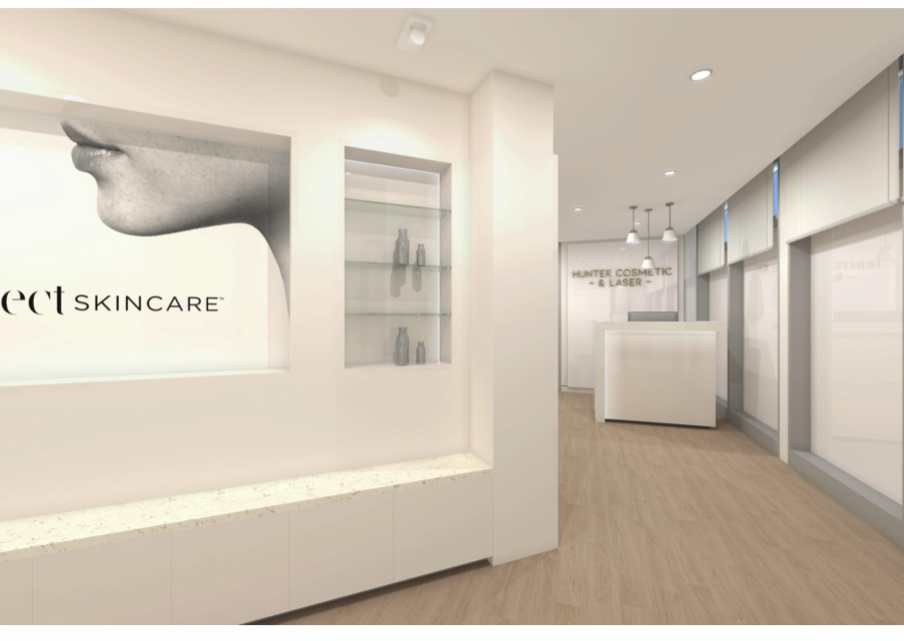
Hunter Cosmetic And Laser is a non-surgical cosmetic practice located in New Lambton. Details sourced from public listings and pending independent verification.

Newcastle, Newcastle NSW 2300
Nouvelle Cosmetics is a non-surgical cosmetic practice located in Newcastle. Details sourced from public listings and pending independent verification.

Charlestown, Charlestown NSW 2290
Laser Clinics Australia - Charlestown Square is a non-surgical cosmetic practice located in Charlestown. Details sourced from public listings and pending independent verification.

Charlestown, Charlestown NSW 2290
Newcastle Skin Check is a non-surgical cosmetic practice located in Charlestown. Details sourced from public listings and pending independent verification.

Kotara, Kotara NSW 2289
Laser Clinics Australia - Kotara Westfield is a non-surgical cosmetic practice located in Kotara. Details sourced from public listings and pending independent verification.

New Lambton, New Lambton NSW 2305
New Generation Hair Laser Clinics is a non-surgical cosmetic practice located in New Lambton. Details sourced from public listings and pending independent verification.

The Junction, The Junction NSW 2300
Ashley and Martin is a non-surgical cosmetic practice located in The Junction. Details sourced from public listings and pending independent verification.

Cooks Hill, Cooks Hill NSW 2300
Advanced Hair Studio is a non-surgical cosmetic practice located in Cooks Hill. Details sourced from public listings and pending independent verification.

Warners Bay, Warners Bay NSW 2282
HAUS OF AESTHETICS AU is a non-surgical cosmetic practice located in Warners Bay. Details sourced from public listings and pending independent verification.
Kotara, Kotara NSW 2289
Cosmetic Medicine Caves Beach & Kotara is a non-surgical cosmetic practice located in Kotara. Details sourced from public listings and pending independent verification.

New Lambton, New Lambton NSW 2305
Fierce Hair Growth - Newcastle is a non-surgical cosmetic practice located in New Lambton. Details sourced from public listings and pending independent verification.
Newcastle, Newcastle NSW 2300
New Image Hair Systems is a non-surgical cosmetic practice located in Newcastle. Details sourced from public listings and pending independent verification.
Procedure guide
Dermal fillers are gel-based injectable products used to restore volume that has been lost through ageing, augment naturally less-volumised areas (lips, cheeks, chin, jawline), and smooth specific lines and folds. The vast majority of fillers used in Australia are hyaluronic-acid (HA) products — Juvederm, Restylane, Belotero and others — chosen because HA is naturally found in the skin, is reversible with hyaluronidase, and has a well-established safety profile when injected by trained practitioners.
After a medical consultation including review of medications, allergies, and goals, the injector marks the treatment areas, cleans the skin, and injects the filler at the appropriate tissue plane using either a sharp needle or a blunt-tip cannula (cannulas reduce the risk of vascular occlusion and bruising in many areas). Treatment time is typically 15–45 minutes. Some swelling and minor bruising are normal for 1–7 days. The result is immediately visible but settles over 2 weeks.
Adults seeking volume restoration, contour refinement or lip enhancement, with realistic expectations and no contraindications (pregnancy, breastfeeding, active skin infection in the area, certain autoimmune conditions, recent dental work). Patients with a history of severe filler-related complications elsewhere should disclose this. Patients with body dysmorphic disorder are not appropriate candidates.
Newcastle context
Newcastle is the second-largest cosmetic and plastic surgery market in NSW after Sydney, with established FRACS plastic surgery practices serving the Hunter region, the Central Coast, and parts of the Mid North Coast. The market is more conservative and reconstructive-oriented than Sydney, partly because most local surgeons hold dual public/private appointments at John Hunter Hospital — a major NSW teaching hospital. Cosmetic-only and non-surgical practices are clustered in Hamilton, Newcastle West, Charlestown, and Warners Bay. For patients who would otherwise travel to Sydney, Newcastle often offers comparable quality, easier consultation availability, and a slightly lower fee profile.
Common surgical venues for cosmetic and plastic surgery in Newcastle include Lake Macquarie Private Hospital (Gateshead), Hunter Valley Private Hospital, and Newcastle Private Hospital (New Lambton). Several plastic surgery practices operate ACHS-accredited day-surgery suites in Hamilton, Charlestown, and along Pacific Highway. John Hunter Hospital (public) provides tertiary backup and is a key reason that Newcastle plastic surgeons often have strong reconstructive capability — useful continuity for revision or complication management.
Newcastle attracts patients from across the Hunter, the Central Coast, the Mid North Coast, and inland regional NSW. Sydney patients occasionally travel to Newcastle for specific surgeons, particularly when consultation wait times in Sydney are long. Travel from Sydney is straightforward via the M1 motorway (about 2 hours by car) or train. Pricing is typically slightly lower than Sydney for surgical procedures and comparable for non-surgical work.
Newcastle Airport (Williamtown) is 30 minutes from the central clinic clusters; Sydney Airport is reached in 2 hours by car, train, or shuttle. Hamilton, Cooks Hill, and Newcastle West are walkable from the CBD and well served by the Newcastle light rail. Outer practices in Charlestown, Warners Bay and Lambton are best reached by car. On-site parking is widely available. The temperate coastal climate is generally favourable for surgical recovery year-round, though summer humidity matters for body-procedure aftercare.
Cost factors
Single-syringe lip filler typically $400–$700 in Australia. Cheek augmentation: $1,200–$2,500 (often 2 syringes). Full-face liquid rejuvenation: $3,000–$5,000+ over multiple syringes. Pricing is by syringe and varies with the product and the practitioner's experience. Be cautious of clinics offering pricing far below market — these often use lower-grade products, cut consultation time, or under-prescribe.
Itemised view of where the $400 – $5,000 typically goes. Quoted prices vary by surgeon experience, hospital, and case complexity — these shares are indicative.
| Component | Typical share | Indicative range |
|---|---|---|
| Practitioner fee | 60% | $250 – $3,000 |
| Product cost | 30% | $100 – $1,500 |
| Consultation and follow-up | 8% | $50 – $400 |
| Clinic operating cost | 2% | $0 – $100 |
| Total | 100% | $400 – $5,000 |
Source: editorial estimates based on Australian Medical Association advisory notes and publicly disclosed clinic schedules. Actual quotes will vary; ask your surgeon for an itemised written quote before paying any deposit.
A typical recovery curve. Individual recovery varies — confirm specific milestones with your surgeon's post-operative plan.
Day 0
Procedure day.
Day 0
Early recovery.
Day 1
Halfway point.
Day 1
End of standard recovery window.
Day 2
Final result and return to all activities.
Recovery + practitioner
Minimal downtime. Mild swelling and bruising for 1–7 days. Avoid strenuous exercise, alcohol, and very hot environments for 24 hours. Avoid massaging or pressing on the treated area for two weeks. Final result settles at two weeks.
Confirm AHPRA registration of both the prescriber and the injector. Ask about hyaluronidase availability and training in vascular-event management. Ask to see the practitioner's own results, ideally including 'before' and 'two weeks after' photos rather than 'immediately after' (which always look fuller from swelling). Look for a practice that does not use price as its primary marketing message.
How the most-discussed risks for dermal fillers sit on a frequency-by-severity grid. All cosmetic procedures carry risk; the goal of this view is to help you ask better consent questions, not to dismiss any single complication as unlikely.
| Frequency \\ Severity | Mild | Moderate | Serious |
|---|---|---|---|
| Common |
| — | — |
| Uncommon | — |
| — |
| Rare | — | — |
|
Frequency and severity classifications are editorial summaries based on Australian Society of Plastic Surgeons consent literature and TGA / AHPRA guidance. Your surgeon should explain each risk individually as part of the formal informed-consent process — this matrix is a starting point for the conversation, not a substitute.
FAQ
Most hyaluronic-acid fillers last 6–18 months depending on the product, the area injected, and individual metabolism. Lip fillers typically last 6–9 months; cheek fillers 12–18 months. Permanent or semi-permanent fillers (silicone, calcium hydroxylapatite) are not appropriate for most cosmetic indications and carry materially higher complication rates.
Vascular occlusion — accidental injection into an artery — can cause skin necrosis or, in rare cases involving the supraorbital or angular vessels, permanent vision loss. The risk is mitigated by injector technique (aspiration, slow injection, low pressure), facial-anatomy training, and on-site availability of hyaluronidase to dissolve product if a vascular event is suspected. Confirm your injector has hyaluronidase available and knows how to use it.
Fillers (Schedule 4 prescription products) require prescription by an Australian medical practitioner or nurse practitioner. They can be administered by registered nurses, doctors, or medical practitioners working under appropriate prescription. Beauty therapists cannot legally inject fillers. Always confirm AHPRA registration of both the prescriber and the injector.
Hyaluronidase dissolves HA fillers and is used either to manage complications (vascular event, lumps, dissatisfaction) or to reset over-treated faces. Many practitioners and patients are increasingly using dissolving as a corrective tool for over-filled appearances. Most clinics offer dissolving as a separate service.
From October 2024, AHPRA tightened guidelines so that cosmetic injectable procedures on patients under 18 should generally not be performed except for clear clinical indications (cleft lip and palate, severe scarring, etc.). Reputable Australian practices do not perform cosmetic injectables on minors.
Compare nearby
Free · direct to clinic · no broker · AHPRA-verified