Surgical practice
Edgecliff, Edgecliff NSW 2027
East Sydney ENT is a surgical cosmetic practice located in Edgecliff. Details sourced from public listings and pending independent verification.
An independent directory of AHPRA-registered clinics
Surgical procedure · Sydney, NSW
Otoplasty is surgery to reshape or reposition the cartilage of the external ear, most commonly to address prominent ears (those that project more than 20mm from the side of the head) or asymmetry. Performed under local anaesthesia with sedation or general anaesthesia depending on patient age, it is regulated under the AHPRA July 2023 cosmetic-advertising guidelines.
By the numbers — Sydney
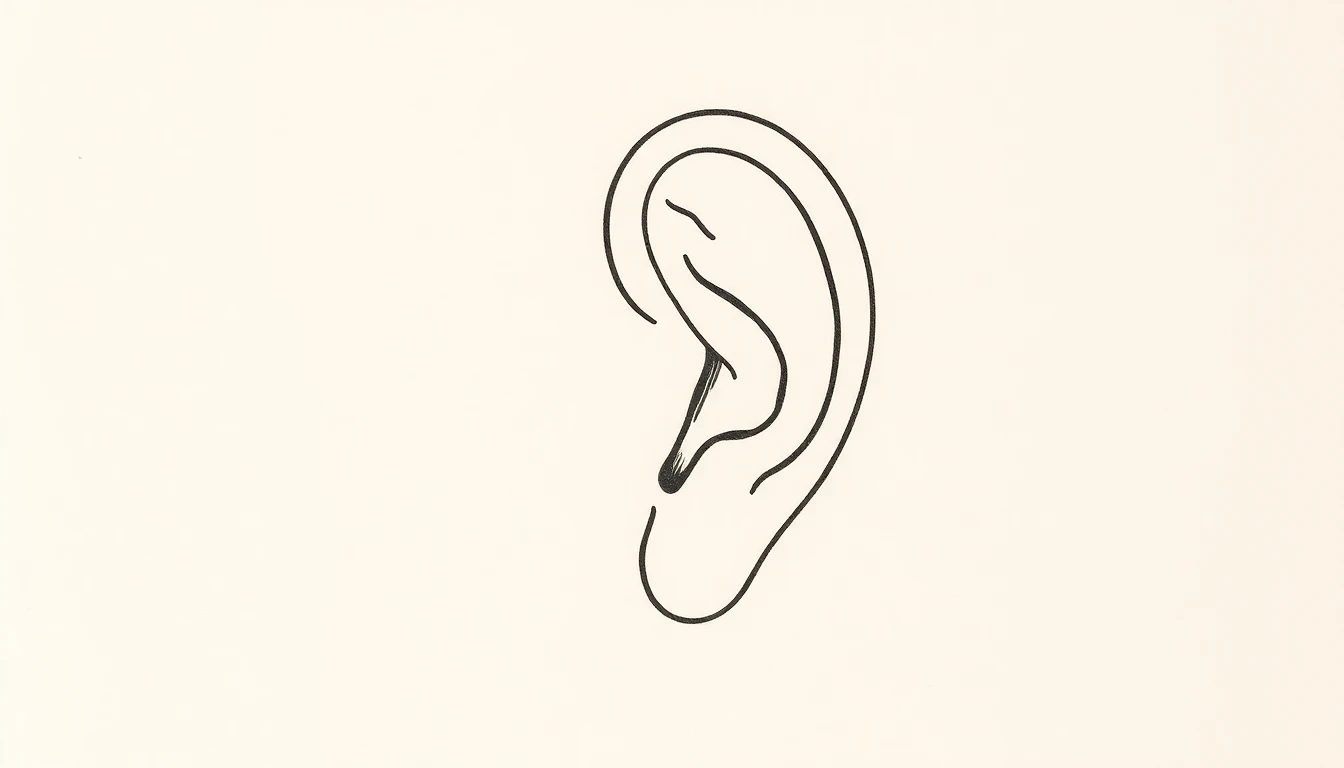
Numbers reflect this directory's coverage of Sydney, NSW at build time. AHPRA-compliant illustration only — no patient depiction.
Clinics offering otoplasty (ear pinning)
Premium and verified clinics appear first, then everything else. Each card links to the clinic's full profile.
Edgecliff, Edgecliff NSW 2027
East Sydney ENT is a surgical cosmetic practice located in Edgecliff. Details sourced from public listings and pending independent verification.

Gledswood Hills, Gledswood Hills NSW 2557
Dr Michael Kernohan FRACS (Plast) - Pure Visage Specialist Plastic Surgery is a surgical cosmetic practice located in Gledswood Hills. Details sourced from public listings and pending independent verification.

Double Bay, Double Bay NSW 2028
Dr Kourosh Tavakoli is a surgical cosmetic practice located in Double Bay. Details sourced from public listings and pending independent verification.

St Leonards, St Leonards NSW 2065
The Plastic Surgery Clinic & Medispa is a surgical cosmetic practice located in St Leonards. Details sourced from public listings and pending independent verification.
Bella Vista, Bella Vista NSW 2153
Bella Plastic Surgery is a surgical cosmetic practice located in Bella Vista. Details sourced from public listings and pending independent verification.

Edgecliff, Edgecliff NSW 2027
Dr Mohaghegh | Specialist Plastic Surgeon is a surgical cosmetic practice located in Edgecliff. Details sourced from public listings and pending independent verification.

Glebe, Glebe NSW 2037
Sydney Plastic Surgery® - Dr Barnouti is a surgical cosmetic practice located in Glebe. Details sourced from public listings and pending independent verification.
St Leonards, St Leonards NSW 2065
A/Professor Bish Soliman - Sydney Plastic & Cosmetic Surgeon is a surgical cosmetic practice located in St Leonards. Details sourced from public listings and pending independent verification.

Parramatta, Parramatta NSW 2150
Sydney Plastic Surgeon - Dr Laith Barnouti is a surgical cosmetic practice located in Parramatta. Details sourced from public listings and pending independent verification.

Bondi Junction, Bondi Junction NSW 2022
Dr Robert Drielsma is a surgical cosmetic practice located in Bondi Junction. Details sourced from public listings and pending independent verification.

Northbridge, Northbridge NSW 2063
Asian Plastic Surgery Sydney is a surgical cosmetic practice located in Northbridge. Details sourced from public listings and pending independent verification.

Woolloomooloo, Woolloomooloo NSW 2011
Sydney Breast & Cosmetic Surgery is a surgical cosmetic practice located in Woolloomooloo. Details sourced from public listings and pending independent verification.

St Leonards, St Leonards NSW 2065
Panthea Clinics Sydney Plastic Surgery is a surgical cosmetic practice located in St Leonards. Details sourced from public listings and pending independent verification.

Sydney, Sydney NSW 2000
Breast Excellence is a surgical cosmetic practice located in Sydney. Details sourced from public listings and pending independent verification.

St Leonards, St Leonards NSW 2065
The Australian Society of Plastic Surgeons is a surgical cosmetic practice located in St Leonards. Details sourced from public listings and pending independent verification.
Miranda, Miranda NSW 2228
AU Rhinoplasty Sydney is a surgical cosmetic practice located in Miranda. Details sourced from public listings and pending independent verification.

Randwick, Randwick NSW 2031
Dr Marc Langbart is a surgical cosmetic practice located in Randwick. Details sourced from public listings and pending independent verification.

Surry Hills, Surry Hills NSW 2010
Sydney Body Contouring is a surgical cosmetic practice located in Surry Hills. Details sourced from public listings and pending independent verification.

Pymble, Pymble NSW 2073
Pymble Dermatology is a dermatology cosmetic practice located in Pymble. Details sourced from public listings and pending independent verification.

Eastwood, Eastwood SA 5063
GRIP Hand, Wrist and Reconstructive Surgery - Adelaide SA is a surgical cosmetic practice located in Eastwood. Details sourced from public listings and pending independent verification.

Northbridge, Northbridge NSW 2063
Sydney Plastic Surgeon - Dr Ellis Choy is a surgical cosmetic practice located in Northbridge. Details sourced from public listings and pending independent verification.

Bella Vista, Bella Vista NSW 2153
Dr Eddy Dona is a surgical cosmetic practice located in Bella Vista. Details sourced from public listings and pending independent verification.

Hawthorn East, Hawthorn East VIC 3123
Coco Ruby Plastic Surgery is a surgical cosmetic practice located in Hawthorn East. Details sourced from public listings and pending independent verification.

Bondi Junction, Bondi Junction NSW 2022
Dr. Michael Miroshnik is a surgical cosmetic practice located in Bondi Junction. Details sourced from public listings and pending independent verification.

Hawthorn East, Hawthorn East VIC 3123
Dr Craig Rubinstein - Specialist Plastic Surgeon is a surgical cosmetic practice located in Hawthorn East. Details sourced from public listings and pending independent verification.

Randwick, Randwick NSW 2031
Dr Kevin Ho is a surgical cosmetic practice located in Randwick. Details sourced from public listings and pending independent verification.

Bondi Junction, Bondi Junction NSW 2022
Dr Naveen Somia is a surgical cosmetic practice located in Bondi Junction. Details sourced from public listings and pending independent verification.

Wahroonga, Wahroonga NSW 2076
Dr Gillian Dunlop - ENT Specialist and Rhinoplasty Surgeon is a surgical cosmetic practice located in Wahroonga. Details sourced from public listings and pending independent verification.

Sydney, Sydney NSW 2000
QuaysideSpecialists is a surgical cosmetic practice located in Sydney. Details sourced from public listings and pending independent verification.

Bondi Junction, Bondi Junction NSW 2022
Artiste Plastic Surgery - Dr. Jack Zoumaras is a surgical cosmetic practice located in Bondi Junction. Details sourced from public listings and pending independent verification.
Surry Hills, Surry Hills NSW 2010
Dr Pouria Moradi is a surgical cosmetic practice located in Surry Hills. Details sourced from public listings and pending independent verification.

Sydney, Sydney NSW 2000
Pure Aesthetics is a surgical cosmetic practice located in Sydney. Details sourced from public listings and pending independent verification.

Burwood, Burwood NSW 2134
Zen Medispa is a surgical cosmetic practice located in Burwood. Details sourced from public listings and pending independent verification.

Hawthorn, Hawthorn VIC 3122
Dr. Vladimir Milovic is a surgical cosmetic practice located in Hawthorn. Details sourced from public listings and pending independent verification.

Woollahra, Woollahra NSW 2025
Dr Scott J Turner - Plastic Surgeon Bondi Junction is a surgical cosmetic practice located in Woollahra. Details sourced from public listings and pending independent verification.

Castle Hill, Castle Hill NSW 2154
Dr Jake Lim is a surgical cosmetic practice located in Castle Hill. Details sourced from public listings and pending independent verification.

Parramatta, Parramatta NSW 2150
Sydney Plastic Surgery®- Parramatta is a surgical cosmetic practice located in Parramatta. Details sourced from public listings and pending independent verification.

Manly, Manly NSW 2095
Dr Scott J Turner - Plastic Surgeon Manly is a surgical cosmetic practice located in Manly. Details sourced from public listings and pending independent verification.

Northbridge, Northbridge NSW 2063
Northern Sydney Dermatology & Laser is a dermatology cosmetic practice located in Northbridge. Details sourced from public listings and pending independent verification.

Belrose, Belrose NSW 2085
Northern Beaches Cosmetic Surgery, Sydney is a surgical cosmetic practice located in Belrose. Details sourced from public listings and pending independent verification.

Double Bay, Double Bay NSW 2028
One Cosmetic is a surgical cosmetic practice located in Double Bay. Details sourced from public listings and pending independent verification.

Surry Hills, Surry Hills NSW 2010
Dr Alex Phoon - Cosmetic Plastic Surgeon is a surgical cosmetic practice located in Surry Hills. Details sourced from public listings and pending independent verification.

Glebe, Glebe NSW 2037
Dr Mark Kohout - Specialist Plastic Surgeon is a surgical cosmetic practice located in Glebe. Details sourced from public listings and pending independent verification.
Randwick, Randwick NSW 2031
Liposuction Sydney - Levant Cosmetic Surgery is a surgical cosmetic practice located in Randwick. Details sourced from public listings and pending independent verification.

Sydney, Sydney NSW 2000
Central Sydney Dermatology is a dermatology cosmetic practice located in Sydney. Details sourced from public listings and pending independent verification.

Woollahra, Woollahra NSW 2027
Dr Jeremy Hunt - Sydney Specialist Plastic Surgeon is a surgical cosmetic practice located in Woollahra. Details sourced from public listings and pending independent verification.

Bondi Junction, Bondi Junction NSW 2022
Dr Benjamin Norris - Sydney Plastic Surgeon is a surgical cosmetic practice located in Bondi Junction. Details sourced from public listings and pending independent verification.

Sydney, Sydney NSW 2000
Dr Angelo Tsirbas is a surgical cosmetic practice located in Sydney. Details sourced from public listings and pending independent verification.

Darlinghurst, Darlinghurst NSW 2010
Shape Clinic is a surgical cosmetic practice located in Darlinghurst. Details sourced from public listings and pending independent verification.

Bondi Junction, Bondi Junction NSW 2022
Dr George Marcells is a surgical cosmetic practice located in Bondi Junction. Details sourced from public listings and pending independent verification.

Double Bay, Double Bay NSW 2028
Dr Joseph Rizk - Plastic Surgeon is a surgical cosmetic practice located in Double Bay. Details sourced from public listings and pending independent verification.
Glenelg, Glenelg SA 5045
Dr Yugesh Caplash is a surgical cosmetic practice located in Glenelg. Details sourced from public listings and pending independent verification.

Woollahra, Woollahra NSW 2025
DrShahidi is a surgical cosmetic practice located in Woollahra. Details sourced from public listings and pending independent verification.

Glebe, Glebe NSW 2037
Australia Plastic Surgery is a surgical cosmetic practice located in Glebe. Details sourced from public listings and pending independent verification.

Darlinghurst, Darlinghurst NSW 2010
The Skin Hospital is a dermatology cosmetic practice located in Darlinghurst. Details sourced from public listings and pending independent verification.

Sydney, Sydney NSW 2000
Sydney Cosmetic & Plastic Surgery Clinic is a surgical cosmetic practice located in Sydney. Details sourced from public listings and pending independent verification.

Sydney, Sydney NSW 2000
ICCM - Hair Transplant and Cosmetic Surgery Sydney CBD is a surgical cosmetic practice located in Sydney. Details sourced from public listings and pending independent verification.

North Sydney, North Sydney NSW 2060
Dermatology North Sydney is a dermatology cosmetic practice located in North Sydney. Details sourced from public listings and pending independent verification.
Darlinghurst, Darlinghurst NSW 2010
Aesthetic Dermatology is a dermatology cosmetic practice located in Darlinghurst. Details sourced from public listings and pending independent verification.
Sydney, Sydney NSW 2000
Esteem Aesthetics is a surgical cosmetic practice located in Sydney. Details sourced from public listings and pending independent verification.
Barton, Barton ACT 2600
Dr Tony Tonks - Canberra Plastic Surgery is a surgical cosmetic practice located in Barton. Details sourced from public listings and pending independent verification.

Sydney, Sydney NSW 2000
Dr. Steve Merten is a surgical cosmetic practice located in Sydney. Details sourced from public listings and pending independent verification.

The Junction, The Junction NSW 2291
Dr Kirstin Miteff is a surgical cosmetic practice located in The Junction. Details sourced from public listings and pending independent verification.

Surry Hills, Surry Hills NSW 2010
Ashbrooke Cosmetic Surgery - Liposuction in Sydney is a surgical cosmetic practice located in Surry Hills. Details sourced from public listings and pending independent verification.

The Junction, The Junction NSW 2291
ASPIRE Plastic Surgery is a surgical cosmetic practice located in The Junction. Details sourced from public listings and pending independent verification.

Chatswood, Chatswood NSW 2067
Cosmetic Eyelid Surgery Sydney is a surgical cosmetic practice located in Chatswood. Details sourced from public listings and pending independent verification.
Gateshead, Gateshead NSW 2290
Dr Scott Cairns is a surgical cosmetic practice located in Gateshead. Details sourced from public listings and pending independent verification.

Ashfield, Ashfield NSW 2131
Cosmetic Evolutio is a surgical cosmetic practice located in Ashfield. Details sourced from public listings and pending independent verification.

Sydney, Sydney NSW 2000
Dr. Dash is a surgical cosmetic practice located in Sydney. Details sourced from public listings and pending independent verification.

Bondi Junction, Bondi Junction NSW 2022
Dr. Breast Augmentation Sydney is a surgical cosmetic practice located in Bondi Junction. Details sourced from public listings and pending independent verification.
Bella Vista, Bella Vista NSW 2153
TUMMY TUCK is a surgical cosmetic practice located in Bella Vista. Details sourced from public listings and pending independent verification.
Procedure guide
Otoplasty addresses the appearance of the external ear — most commonly correcting prominence (where the conchal bowl is over-developed and/or the antihelical fold is poorly formed). Less commonly the procedure addresses ear asymmetry, lobule deformities, or post-traumatic shape changes. It is one of the few cosmetic procedures routinely performed on children, where psychological benefit during school years is well documented.
An incision is made behind the ear in the natural sulcus. The cartilage is exposed, and shape is corrected using a combination of permanent retention sutures (Mustardé sutures to recreate the antihelical fold, Furnas sutures to set back the conchal bowl) and limited cartilage scoring or excision where indicated. Skin is closed with absorbable sutures. A bulky dressing is worn for the first week, followed by a headband at night for several weeks.
Children from around age 5–6 with established prominent-ear deformity, and adults seeking correction at any age. Patients with active eczema or skin infection in the area need this resolved first. Patients with body dysmorphic disorder are not appropriate candidates.
Sydney context
Sydney holds the highest density of specialist plastic surgeons (FRACS) in Australia, partly because two of the country's largest plastic-surgery training programs are based at Sydney teaching hospitals. The market is mature and segmented: long-established practices on the Lower North Shore and in the CBD focus on reconstructive and high-complexity work, while a newer generation of CBD and Eastern Suburbs cosmetic clinics target rhinoplasty, breast aesthetic surgery, and combination 'mommy makeover' procedures. Non-surgical injectable practice in Sydney is similarly mature, with medispa operators clustered in Paddington, Surry Hills, and the Northern Beaches alongside doctor-led clinics. Patients can typically secure consultations within two to four weeks for routine procedures and four to eight weeks for high-volume rhinoplasty surgeons.
Most surgical cosmetic procedures in Sydney are performed at private hospitals or at accredited day-surgery facilities. The major networks used by cosmetic and plastic surgeons include Mater Hospital North Sydney, Macquarie University Hospital in Macquarie Park, St Vincent's Private in Darlinghurst, North Shore Private at St Leonards, and Norwest Private in the Hills District. Several specialist plastic surgeons also operate at their own dedicated, ACHS-accredited day-surgery suites in Bondi Junction, Edgecliff, and the CBD. Confirm hospital privileges and facility accreditation in writing before booking surgery.
Sydney attracts a steady stream of interstate patients, particularly from Brisbane, Adelaide, Hobart, and regional NSW, drawn by surgeon-specific reputation rather than price (Sydney is rarely the cheapest market). Practices that take regular interstate cases generally bundle accommodation guidance, post-operative review scheduling, and a written interstate-care plan. If you are flying for surgery, allow at least 7 days locally before flying home for most surgical procedures (longer for rhinoplasty and breast surgery), and confirm what the surgeon will charge for a video review at week 6 vs an in-person review.
Most Sydney cosmetic and plastic surgery practices are within a 15-minute taxi or ferry ride of either Sydney Airport or Central Station. The CBD and Eastern Suburbs clusters are well served by the T8 Eastern Suburbs Line and the new L2/L3 light rail. Ample on-site or nearby paid parking is the norm in North Shore practices; CBD locations are typically public-transport-only. If you are recovering at a hotel rather than at home, book accommodation within walking distance of your surgeon's post-operative review address.
Cost factors
Typical Australian cost is $4,000–$6,000 under local anaesthesia in adults, $6,000–$9,000 under general anaesthesia (more common for children). Bilateral correction is included; unilateral surgery is rarely appropriate because matching an existing ear is harder than reshaping both.
Itemised view of where the $4,000 – $9,000 typically goes. Quoted prices vary by surgeon experience, hospital, and case complexity — these shares are indicative.
| Component | Typical share | Indicative range |
|---|---|---|
| Surgeon fee | 50% | $2,000 – $4,500 |
| Anaesthetist fee | 12% | $500 – $1,100 |
| Hospital or day-surgery fee | 25% | $1,000 – $2,250 |
| Garments and supplies | 3% | $100 – $250 |
| Follow-up and reviews | 5% | $200 – $450 |
| Pathology, imaging, and other | 5% | $200 – $450 |
| Total | 100% | $4,000 – $9,000 |
Source: editorial estimates based on Australian Medical Association advisory notes and publicly disclosed clinic schedules. Actual quotes will vary; ask your surgeon for an itemised written quote before paying any deposit.
A typical recovery curve. Individual recovery varies — confirm specific milestones with your surgeon's post-operative plan.
Day 0
Procedure day.
Day 4
Early recovery.
Day 7
Halfway point.
Day 14
End of standard recovery window.
Day 28
Final result and return to all activities.
Recovery + practitioner
A bulky dressing for 5–7 days; mild bruising and swelling for 1–2 weeks. Most adults return to desk work after 5–7 days. Children return to school after 1–2 weeks but may need to skip contact sport for 6 weeks. A headband worn at night for 4–6 weeks reduces the chance of recurrence while sutures bed in.
Specialist Plastic Surgeon or Specialist ENT registration confirmed on the AHPRA register. Ask about annual otoplasty volume — this is a low-volume procedure for many practitioners and a small number of cases per year is reasonable; a surgeon performing more than 20 a year is well experienced. Ask to see un-retouched photos taken at consistent angles.
How the most-discussed risks for otoplasty (ear pinning) sit on a frequency-by-severity grid. All cosmetic procedures carry risk; the goal of this view is to help you ask better consent questions, not to dismiss any single complication as unlikely.
| Frequency \\ Severity | Mild | Moderate | Serious |
|---|---|---|---|
| Common | — | — | — |
| Uncommon | — |
| — |
| Rare | — | — |
|
Frequency and severity classifications are editorial summaries based on Australian Society of Plastic Surgeons consent literature and TGA / AHPRA guidance. Your surgeon should explain each risk individually as part of the formal informed-consent process — this matrix is a starting point for the conversation, not a substitute.
AHPRA registration is the baseline credential check for any cosmetic procedure in Australia. The five steps below take roughly two minutes and are the single most important due-diligence step before paying a deposit.
Open the AHPRA register
AHPRA publishes a free public register of every registered medical practitioner in Australia. Open the official register — never rely on a third-party "verification" site.
Search by name and "Medical Practitioner"
Search by the practitioner's full name and select Profession: Medical Practitioner. The register returns active registrations only — if the name does not appear, do not proceed.
Confirm the specialty (or its absence)
Look at the "Specialty" field. A FRACS specialist plastic surgeon will list "Specialist Surgery — Plastic Surgery". Anyone who calls themselves a "cosmetic surgeon" without a recognised specialty is a general medical practitioner under AHPRA — that is a meaningful difference for surgical work.
Check for conditions, undertakings, or restrictions
The register flags any conditions on a practitioner's registration, including AHPRA undertakings or restrictions. Treat any flag as a reason to ask the practitioner directly what it relates to before booking.
Verify hospital privileges separately
Hospital privileges are issued by the hospital, not AHPRA. For surgical procedures, ask which accredited hospital or licensed day-procedure centre the operation will take place in, and verify the surgeon has admitting rights there.
FAQ
Otoplasty can be performed from around age 5–6 once ear cartilage is largely developed. There is no upper age limit — many adults have the procedure once they are in a position to fund it themselves.
A well-executed otoplasty using cartilage-shaping sutures (Mustardé / Furnas technique) typically produces durable correction. A small percentage of cases will partially recur and may require revision. Avoid clinics promoting 'cartilage-cutting' techniques without antibiotic-bonded sutures.
EarBuddies and similar moulding devices can correct prominent-ear shape in babies under three months, when cartilage remains mouldable. Beyond infancy, surgery is the only durable option. 'Stitch-only' techniques performed by non-surgeons should be approached with significant caution.
Otoplasty for documented prominent-ear deformity in children may attract a Medicare item number. Adult cosmetic-only correction generally does not. Discuss with your GP and surgeon.
Specialist Plastic Surgeons and Specialist Otolaryngologists (ENT surgeons with cosmetic interest) are appropriate. The procedure is technical and small differences in suture placement materially affect the result, so prioritise a surgeon with annual volume rather than a generalist.
Compare nearby
Free · direct to clinic · no broker · AHPRA-verified