
Non-surgical 5 (349)
Fortitude Valley, Fortitude Valley QLD 4006
DeluxeYou Aesthetics is a non-surgical cosmetic practice located in Fortitude Valley. Details sourced from public listings and pending independent verification.
An independent directory of AHPRA-registered clinics
Non-surgical procedure · Brisbane, QLD
Dermal fillers are injectable hyaluronic-acid gels used to restore volume, smooth lines, define facial contours, and shape lips. As Schedule 4 prescription products in Australia, fillers must be prescribed by an authorised medical practitioner after a consultation, and may only be administered by appropriately registered practitioners working within their scope. Regulated under the AHPRA cosmetic-injectables advertising guidelines.
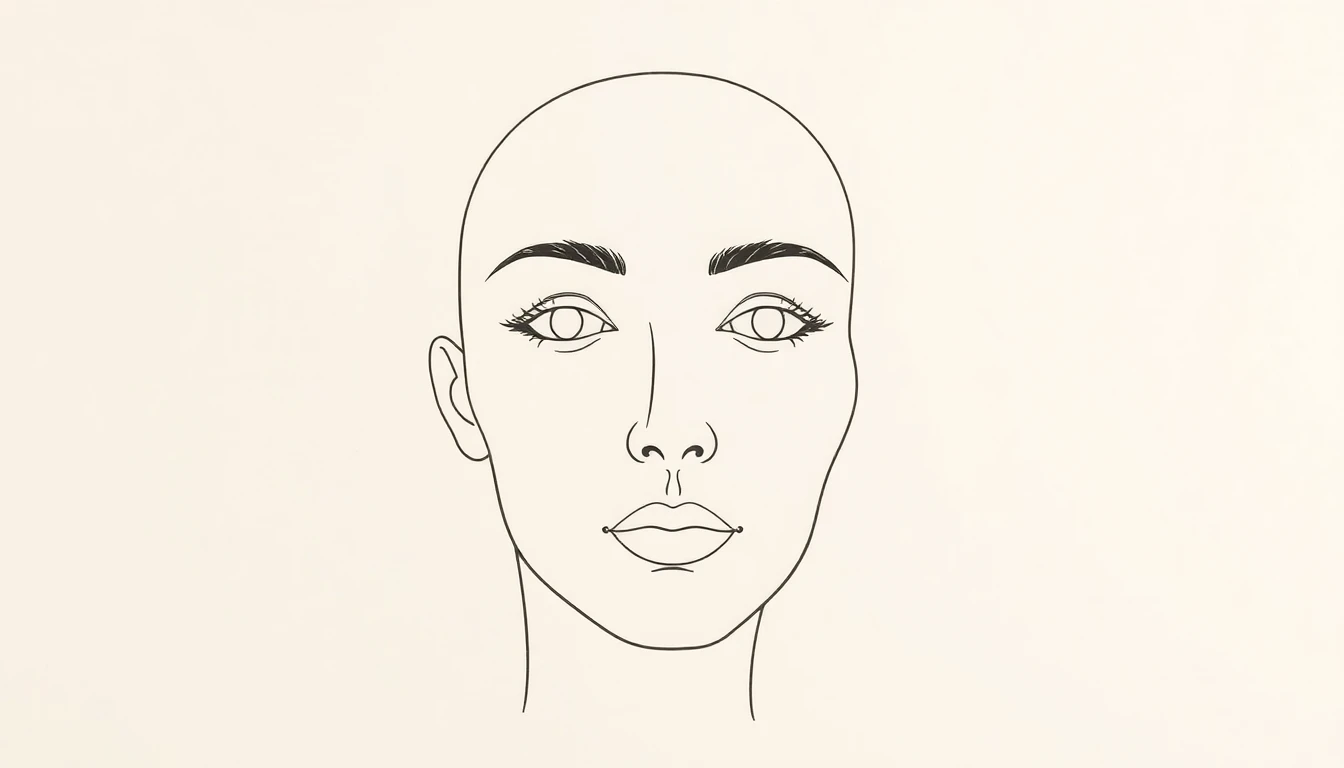
By the numbers — Brisbane
Numbers reflect this directory's coverage of Brisbane, QLD at build time. AHPRA-compliant illustration only — no patient depiction.
Clinics offering dermal fillers
Premium and verified clinics appear first, then everything else. Each card links to the clinic's full profile.
Fortitude Valley, Fortitude Valley QLD 4006
DeluxeYou Aesthetics is a non-surgical cosmetic practice located in Fortitude Valley. Details sourced from public listings and pending independent verification.

Greenslopes, Greenslopes QLD 4120
Sol Skin Clinics is a non-surgical cosmetic practice located in Greenslopes. Details sourced from public listings and pending independent verification.

Mooloolaba, Mooloolaba QLD 4557
Sculpted Aesthetics is a non-surgical cosmetic practice located in Mooloolaba. Details sourced from public listings and pending independent verification.

Milton, Milton QLD 4064
Define Clinic is a non-surgical cosmetic practice located in Milton. Details sourced from public listings and pending independent verification.

Brisbane City, Brisbane City QLD 4000
Cosmetic Image Clinics is a non-surgical cosmetic practice located in Brisbane City. Details sourced from public listings and pending independent verification.

Brisbane City, Brisbane City QLD 4000
Fresh Aesthetic Clinic is a non-surgical cosmetic practice located in Brisbane City. Details sourced from public listings and pending independent verification.

Holland Park West, Holland Park West QLD 4121
BeautyFULL Cosmetic Medical Clinic is a non-surgical cosmetic practice located in Holland Park West. Details sourced from public listings and pending independent verification.

Petrie Terrace, QLD 4000
The Manor Clinic is a non-surgical cosmetic practice located in Petrie Terrace. Details sourced from public listings and pending independent verification.

Teneriffe, Teneriffe QLD 4005
Beauty Boost Aesthetic Clinic is a non-surgical cosmetic practice located in Teneriffe. Details sourced from public listings and pending independent verification.

New Farm, New Farm QLD 4005
Ascension Cosmetic Medicine is a non-surgical cosmetic practice located in New Farm. Details sourced from public listings and pending independent verification.

Greenslopes, Greenslopes QLD 4120
Young One Clinic-Brisbane is a non-surgical cosmetic practice located in Greenslopes. Details sourced from public listings and pending independent verification.
Kangaroo Point, Kangaroo Point QLD 4169
Aesthetics On Point is a non-surgical cosmetic practice located in Kangaroo Point. Details sourced from public listings and pending independent verification.

Greenslopes, Greenslopes QLD 4120
Sonder Private Clinic Brisbane is a non-surgical cosmetic practice located in Greenslopes. Details sourced from public listings and pending independent verification.

Teneriffe, Teneriffe QLD 4005
Skin Confidence Teneriffe Boutique is a non-surgical cosmetic practice located in Teneriffe. Details sourced from public listings and pending independent verification.

Mooloolaba, Mooloolaba QLD 4557
La Maison De Aesthetics is a non-surgical cosmetic practice located in Mooloolaba. Details sourced from public listings and pending independent verification.

Teneriffe, Teneriffe QLD 4005
Peche Medispa is a non-surgical cosmetic practice located in Teneriffe. Details sourced from public listings and pending independent verification.

Hamilton, Hamilton QLD 4007
Brisbane HIFU Clinic is a non-surgical cosmetic practice located in Hamilton. Details sourced from public listings and pending independent verification.

Sunnybank Hills, Sunnybank Hills QLD 4109
Hair Transplant Australia is a non-surgical cosmetic practice located in Sunnybank Hills. Details sourced from public listings and pending independent verification.

East Brisbane, East Brisbane QLD 4169
The Functional Skin Studio is a non-surgical cosmetic practice located in East Brisbane. Details sourced from public listings and pending independent verification.

Wishart, Wishart QLD 4122
Crystal Cosmetic Clinic is a non-surgical cosmetic practice located in Wishart. Details sourced from public listings and pending independent verification.

Milton, Milton QLD 4064
Cosmetic Doctor Brisbane is a non-surgical cosmetic practice located in Milton. Details sourced from public listings and pending independent verification.

Coopers Plains, Coopers Plains QLD 4108
SKYE Cosmetic Clinic - Brisbane is a non-surgical cosmetic practice located in Coopers Plains. Details sourced from public listings and pending independent verification.

Mooloolaba, Mooloolaba QLD 4557
The Skin Bar Sunshine Coast is a non-surgical cosmetic practice located in Mooloolaba. Details sourced from public listings and pending independent verification.

Hawthorne, Hawthorne QLD 4170
LA.Body Clinic is a non-surgical cosmetic practice located in Hawthorne. Details sourced from public listings and pending independent verification.

West End, West End QLD 4810
Tyler Rose Aesthetics is a non-surgical cosmetic practice located in West End. Details sourced from public listings and pending independent verification.

West End, West End QLD 4810
Cosmetic Code Clinic is a non-surgical cosmetic practice located in West End. Details sourced from public listings and pending independent verification.

South Brisbane, South Brisbane QLD 4101
The Sharp Cosmetic Clinic Brisbane is a non-surgical cosmetic practice located in South Brisbane. Details sourced from public listings and pending independent verification.

Brisbane City, Brisbane City QLD 4000
Doll Face Brow and Makeup Studio is a non-surgical cosmetic practice located in Brisbane City. Details sourced from public listings and pending independent verification.

Spring Hill, Spring Hill QLD 4000
Hair and Skin Science Brisbane is a non-surgical cosmetic practice located in Spring Hill. Details sourced from public listings and pending independent verification.

Brisbane City, Brisbane City QLD 4000
LLC Cosmetic Laser Clinics Brisbane CBD is a non-surgical cosmetic practice located in Brisbane City. Details sourced from public listings and pending independent verification.

Brisbane City, Brisbane City QLD 4000
Simply Laser Skin Clinic is a non-surgical cosmetic practice located in Brisbane City. Details sourced from public listings and pending independent verification.

Springfield Central, Springfield Central QLD 4300
Brisbane Skin & Laser Clinics Springfield is a non-surgical cosmetic practice located in Springfield Central. Details sourced from public listings and pending independent verification.

Fortitude Valley, Fortitude Valley QLD 4006
Inigo Cosmetic is a non-surgical cosmetic practice located in Fortitude Valley. Details sourced from public listings and pending independent verification.

Brisbane City, Brisbane City QLD 4000
Skin Confidence Brisbane CBD is a non-surgical cosmetic practice located in Brisbane City. Details sourced from public listings and pending independent verification.

Brisbane City, Brisbane City QLD 4000
Medaco Medical Aesthetics is a non-surgical cosmetic practice located in Brisbane City. Details sourced from public listings and pending independent verification.

Teneriffe, Teneriffe QLD 4005
Alive Co. Skin & Sculpt is a non-surgical cosmetic practice located in Teneriffe. Details sourced from public listings and pending independent verification.

Bulimba, Bulimba QLD 4171
Skinthetics Cosmetic Clinic is a non-surgical cosmetic practice located in Bulimba. Details sourced from public listings and pending independent verification.

East Brisbane, East Brisbane QLD 4169
Cosmetic Nurses Australia - Brisbane Clinic is a non-surgical cosmetic practice located in East Brisbane. Details sourced from public listings and pending independent verification.

Hamilton, Hamilton QLD 4007
Hamilton Skin Clinic is a non-surgical cosmetic practice located in Hamilton. Details sourced from public listings and pending independent verification.

Bald Hills, Bald Hills QLD 4036
Derm Haus Brisbane is a non-surgical cosmetic practice located in Bald Hills. Details sourced from public listings and pending independent verification.

Fortitude Valley, Fortitude Valley QLD 4006
LA Lips® Cosmetic Clinic - Fortitude Valley is a non-surgical cosmetic practice located in Fortitude Valley. Details sourced from public listings and pending independent verification.

Spring Hill, Spring Hill QLD 4000
Queensland Skin and Laser | Skin Laser Treatments & Cosmetic Clinic Brisbane is a non-surgical cosmetic practice located in Spring Hill. Details sourced from public listings and pending independent verification.

Stones Corner, Stones Corner QLD 4120
Contour Clinics Brisbane is a non-surgical cosmetic practice located in Stones Corner. Details sourced from public listings and pending independent verification.

Spring Hill, Spring Hill QLD 4000
The Skin Lab is a non-surgical cosmetic practice located in Spring Hill. Details sourced from public listings and pending independent verification.

Wilston, Wilston QLD 4051
Advanced Dermatology is a non-surgical cosmetic practice located in Wilston. Details sourced from public listings and pending independent verification.

Biggera Waters, Biggera Waters QLD 4216
Lotus Skin Clinic and Cosmetic Centre is a non-surgical cosmetic practice located in Biggera Waters. Details sourced from public listings and pending independent verification.

Brisbane City, Brisbane City QLD 4000
Injex Clinics Brisbane CBD is a non-surgical cosmetic practice located in Brisbane City. Details sourced from public listings and pending independent verification.

Brisbane City, Brisbane City QLD 4000
Brisbane City Skin Clinic is a non-surgical cosmetic practice located in Brisbane City. Details sourced from public listings and pending independent verification.

Milton, Milton QLD 4064
Brisbane Dermatology Group is a dermatology cosmetic practice located in Milton. Details sourced from public listings and pending independent verification.

East Brisbane, East Brisbane QLD 4169
Brisbane Skin & Laser Clinics East Brisbane is a non-surgical cosmetic practice located in East Brisbane. Details sourced from public listings and pending independent verification.

West End, West End QLD 4101
Skin Partners is a dermatology cosmetic practice located in West End. Details sourced from public listings and pending independent verification.

Chermside, Chermside QLD 4032
Pearl MediSpa (SkinRevision) is a non-surgical cosmetic practice located in Chermside. Details sourced from public listings and pending independent verification.

Upper Mount Gravatt, Upper Mount Gravatt QLD 4122
Body Catalyst Mount Gravatt is a non-surgical cosmetic practice located in Upper Mount Gravatt. Details sourced from public listings and pending independent verification.

Brisbane City, Brisbane City QLD 4000
Australian Skin Clinics Brisbane CBD is a non-surgical cosmetic practice located in Brisbane City. Details sourced from public listings and pending independent verification.

Brisbane City, Brisbane City QLD 4000
Laser Clinics Australia - Queens Plaza is a non-surgical cosmetic practice located in Brisbane City. Details sourced from public listings and pending independent verification.

Spring Hill, Spring Hill QLD 4000
AH Cosmetic Clinic is a non-surgical cosmetic practice located in Spring Hill. Details sourced from public listings and pending independent verification.

Newstead, Newstead QLD 4006
Brisbane Skin Newstead is a dermatology cosmetic practice located in Newstead. Details sourced from public listings and pending independent verification.

Annerley, Annerley QLD 4103
Brisbane Cosmetic Clinic is a non-surgical cosmetic practice located in Annerley. Details sourced from public listings and pending independent verification.

Carina, Carina QLD 4152
ICE Sculpting Clinic is a non-surgical cosmetic practice located in Carina. Details sourced from public listings and pending independent verification.
Procedure guide
Dermal fillers are gel-based injectable products used to restore volume that has been lost through ageing, augment naturally less-volumised areas (lips, cheeks, chin, jawline), and smooth specific lines and folds. The vast majority of fillers used in Australia are hyaluronic-acid (HA) products — Juvederm, Restylane, Belotero and others — chosen because HA is naturally found in the skin, is reversible with hyaluronidase, and has a well-established safety profile when injected by trained practitioners.
After a medical consultation including review of medications, allergies, and goals, the injector marks the treatment areas, cleans the skin, and injects the filler at the appropriate tissue plane using either a sharp needle or a blunt-tip cannula (cannulas reduce the risk of vascular occlusion and bruising in many areas). Treatment time is typically 15–45 minutes. Some swelling and minor bruising are normal for 1–7 days. The result is immediately visible but settles over 2 weeks.
Adults seeking volume restoration, contour refinement or lip enhancement, with realistic expectations and no contraindications (pregnancy, breastfeeding, active skin infection in the area, certain autoimmune conditions, recent dental work). Patients with a history of severe filler-related complications elsewhere should disclose this. Patients with body dysmorphic disorder are not appropriate candidates.
Brisbane context
Brisbane is the third-largest cosmetic and plastic surgery market in Australia, anchored by long-established FRACS plastic surgery practices in Spring Hill, New Farm, and along the inner-west corridor. The Brisbane market is unique in being tightly integrated with the Gold Coast — many high-volume surgeons run consultation rooms in both cities and operate at the same private hospitals. Non-surgical injectable practice is concentrated in New Farm, James Street (Fortitude Valley), and Toowong, with newer clinics opening in growth-corridor suburbs like Bulimba and Wilston. South-east Queensland as a whole has been one of the fastest-growing cosmetic markets in Australia over the past five years, which has driven both opportunity and quality variability — the AHPRA cosmetic surgery framework matters particularly here.
Common surgical venues for cosmetic and plastic surgery in Brisbane include Brisbane Private Hospital (Spring Hill), St Andrew's War Memorial Hospital (Spring Hill), Wesley Hospital (Auchenflower), Greenslopes Private Hospital, and the North West Private Hospital. Several specialist plastic surgery practices operate dedicated, ACHS-accredited day-surgery suites in Spring Hill and New Farm. Surgeons operating at Wesley or Greenslopes typically also have public hospital appointments (Royal Brisbane and Women's, Princess Alexandra), which is a useful safety net for revision or complication management.
Brisbane attracts patients from regional Queensland, northern NSW (particularly Tweed and Byron), and the Northern Territory, and a smaller volume from Sydney and Melbourne for surgeon-specific reasons. Pricing for surgical procedures is broadly comparable to Sydney and Melbourne; non-surgical procedures tend to be slightly cheaper. Many south-east-Queensland practices structure their interstate-patient pathway around the Gold Coast for the recovery stay (warmer climate, beach proximity, more medical-stay accommodation) while the surgical procedure itself is performed in Brisbane.
Brisbane Airport is 20 minutes from the inner-city clinic clusters in light traffic. Spring Hill and New Farm are walkable from the CBD; Toowong and Indooroopilly are best reached by car or by the Inner Northern Busway and Ipswich rail line. On-site parking is the norm in most Brisbane practices. The summer humidity (December–March) is worth factoring into recovery planning for surgical procedures — heat and sweating can complicate dressings and incision care.
Cost factors
Single-syringe lip filler typically $400–$700 in Australia. Cheek augmentation: $1,200–$2,500 (often 2 syringes). Full-face liquid rejuvenation: $3,000–$5,000+ over multiple syringes. Pricing is by syringe and varies with the product and the practitioner's experience. Be cautious of clinics offering pricing far below market — these often use lower-grade products, cut consultation time, or under-prescribe.
Itemised view of where the $400 – $5,000 typically goes. Quoted prices vary by surgeon experience, hospital, and case complexity — these shares are indicative.
| Component | Typical share | Indicative range |
|---|---|---|
| Practitioner fee | 60% | $250 – $3,000 |
| Product cost | 30% | $100 – $1,500 |
| Consultation and follow-up | 8% | $50 – $400 |
| Clinic operating cost | 2% | $0 – $100 |
| Total | 100% | $400 – $5,000 |
Source: editorial estimates based on Australian Medical Association advisory notes and publicly disclosed clinic schedules. Actual quotes will vary; ask your surgeon for an itemised written quote before paying any deposit.
A typical recovery curve. Individual recovery varies — confirm specific milestones with your surgeon's post-operative plan.
Day 0
Procedure day.
Day 0
Early recovery.
Day 1
Halfway point.
Day 1
End of standard recovery window.
Day 2
Final result and return to all activities.
Recovery + practitioner
Minimal downtime. Mild swelling and bruising for 1–7 days. Avoid strenuous exercise, alcohol, and very hot environments for 24 hours. Avoid massaging or pressing on the treated area for two weeks. Final result settles at two weeks.
Confirm AHPRA registration of both the prescriber and the injector. Ask about hyaluronidase availability and training in vascular-event management. Ask to see the practitioner's own results, ideally including 'before' and 'two weeks after' photos rather than 'immediately after' (which always look fuller from swelling). Look for a practice that does not use price as its primary marketing message.
How the most-discussed risks for dermal fillers sit on a frequency-by-severity grid. All cosmetic procedures carry risk; the goal of this view is to help you ask better consent questions, not to dismiss any single complication as unlikely.
| Frequency \\ Severity | Mild | Moderate | Serious |
|---|---|---|---|
| Common |
| — | — |
| Uncommon | — |
| — |
| Rare | — | — |
|
Frequency and severity classifications are editorial summaries based on Australian Society of Plastic Surgeons consent literature and TGA / AHPRA guidance. Your surgeon should explain each risk individually as part of the formal informed-consent process — this matrix is a starting point for the conversation, not a substitute.
FAQ
Most hyaluronic-acid fillers last 6–18 months depending on the product, the area injected, and individual metabolism. Lip fillers typically last 6–9 months; cheek fillers 12–18 months. Permanent or semi-permanent fillers (silicone, calcium hydroxylapatite) are not appropriate for most cosmetic indications and carry materially higher complication rates.
Vascular occlusion — accidental injection into an artery — can cause skin necrosis or, in rare cases involving the supraorbital or angular vessels, permanent vision loss. The risk is mitigated by injector technique (aspiration, slow injection, low pressure), facial-anatomy training, and on-site availability of hyaluronidase to dissolve product if a vascular event is suspected. Confirm your injector has hyaluronidase available and knows how to use it.
Fillers (Schedule 4 prescription products) require prescription by an Australian medical practitioner or nurse practitioner. They can be administered by registered nurses, doctors, or medical practitioners working under appropriate prescription. Beauty therapists cannot legally inject fillers. Always confirm AHPRA registration of both the prescriber and the injector.
Hyaluronidase dissolves HA fillers and is used either to manage complications (vascular event, lumps, dissatisfaction) or to reset over-treated faces. Many practitioners and patients are increasingly using dissolving as a corrective tool for over-filled appearances. Most clinics offer dissolving as a separate service.
From October 2024, AHPRA tightened guidelines so that cosmetic injectable procedures on patients under 18 should generally not be performed except for clear clinical indications (cleft lip and palate, severe scarring, etc.). Reputable Australian practices do not perform cosmetic injectables on minors.
Compare nearby
Free · direct to clinic · no broker · AHPRA-verified