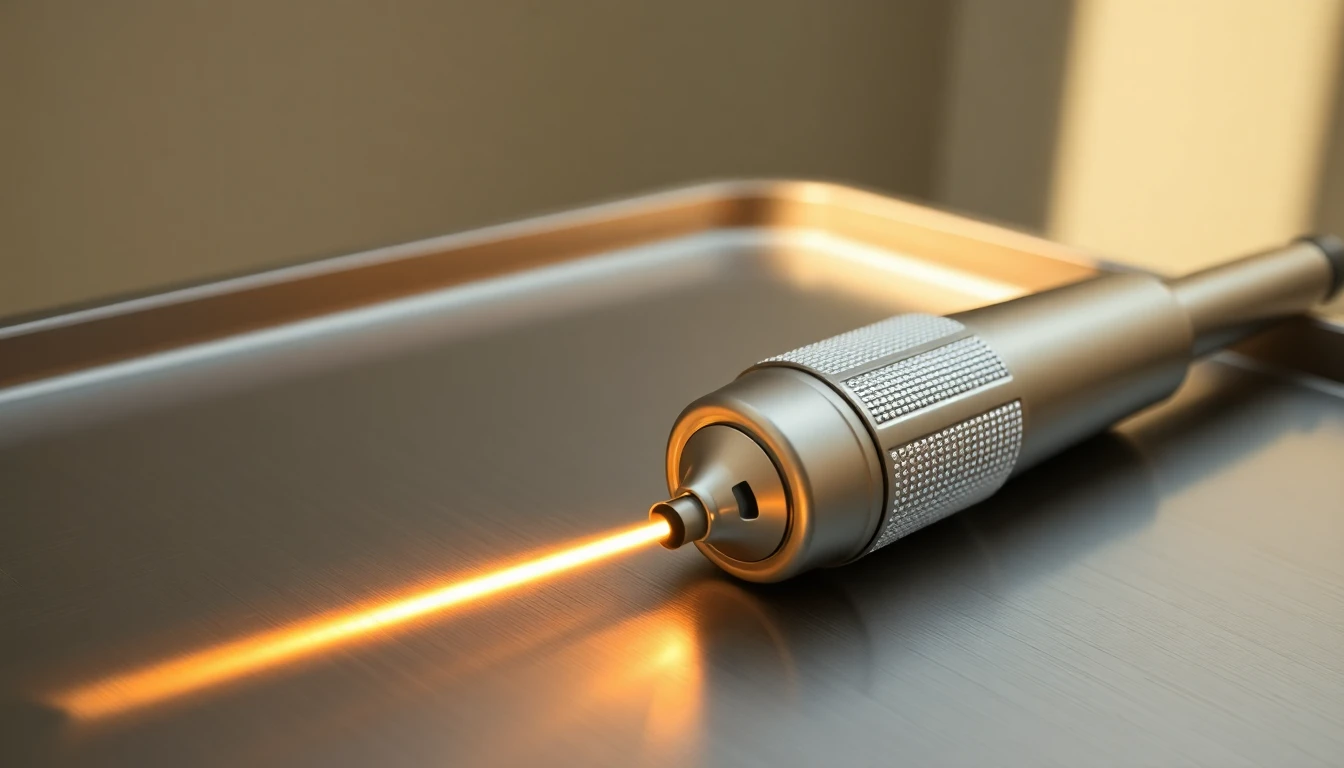
Laser resurfacing uses light energy to remove damaged outer layers of skin and stimulate collagen production. The two main categories are ablative (CO₂, Er:YAG) which vaporise tissue and produce more dramatic results with significant downtime, and non-ablative (fractional, low-energy) which preserve the skin surface and require more sessions for similar benefit. Regulated under the relevant TGA and state health-services rules.
Brisbane Skin & Laser Clinics Springfield is a non-surgical cosmetic practice located in Springfield Central. Details sourced from public listings and pending independent verification.
Australian Skin Clinics Brisbane CBD is a non-surgical cosmetic practice located in Brisbane City. Details sourced from public listings and pending independent verification.
Laser Clinics Australia - Queens Plaza is a non-surgical cosmetic practice located in Brisbane City. Details sourced from public listings and pending independent verification.
BeautyFULL Cosmetic Medical Clinic is a non-surgical cosmetic practice located in Holland Park West. Details sourced from public listings and pending independent verification.
The Manor Clinic is a non-surgical cosmetic practice located in Petrie Terrace. Details sourced from public listings and pending independent verification.
Beauty Boost Aesthetic Clinic is a non-surgical cosmetic practice located in Teneriffe. Details sourced from public listings and pending independent verification.
DeluxeYou Aesthetics is a non-surgical cosmetic practice located in Fortitude Valley. Details sourced from public listings and pending independent verification.
Ascension Cosmetic Medicine is a non-surgical cosmetic practice located in New Farm. Details sourced from public listings and pending independent verification.
Young One Clinic-Brisbane is a non-surgical cosmetic practice located in Greenslopes. Details sourced from public listings and pending independent verification.
Aesthetics On Point is a non-surgical cosmetic practice located in Kangaroo Point. Details sourced from public listings and pending independent verification.
Sol Skin Clinics is a non-surgical cosmetic practice located in Greenslopes. Details sourced from public listings and pending independent verification.
Sonder Private Clinic Brisbane is a non-surgical cosmetic practice located in Greenslopes. Details sourced from public listings and pending independent verification.
Skin Confidence Teneriffe Boutique is a non-surgical cosmetic practice located in Teneriffe. Details sourced from public listings and pending independent verification.
Sculpted Aesthetics is a non-surgical cosmetic practice located in Mooloolaba. Details sourced from public listings and pending independent verification.
La Maison De Aesthetics is a non-surgical cosmetic practice located in Mooloolaba. Details sourced from public listings and pending independent verification.
Brisbane HIFU Clinic is a non-surgical cosmetic practice located in Hamilton. Details sourced from public listings and pending independent verification.
Hair Transplant Australia is a non-surgical cosmetic practice located in Sunnybank Hills. Details sourced from public listings and pending independent verification.
The Functional Skin Studio is a non-surgical cosmetic practice located in East Brisbane. Details sourced from public listings and pending independent verification.
Crystal Cosmetic Clinic is a non-surgical cosmetic practice located in Wishart. Details sourced from public listings and pending independent verification.
Cosmetic Doctor Brisbane is a non-surgical cosmetic practice located in Milton. Details sourced from public listings and pending independent verification.
SKYE Cosmetic Clinic - Brisbane is a non-surgical cosmetic practice located in Coopers Plains. Details sourced from public listings and pending independent verification.
The Skin Bar Sunshine Coast is a non-surgical cosmetic practice located in Mooloolaba. Details sourced from public listings and pending independent verification.
Tyler Rose Aesthetics is a non-surgical cosmetic practice located in West End. Details sourced from public listings and pending independent verification.
Cosmetic Code Clinic is a non-surgical cosmetic practice located in West End. Details sourced from public listings and pending independent verification.
The Sharp Cosmetic Clinic Brisbane is a non-surgical cosmetic practice located in South Brisbane. Details sourced from public listings and pending independent verification.
Doll Face Brow and Makeup Studio is a non-surgical cosmetic practice located in Brisbane City. Details sourced from public listings and pending independent verification.
Hair and Skin Science Brisbane is a non-surgical cosmetic practice located in Spring Hill. Details sourced from public listings and pending independent verification.
LLC Cosmetic Laser Clinics Brisbane CBD is a non-surgical cosmetic practice located in Brisbane City. Details sourced from public listings and pending independent verification.
Simply Laser Skin Clinic is a non-surgical cosmetic practice located in Brisbane City. Details sourced from public listings and pending independent verification.
Inigo Cosmetic is a non-surgical cosmetic practice located in Fortitude Valley. Details sourced from public listings and pending independent verification.
Skin Confidence Brisbane CBD is a non-surgical cosmetic practice located in Brisbane City. Details sourced from public listings and pending independent verification.
Medaco Medical Aesthetics is a non-surgical cosmetic practice located in Brisbane City. Details sourced from public listings and pending independent verification.
Alive Co. Skin & Sculpt is a non-surgical cosmetic practice located in Teneriffe. Details sourced from public listings and pending independent verification.
Skinthetics Cosmetic Clinic is a non-surgical cosmetic practice located in Bulimba. Details sourced from public listings and pending independent verification.
Cosmetic Nurses Australia - Brisbane Clinic is a non-surgical cosmetic practice located in East Brisbane. Details sourced from public listings and pending independent verification.
Hamilton Skin Clinic is a non-surgical cosmetic practice located in Hamilton. Details sourced from public listings and pending independent verification.
Derm Haus Brisbane is a non-surgical cosmetic practice located in Bald Hills. Details sourced from public listings and pending independent verification.
LA Lips® Cosmetic Clinic - Fortitude Valley is a non-surgical cosmetic practice located in Fortitude Valley. Details sourced from public listings and pending independent verification.
Queensland Skin and Laser | Skin Laser Treatments & Cosmetic Clinic Brisbane is a non-surgical cosmetic practice located in Spring Hill. Details sourced from public listings and pending independent verification.
Contour Clinics Brisbane is a non-surgical cosmetic practice located in Stones Corner. Details sourced from public listings and pending independent verification.
Advanced Dermatology is a non-surgical cosmetic practice located in Wilston. Details sourced from public listings and pending independent verification.
Lotus Skin Clinic and Cosmetic Centre is a non-surgical cosmetic practice located in Biggera Waters. Details sourced from public listings and pending independent verification.
Injex Clinics Brisbane CBD is a non-surgical cosmetic practice located in Brisbane City. Details sourced from public listings and pending independent verification.
Brisbane City Skin Clinic is a non-surgical cosmetic practice located in Brisbane City. Details sourced from public listings and pending independent verification.
Brisbane Dermatology Group is a dermatology cosmetic practice located in Milton. Details sourced from public listings and pending independent verification.
Brisbane Skin & Laser Clinics East Brisbane is a non-surgical cosmetic practice located in East Brisbane. Details sourced from public listings and pending independent verification.
Cosmetic Image Clinics is a non-surgical cosmetic practice located in Brisbane City. Details sourced from public listings and pending independent verification.
Pearl MediSpa (SkinRevision) is a non-surgical cosmetic practice located in Chermside. Details sourced from public listings and pending independent verification.
Fresh Aesthetic Clinic is a non-surgical cosmetic practice located in Brisbane City. Details sourced from public listings and pending independent verification.
Body Catalyst Mount Gravatt is a non-surgical cosmetic practice located in Upper Mount Gravatt. Details sourced from public listings and pending independent verification.
AH Cosmetic Clinic is a non-surgical cosmetic practice located in Spring Hill. Details sourced from public listings and pending independent verification.
Brisbane Skin Newstead is a dermatology cosmetic practice located in Newstead. Details sourced from public listings and pending independent verification.
Brisbane Cosmetic Clinic is a non-surgical cosmetic practice located in Annerley. Details sourced from public listings and pending independent verification.
Laser resurfacing uses light energy at specific wavelengths to remove damaged outer skin and trigger neocollagenesis. Modern devices are predominantly fractional, treating the skin in microscopic columns to balance result and recovery. Indications include sun damage, fine and moderate lines, photoageing, acne scarring, dyschromia, and overall skin-quality refinement.
How laser resurfacing works
Topical or local anaesthetic is applied (or rarely general anaesthetic for full-face deep resurfacing). The device is calibrated to the chosen treatment depth and pattern, and passed over the skin at programmed energy. Treatment time: 20–60 minutes depending on area. Skin is cooled and a barrier ointment applied. Recovery is governed by treatment depth.
Who is laser resurfacing for?
Patients with sun damage, photoaged skin, fine to moderate lines, or acne scarring, and realistic expectations. Skin types IV–VI require careful selection — non-ablative or conservative fractional ablative is preferred. Pregnant or breastfeeding patients should defer treatment. Patients on isotretinoin should generally wait 6 months after stopping. Patients with melasma may worsen with aggressive treatment.
Brisbane context
Laser resurfacing in Brisbane: market context
Brisbane is the third-largest cosmetic and plastic surgery market in Australia, anchored by long-established FRACS plastic surgery practices in Spring Hill, New Farm, and along the inner-west corridor. The Brisbane market is unique in being tightly integrated with the Gold Coast — many high-volume surgeons run consultation rooms in both cities and operate at the same private hospitals. Non-surgical injectable practice is concentrated in New Farm, James Street (Fortitude Valley), and Toowong, with newer clinics opening in growth-corridor suburbs like Bulimba and Wilston. South-east Queensland as a whole has been one of the fastest-growing cosmetic markets in Australia over the past five years, which has driven both opportunity and quality variability — the AHPRA cosmetic surgery framework matters particularly here.
Where surgery is performed in Brisbane
Common surgical venues for cosmetic and plastic surgery in Brisbane include Brisbane Private Hospital (Spring Hill), St Andrew's War Memorial Hospital (Spring Hill), Wesley Hospital (Auchenflower), Greenslopes Private Hospital, and the North West Private Hospital. Several specialist plastic surgery practices operate dedicated, ACHS-accredited day-surgery suites in Spring Hill and New Farm. Surgeons operating at Wesley or Greenslopes typically also have public hospital appointments (Royal Brisbane and Women's, Princess Alexandra), which is a useful safety net for revision or complication management.
Travel and access
Brisbane attracts patients from regional Queensland, northern NSW (particularly Tweed and Byron), and the Northern Territory, and a smaller volume from Sydney and Melbourne for surgeon-specific reasons. Pricing for surgical procedures is broadly comparable to Sydney and Melbourne; non-surgical procedures tend to be slightly cheaper. Many south-east-Queensland practices structure their interstate-patient pathway around the Gold Coast for the recovery stay (warmer climate, beach proximity, more medical-stay accommodation) while the surgical procedure itself is performed in Brisbane.
Practical notes for recovery in Brisbane
Brisbane Airport is 20 minutes from the inner-city clinic clusters in light traffic. Spring Hill and New Farm are walkable from the CBD; Toowong and Indooroopilly are best reached by car or by the Inner Northern Busway and Ipswich rail line. On-site parking is the norm in most Brisbane practices. The summer humidity (December–March) is worth factoring into recovery planning for surgical procedures — heat and sweating can complicate dressings and incision care.
Cost factors
What drives the cost of laser resurfacing
Single-session non-ablative fractional: $500–$1,200. Series of 4–6 non-ablative: $2,000–$5,000. Single-session fractional ablative (CO₂): $1,500–$4,000. Full-field ablative: $3,000–$8,000+. Quotes should specify the exact device, energy levels, and number of passes.
What laser resurfacing costs in Brisbane
Itemised view of where the $500 – $4,000 typically goes. Quoted prices vary by surgeon
experience, hospital, and case complexity — these shares are indicative.
Component
Typical share
Indicative range
What drives it
Practitioner fee
60%
$300 – $2,400
Driven by practitioner experience and the complexity of the area treated.
Product cost
30%
$150 – $1,200
Per-unit cost of the active substance (e.g. units of toxin, mL of filler).
Consultation and follow-up
8%
$50 – $300
Initial consultation and 2-week review typically included.
Clinic operating cost
2%
$0 – $100
Sterilisation, supplies, and overhead.
Total
100%
$500 – $4,000
Source: editorial estimates based on Australian Medical Association advisory notes and
publicly disclosed clinic schedules. Actual quotes will vary; ask your surgeon for an
itemised written quote before paying any deposit.
Laser resurfacing recovery timeline (Brisbane)
A typical recovery curve. Individual recovery varies — confirm specific milestones
with your surgeon's post-operative plan.
Day 0
Procedure day.
Work OK No exercise
Day 2
Early recovery.
Work OK No exercise
Day 4
Halfway point.
Desk work OK Light only
Day 7
End of standard recovery window.
Work OK Light only
Day 14
Final result and return to all activities.
Work OK Normal
Recovery + practitioner
Recovery and downtime
Non-ablative: redness for hours to a few days, occasional 'sandpaper' texture. Fractional ablative: redness 5–10 days, visible peeling 5–7 days, ongoing redness 4–8 weeks. Full-field ablative: significant downtime 10–14 days, redness for months, strict sun avoidance for 6+ months.
Choosing a practitioner in Brisbane
Match the device and depth to the practitioner's training. Specialist Dermatologists are the gold standard for medium-deep resurfacing. Ask about which device they use (CO₂, Er:YAG, 1540nm, picosecond, etc.), the device's TGA registration, and the operator's training. Ask to see the practitioner's own results.
Before you book
Confirm the specific device and its TGA registration
Confirm operator training and AHPRA registration where applicable
Disclose isotretinoin use, herpes history, and pregnancy status
Plan for the appropriate downtime — don't book before a major event
Commit to strict daily SPF 50+ for 3–6 months post-treatment
Discuss skin-type-specific risks if you have skin types IV–VI
Red flags
Aggressive ablative resurfacing offered without medical specialist involvement
No discussion of skin-type-specific risk for darker skin
How the most-discussed risks for laser resurfacing sit on a frequency-by-severity grid.
All cosmetic procedures carry risk; the goal of this view is to help you ask better
consent questions, not to dismiss any single complication as unlikely.
Frequency \\ Severity
Mild
Moderate
Serious
Common
Erythema (redness) for days to months depending on depth
Persistent redness for months
—
—
Uncommon
—
Crusting and visible peeling
Post-inflammatory hyperpigmentation, especially in skin types IV–VI
Hypopigmentation (long-term lightening), particularly with full-field ablative
Scarring (rare but real with ablative resurfacing)
Inadequate result if energy or depth is too conservative
—
Rare
—
—
Infection, including herpes reactivation
Frequency and severity classifications are editorial summaries based on Australian
Society of Plastic Surgeons consent literature and TGA / AHPRA guidance. Your surgeon
should explain each risk individually as part of the formal informed-consent process —
this matrix is a starting point for the conversation, not a substitute.
FAQ
Common questions about laser resurfacing in Brisbane
Ablative vs non-ablative — what's the difference?+
Ablative lasers (CO₂, Er:YAG) vaporise the upper layers of skin. Fractional ablative leaves intact skin between treatment columns to speed healing. Non-ablative lasers (1540nm, 1565nm, picosecond) deliver energy beneath an intact skin surface — less downtime, more sessions, more conservative result. The right choice depends on the severity of the concern, skin type, and acceptable downtime.
How does fractional treatment work?+
Fractional lasers deliver energy in microscopic columns rather than treating the full surface. The intact skin between columns acts as a healing reservoir, dramatically reducing downtime compared to traditional 'full-field' resurfacing. Most modern resurfacing in Australia is fractional.
Will it work for acne scars?+
Fractional ablative resurfacing (CO₂, Er:YAG) is the strongest single intervention for atrophic acne scarring, often in combination with subcision and chemical reconstruction (TCA-CROSS). Most patients see meaningful improvement after 1–3 sessions but should not expect total resolution. Boxcar and ice-pick scars respond differently.
How many sessions?+
Single-session ablative resurfacing produces visible results immediately (after recovery) but may benefit from a second session 6–12 months later. Non-ablative resurfacing typically requires 4–6 sessions a month apart. Maintenance treatments may be appropriate yearly.
Who should perform laser resurfacing?+
Ablative resurfacing should be performed by a Specialist Dermatologist or appropriately trained Specialist Plastic Surgeon. Non-ablative treatment can be performed by registered nurses and dermal therapists working under appropriate supervision. Always confirm AHPRA registration where applicable, the device's TGA registration, and the operator's training.